Wildlife & Travel
Birdwatching in Chitwan for Beginners: A Complete Guide to Nepal’s Incredible Birdlife
Discover the colourful birds, quiet wetlands, riverbanks and forest trails of Chitwan with this beginner-friendly guide to birdwatching in Nepal.
Himal Shahi Thakuri · Oct 29, 2026 · 21 min read
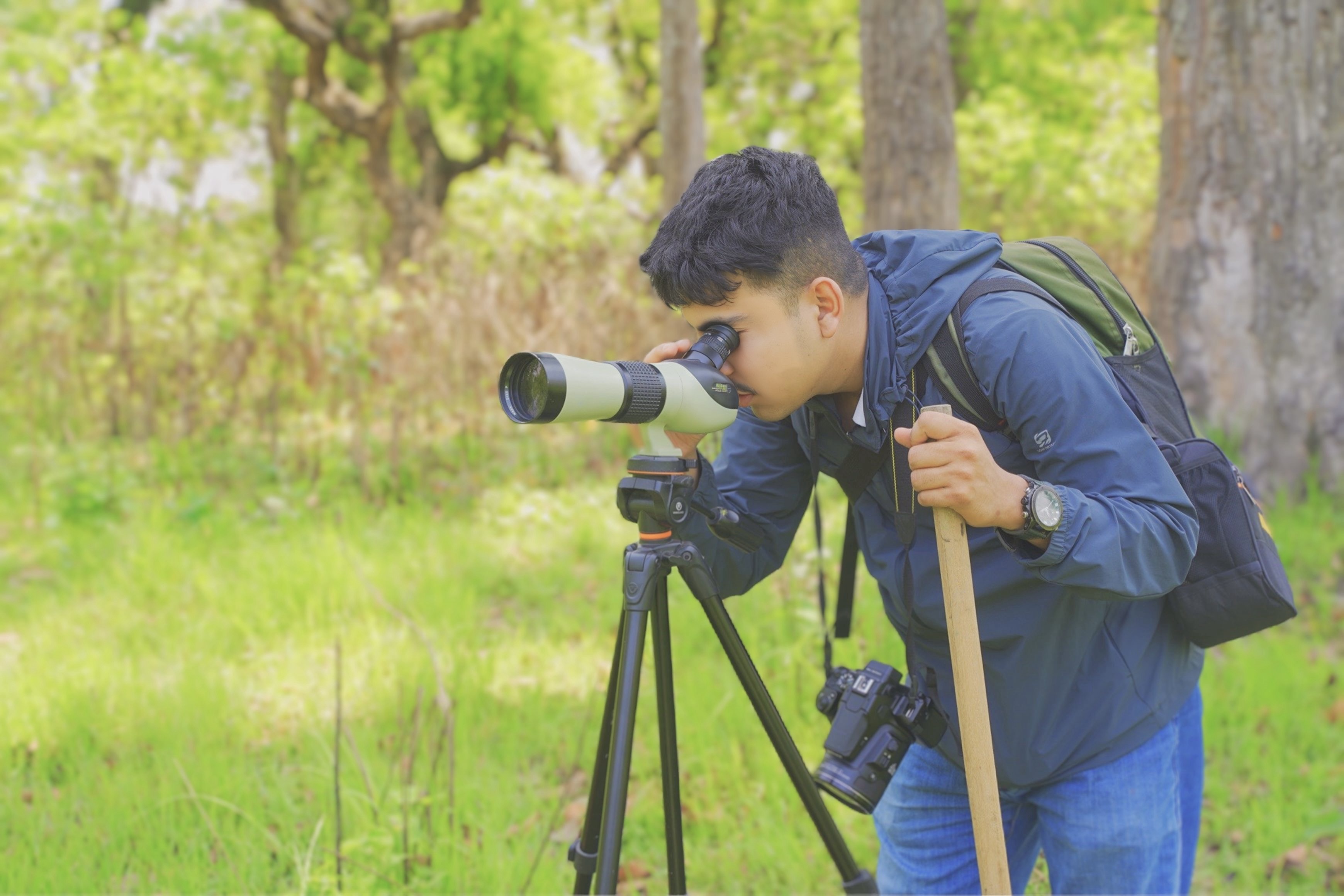
The wetlands, rivers and forests of Chitwan provide remarkable opportunities to observe Nepal’s diverse birdlife.
Birdwatching in Chitwan for Beginners
There is a special kind of quiet that can only be found in nature. It is the moment before the forest fully wakes, when mist hangs above the river, leaves move gently in the morning breeze, and unfamiliar calls travel through the trees. Somewhere nearby, a kingfisher may be waiting above the water, a drongo may be searching for insects, or a hornbill may be moving between branches high in the canopy.
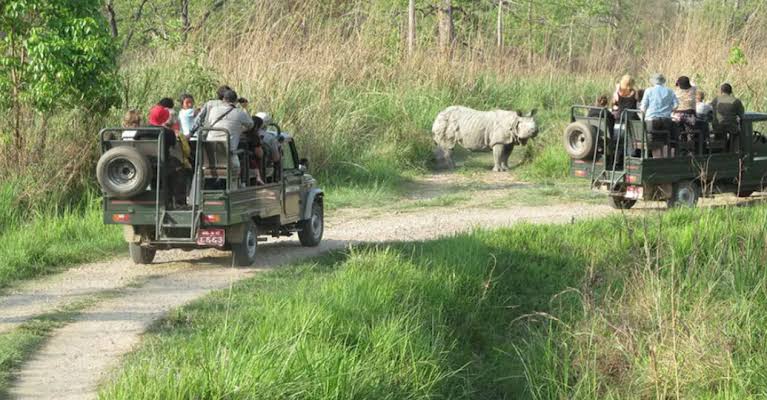
For many visitors, Chitwan is famous for its one-horned rhinoceroses, Bengal tigers, elephants and jungle safaris. Yet another world exists above the grasslands and along the riverbanks: the extraordinary world of birds.
Birdwatching in Chitwan offers an opportunity to discover this quieter side of Nepal. You do not need to be an expert, own expensive binoculars or know the names of hundreds of species. All you need is curiosity, patience and a willingness to notice the small details that are often overlooked.
Whether you are visiting Nepal for the first time, staying in Sauraha, exploring the countryside around the Rapti River, or simply hoping to understand the natural world a little better, Chitwan is an excellent place to begin.
This guide explains where to look for birds, which species you might encounter, when to go, what to bring and how to enjoy birdwatching responsibly.
1. Why Chitwan Is a Wonderful Place for Birdwatching
Chitwan lies in Nepal’s subtropical lowlands, where rivers, forests, grasslands, agricultural land and wetlands create a variety of habitats within a relatively small geographical area.
Each habitat attracts different birds. Open grasslands provide feeding grounds for certain grassland species, while riverbanks support kingfishers, herons and other water-associated birds. Forests offer shelter to woodpeckers, barbets, owls and many smaller birds. Wetlands attract ducks, storks, egrets and other species that depend on shallow water and aquatic food sources.
The wider Chitwan landscape is especially important because it combines these habitats rather than consisting of a single type of environment.
Chitwan National Park, a UNESCO World Heritage Site, protects a significant area of the Terai's natural ecosystems. The surrounding buffer zone and community-managed landscapes also contribute to the wider ecological network.
For a beginner, this diversity makes every outing an opportunity to discover something new. One morning might be spent watching birds skim across a river. Another might reveal a colourful bird sitting motionless in a tree or a flock moving across an open field.
Birdwatching is not simply about finding rare species. It is about learning how living things interact with their surroundings.
2. Understanding Chitwan's Different Bird Habitats
Before trying to identify individual species, it helps to understand where birds live and feed. Habitat is one of the most useful clues when identifying an unfamiliar bird.
Riverbanks and sandy shores
The Rapti and Narayani river systems support a range of birds associated with flowing water, exposed banks and nearby vegetation.
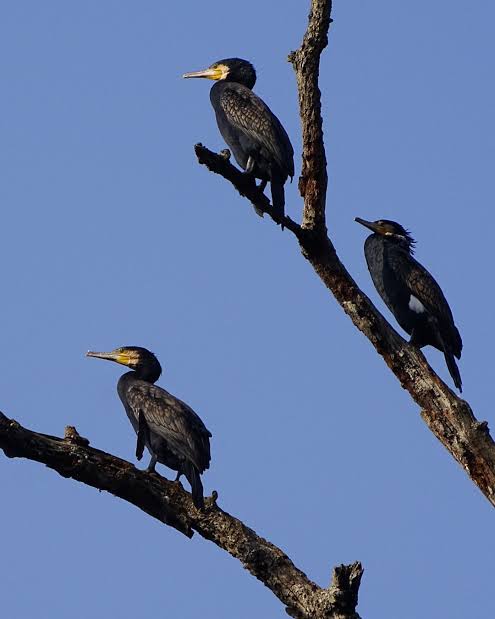
Look carefully at branches extending over the water. Kingfishers may sit quietly before diving for fish, while cormorants may rest with their wings spread. Egrets and herons often search for food in shallow water, moving slowly as they watch for fish or other small animals.
Exposed sandbanks can also attract waders, gulls and terns, depending on the location, water levels and season.
Early morning is particularly rewarding because bird activity can be high and the softer light makes observation easier.
Wetlands and ponds
Wetlands are among the most productive places for birdwatching. Their shallow water, aquatic plants, muddy edges and surrounding vegetation provide food and shelter for many species.
Look for jacanas walking across floating vegetation, egrets feeding in the shallows and ducks resting in open water. Depending on the season, you may also encounter migratory waterbirds.
Do not overlook the edges of a wetland. Small birds often hide among reeds and grasses, while larger birds may stand completely still, making them surprisingly easy to miss.
Grasslands and open fields
Chitwan's grasslands are important habitats for birds that feed or nest close to the ground.
Watch for birds perched on tall grasses, fence posts or exposed branches. Some species make short flights to catch insects and return to the same perch. Others move quietly through vegetation and are detected first by their calls.
Grasslands can be particularly interesting because the birds may be harder to see than those around open water. Learning to listen is therefore just as important as learning to look.
Sal forests and woodland
The forests of Chitwan provide shelter, nesting sites and feeding opportunities for many woodland species.
Look for movement in the middle and upper parts of trees. Woodpeckers may climb tree trunks, barbets may call from the canopy, and drongos may wait on exposed branches before catching insects in flight.
Forest birdwatching rewards patience. Instead of walking quickly from one place to another, pause in a suitable spot and scan the branches slowly. Birds that initially seem absent may gradually become visible as you learn to recognise their movements and calls.
Farmland and village surroundings
Birdwatching does not always require a visit to a national park. Fields, gardens, roadside trees and village ponds can support an interesting variety of familiar and less familiar species.
Bulbuls, mynas, sparrows, doves and other adaptable birds may be found around settlements. Agricultural areas can also attract raptors and other birds searching for food.
These accessible places are ideal for beginners who want to practise identification before exploring more challenging forest habitats.
3. Birds to Look for on Your First Chitwan Birdwatching Trip
You do not need to memorise a long checklist before heading outdoors. Start with a few recognisable groups and gradually learn to distinguish similar species.
Indian peafowl
The Indian peafowl is one of the most recognisable birds of the South Asian landscape. Males have striking plumage and an elaborate train, while females are generally less colourful.
In suitable areas around Chitwan, you may encounter peafowl near woodland edges, open ground and grassland. Their size and distinctive appearance make them a useful starting point for new birdwatchers.
Observe their behaviour as well as their colours. Notice how they walk, forage and respond to movement around them.
Common kingfishers and other kingfishers
Kingfishers are among the birds many visitors hope to see near Chitwan's rivers and wetlands. Depending on the habitat, you may encounter different species, including the small common kingfisher and the larger white-throated kingfisher.
The common kingfisher is compact, with vivid blue and orange colouring. The white-throated kingfisher is larger and has a prominent red bill, chestnut-coloured body and bright blue wings.
A useful identification clue is where the bird is sitting and how it behaves. A bird watching the water from a low branch may be hunting fish, while a larger kingfisher can also catch insects and other small prey away from the water.
Asian openbill
The Asian openbill is a large stork that may be encountered in wetlands, marshes and agricultural landscapes.
Its pale body, long legs and distinctive bill make it easier to recognise than many smaller species. It often feeds in shallow water or wet fields, where it searches for aquatic animals, including snails.
When observing storks, notice their feeding habitat and the shape of their bills. Bill shape often offers important clues about the food a bird eats.
Little egret
The little egret is a graceful white waterbird often seen walking through shallow water while searching for prey.
Look for its slender body, long dark legs and narrow bill. Egrets sometimes stand motionless before making a sudden movement to catch food.
Because several egret species can look similar, avoid relying on colour alone. Size, bill shape, leg colour, facial features and behaviour may all help with identification.
Cormorants
Cormorants are waterbirds adapted for catching fish underwater. They are often seen swimming, diving or resting near rivers and lakes.
A cormorant may sit on an exposed branch or riverbank after feeding, sometimes holding its wings open. Its long body and hooked bill help distinguish it from many other waterbirds.
Try observing how long the bird remains underwater and where it resurfaces. Behaviour can be an excellent way to understand a species.
Indian roller
The Indian roller is known for its striking blue colouring, especially visible during flight.
It is often found in open country, agricultural landscapes and areas with scattered trees. A bird perched on a wire or exposed branch may be watching for insects and other small prey.
For photographers, the Indian roller can be a rewarding subject because its colours become particularly noticeable when it takes flight.
Greater racket-tailed drongo
Drongos are active birds that often catch insects in flight. The greater racket-tailed drongo is particularly distinctive because of its long tail feathers ending in racket-shaped tips.
It is associated with woodland habitats and can be recognised by its dark plumage, long tail and lively behaviour.
Learning to identify drongos also introduces beginners to an important lesson: birds are not always identified by colour. Shape, flight style, tail structure and calls can be equally important.
Great hornbill
The great hornbill is an impressive forest bird, recognised by its large size, powerful bill and prominent casque above the bill.
It is associated with extensive forest habitats and is an exciting species to search for in suitable areas. However, sightings are never guaranteed, and its presence should not be assumed at every birdwatching location in Chitwan.
If you are fortunate enough to see one, observe from a respectful distance. Avoid chasing it between trees or using repeated playback calls to attract it.
Lesser adjutant
The lesser adjutant is a large stork associated with wetlands, marshes and other suitable lowland habitats.
Its tall body, long legs and large bill make it an impressive bird to observe. Like other large waterbirds, it may remain still for long periods while searching for food.
Seeing a large species is exciting, but remember that smaller birds may be just as ecologically important. A careful observer learns to appreciate the entire bird community.
Other birds worth noticing
Depending on your location, season and luck, you may also encounter bee-eaters, parakeets, woodpeckers, bulbuls, barbets, eagles, kites, wagtails, warblers and other species.
The exact birds present can change with weather, water levels, habitat conditions and seasonal migration. Treat every checklist as a starting point rather than a promise.
For accurate identification, use a current field guide or a reputable bird-recording resource, and verify unfamiliar sightings before adding rare species to your list.
4. When Is the Best Time for Birdwatching in Chitwan?
Chitwan can offer rewarding birdwatching throughout the year, but different seasons bring different conditions and opportunities.
Winter: approximately November to February
Winter is often a particularly interesting period for birdwatchers because migratory birds arrive in Nepal from more northerly regions. Wetlands and rivers may hold seasonal visitors alongside resident species.
Cooler mornings can make walking more comfortable, although mist and low light may affect visibility. Bring a light jacket and allow extra time for observation.
For visitors interested in waterbirds, winter is a good season to explore suitable wetlands and river habitats.
Spring: approximately March to May
Spring can bring active bird behaviour, including courtship, territorial calls and breeding-related activity among some resident species.
The landscape gradually becomes warmer, so early starts are especially useful. Pay attention to birdsong, because calls may help you locate birds hidden in dense foliage.
Always keep an appropriate distance from nests and avoid disturbing birds during breeding.
Monsoon: approximately June to September
The monsoon transforms Chitwan's landscape with heavy rainfall, lush vegetation and changing river levels.
Birdwatching can still be rewarding, but dense foliage may make birds harder to see. Rain, humidity, muddy paths and flooding can also complicate travel.
Check local weather and access conditions before heading out. Never enter flooded areas or attempt to cross fast-moving water for a better view.
Autumn: approximately October to November
As the monsoon begins to retreat, conditions can improve for exploring forests, grasslands and riverbanks. Autumn also marks a transition into the cooler season, when migratory bird activity begins to increase.
The best time for a particular species depends on its movements and habitat. If you have a target species in mind, consult recent local observations rather than relying entirely on general seasonal advice.
The best time of day
For most beginners, early morning is the best starting point. Birds are often active, temperatures are more comfortable and soft light can improve observation and photography.
Late afternoon can also be productive. The most important factor is not simply the time on the clock but the habitat, weather and behaviour of the birds.
5. Where Should Beginners Go Birdwatching in Chitwan?
The right location depends on where you are staying, your experience and whether you prefer walking, guided excursions or observing from accessible public areas.
Sauraha and its surroundings
Sauraha is a popular base for visitors exploring the Chitwan region. Its surrounding landscapes include river edges, open fields, trees and wetland habitats that can offer opportunities for birdwatching.
Beginners can start with a quiet walk in suitable public areas or ask a knowledgeable local naturalist to recommend locations based on recent sightings.
The advantage of starting near your accommodation is that you can spend more time observing and less time travelling.
Rapti River
The Rapti River and its surrounding habitats can be rewarding for observing kingfishers, herons, egrets and other river-associated birds.
Look for exposed branches, shallow water and sandy banks. A bird may appear for only a few seconds, so keep your binoculars ready and avoid sudden movements.
If you join a boat trip, follow the operator's safety instructions and local wildlife rules. Never ask a boat operator to approach a bird too closely for a photograph.
Chitwan National Park and its buffer zone
Chitwan National Park protects forests, grasslands, wetlands and river habitats. The surrounding buffer zone also includes landscapes important for wildlife and local communities.
Access rules differ by activity and location. Some areas require permits, authorised guides or approved operators. Confirm current entry requirements before visiting, and follow instructions from park staff and guides.
A guided walk can be especially useful for beginners because an experienced naturalist may recognise calls, identify distant birds and explain how different species use the habitat.
Community forests and nearby wetlands
Community-managed forests and suitable wetlands around the wider Chitwan region can offer additional opportunities to learn about birds.
Ask local conservation groups, guides or responsible tourism operators which sites are accessible and appropriate for your visit. Do not enter private land, restricted areas or sensitive habitats without permission.
Remember that the best birdwatching site is not necessarily the one with the longest species list. It is the place where you can observe wildlife safely and without disturbing it.
6. Essential Equipment: What Do You Really Need?
One of the best things about birdwatching is that you can begin without expensive equipment.
Binoculars
Binoculars make it easier to observe details such as bill shape, eye markings, wing patterns and feather colours.
A pair of 8x42 binoculars is a versatile option for many beginners. The first number refers to magnification, while the second describes the diameter of the objective lenses in millimetres.
However, binoculars are optional. You can begin by observing birds with the naked eye and gradually decide whether you want to invest in equipment.
A notebook or bird identification app
Record the date, location, habitat and features of each bird you observe.
For example, you might write: “Small blue-and-orange bird, sitting on a low branch above the river, diving into the water.”
Even if you do not know the name, this description preserves useful evidence that can help with identification later.
A reputable bird identification guide or recording platform can help you compare your observations with confirmed species records.
Camera or smartphone
A camera can help you document sightings, but it is not essential. A smartphone may be sufficient for birds that are close enough to photograph.
Take photographs from a safe distance and avoid disturbing wildlife to obtain a better image. A blurry photograph with useful identifying features is still valuable.
Clothing and practical supplies
Wear comfortable, breathable clothing and suitable walking shoes. Neutral colours may help you blend into the surroundings, although quiet movement and respectful distance matter more than any particular outfit.
Bring drinking water, sun protection, insect protection appropriate to the conditions, and a small waterproof bag if rain is possible.
If you plan to explore remote or restricted areas, go with an authorised guide and follow local safety advice.
7. How to Identify a Bird: A Simple Beginner's Method
When you see an unfamiliar bird, it is tempting to open an app immediately and search through hundreds of photographs. A better approach is to observe the bird carefully before reaching for a name.
Step 1: Notice the size and shape
Is the bird tiny like a small warbler, medium-sized like a bulbul, or large like a stork?
Look at the body shape, bill length, leg length, tail and overall proportions. These details can narrow down the possibilities considerably.
Step 2: Study the colours and markings
Notice the head, throat, chest, wings and tail separately. Look for stripes, patches, eye rings, bars or contrasting colours.
Light can change how feathers appear, so do not identify a bird from one colour alone.
Step 3: Observe the habitat
Was the bird beside water, inside dense forest, on an open field or near a village?
Habitat is a useful clue, although many birds use more than one environment. Avoid excluding a species simply because it appears somewhere unexpected.
Step 4: Watch its behaviour
Does it dive into water, climb a tree trunk, hover above vegetation, walk through mud or catch insects in flight?
These behaviours often reveal more than a quick glance at plumage.
Step 5: Listen to its call
Bird calls can help you locate hidden birds and distinguish species that look similar.
You do not need to learn every sound at once. Begin by recognising a few common calls and gradually expand your knowledge.
Step 6: Verify the identification
Compare your observations with a reliable field guide or a trusted identification resource. If you are unsure, record the bird as unidentified rather than guessing.
A good birdwatcher is not someone who knows every name. It is someone who observes carefully, remains curious and is willing to correct mistakes.
8. A Simple Half-Day Birdwatching Plan
If this is your first birdwatching trip to Chitwan, keep the schedule relaxed. Rushing between several locations can leave you with less time to observe wildlife.
5:45–6:15 AM — Prepare for the morning
Check the weather, carry drinking water and bring your binoculars or phone. If you are joining a guided outing, confirm the meeting point and start time with your guide.
6:15–7:30 AM — Explore a suitable riverbank or wetland
Begin by scanning open water and exposed branches. Look for egrets, kingfishers, cormorants and other birds that use river habitats.
Pause regularly. Give yourself time to notice birds that move quietly or remain partially hidden.
7:30–8:30 AM — Walk through woodland or open fields
Shift your attention from waterbirds to smaller species. Listen for calls and look for birds perched on branches, feeding near the ground or moving between trees.
Make a few notes about the habitat and behaviour of each bird you observe.
8:30–9:00 AM — Review your sightings
Find a quiet place to compare notes and photographs with a field guide. Mark uncertain identifications for later checking.
9:00–10:00 AM — Continue at a relaxed pace
If conditions remain comfortable, spend another hour observing a nearby suitable habitat. Alternatively, finish early and enjoy breakfast.
This is only a suggested schedule. Local sunrise times, weather, access rules and guide arrangements may require changes.
9. Responsible Birdwatching: Respect the Wildlife You Came to See
Birdwatching should leave as little disturbance as possible. A close photograph or rare sighting is never more important than a bird's safety.
Keep a respectful distance, especially around nests, breeding sites and feeding areas. If a bird changes its behaviour because of your presence, move farther away.
Avoid playing recorded bird calls repeatedly to attract birds. Playback can disturb territorial and breeding behaviour, particularly when used carelessly.
Never feed wild birds, handle them or attempt to make them fly for photographs. Keep noise low, remain on permitted paths and take all rubbish away with you.
Use binoculars or a camera's zoom rather than approaching a bird. If you are visiting a protected area, follow park rules and your authorised guide's instructions.
It is also important to respect local communities. Ask permission before photographing people or entering private property, and choose responsible local guides who value conservation.
Chitwan's wildlife is part of a living landscape, not a collection of attractions. Observing it responsibly helps preserve the experience for future visitors and protects the birds themselves.
10. Bird Photography Without Disturbing Birds
Bird photography combines observation, patience and an understanding of light.
For beginners, early morning often provides softer light and comfortable conditions. Position yourself where you can observe birds naturally, rather than chasing them through vegetation.
Watch for a clear background and try to keep the bird's eye in focus. A photograph does not need to fill the entire frame to tell a good story; showing the surrounding habitat can be equally valuable.
Avoid approaching nests, blocking a bird's path or using flash when it may disturb wildlife. Never damage vegetation to create a better view.
If you are using a phone, take several photographs from the same safe position rather than repeatedly moving closer. Later, review your pictures and use them to learn about shape, markings and behaviour.
The most meaningful wildlife photographs often come from waiting quietly for natural behaviour to unfold.
11. Common Beginner Mistakes to Avoid
Trying to identify everything immediately. Start with a few common species and learn them well before expanding your checklist.
Walking too quickly. Birds may be heard before they are seen. Slow down, pause often and scan your surroundings.
Relying only on colour. Different species can look similar, and lighting changes how colours appear. Study shape, markings, habitat and behaviour together.
Expecting rare sightings. Even excellent habitats do not guarantee a particular species. Appreciate the birds you encounter rather than measuring a trip only by rarity.
Using technology without checking the evidence. Bird identification apps can make mistakes. Compare suggestions with what you actually observed.
Ignoring the weather and local rules. Heavy rain, flooding and restricted access can change what is safe or permitted. Check conditions before setting out.
Disturbing wildlife for photographs. Keep a respectful distance and never sacrifice a bird's welfare for an image.
12. Why Birdwatching Matters Beyond Tourism
Birdwatching can become more than a relaxing outdoor activity. It can help people understand how ecosystems work and why habitat protection matters.
Birds contribute to ecological processes in different ways. Some disperse seeds, some consume insects, and some help regulate populations of other animals. Their presence, absence and changing distribution can also provide useful information about environmental conditions.
Wetlands, grasslands and forests are connected. Damage to one habitat can affect birds that depend on it for food, shelter or breeding.
When visitors take an interest in local wildlife, they can also support responsible tourism and encourage greater appreciation of conservation. However, wildlife tourism is most valuable when it respects local communities, follows protected-area rules and contributes to long-term habitat protection.
You can help by choosing responsible operators, avoiding disturbance, sharing accurate information and supporting conservation organisations with transparent, credible work.
A birdwatching trip may begin with the simple desire to see a colourful kingfisher. It can end with a deeper appreciation of the landscape that makes such an encounter possible.
Final Thoughts: Begin by Paying Attention
You do not have to travel far into the forest to discover the pleasure of birdwatching in Chitwan. Sometimes the experience begins with a call from a tree beside the road, a white bird moving through a shallow pool, or a flash of blue above the river.
The more attention you give these moments, the more you begin to notice. Familiar landscapes become richer, ordinary walks become opportunities to learn, and each new sighting raises another question about the natural world.
Start with a single morning. Choose a suitable location, bring a notebook, walk slowly and observe without disturbing the wildlife around you.
You may not identify every bird you see. You may return with more questions than answers. That is part of the experience.
Chitwan is known for its remarkable wildlife, but its birds offer another way to understand this landscape: one call, one feathered silhouette and one quiet discovery at a time.
The best birdwatching trip is not necessarily the one where you see the most birds. It is the one that teaches you to look more closely.
Travel note: Wildlife sightings vary by season, location and conditions. Confirm current access, permits, weather and guide arrangements before visiting Chitwan National Park or other restricted areas. Verify individual bird sightings with a reliable field guide or bird-recording resource.