Travel & Wildlife
What to Pack for a Chitwan Wildlife Safari: The Complete Travel Guide
From lightweight clothing and binoculars to rainy-season essentials, discover everything you need for a comfortable, memorable and responsible wildlife adventure in Nepal.
Himal Shahi Thakuri · Oct 29, 2026 · 16 min read
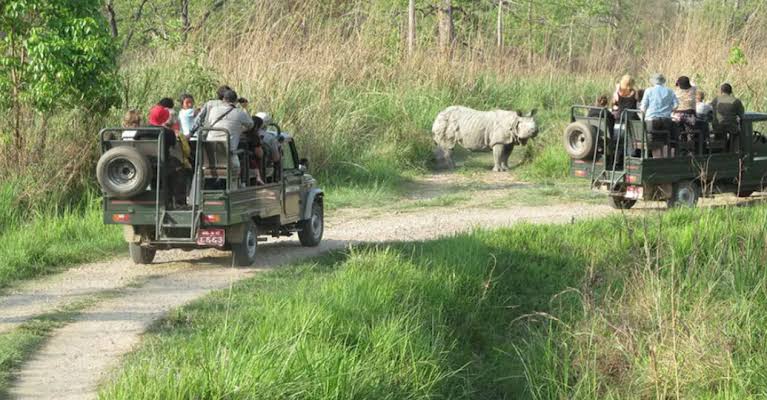
Wildlife safari in Chitwan National Park, Nepal, with a one-horned rhinoceros in its natural grassland habitat · Google
What to Pack for a Chitwan Wildlife Safari
Imagine beginning your morning beside a quiet river in southern Nepal. Mist hangs above the water, birds call from the trees, and the surrounding grasslands slowly come into view as the sun rises. Somewhere beyond the riverbank, a one-horned rhinoceros may be feeding among the tall grasses.
This is the experience that draws travellers to Chitwan.
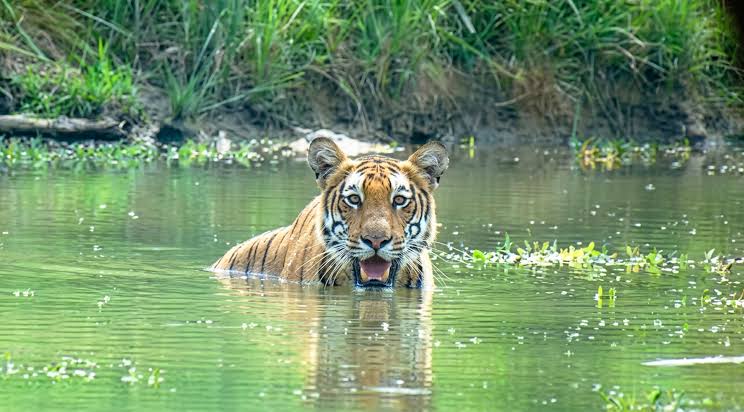
Located in Nepal's subtropical lowlands, Chitwan is famous for its remarkable wildlife, diverse habitats and opportunities to explore nature. Visitors come hoping to see rhinoceroses, crocodiles, deer, colourful birds and, with considerable luck, the elusive Bengal tiger. Beyond the wildlife itself, the region offers river journeys, forest experiences and opportunities to learn about local Tharu culture.
But an enjoyable safari begins before you leave your accommodation.
The right clothing can make an early-morning jeep ride more comfortable. A pair of binoculars can reveal birds sitting high in distant trees. Sun protection and drinking water can make a warm afternoon easier to manage, while a waterproof bag can protect your phone during a canoe journey.
You do not need an expensive wardrobe or specialist expedition equipment to enjoy Chitwan. You simply need to prepare for the activities you plan to experience and the weather you may encounter.
This guide explains what to pack for a Chitwan wildlife safari, what changes with the seasons, what you can leave at home and how to prepare for a responsible visit.
1. Understanding Chitwan Before You Pack
Chitwan is different from Nepal's Himalayan trekking destinations. Rather than packing primarily for high-altitude cold and mountain trails, visitors to Chitwan generally need to prepare for warm temperatures, humidity, sunshine, insects and occasional rain.
The region's weather changes considerably throughout the year. Winter mornings can feel cool, especially on open vehicles or beside the river. Spring and early summer can become very hot, while the monsoon brings rain, muddy ground and changing river conditions.
Your packing list should also reflect your planned activities.
A jeep safari has different requirements from a guided jungle walk. A canoe ride calls for extra protection for electronic devices, while birdwatching benefits from binoculars and a little patience.
Before packing, confirm your itinerary with your lodge or safari operator. Ask what equipment is provided, what clothing is appropriate for each activity and whether any special instructions apply.
The aim is not to carry everything imaginable. It is to bring the things that genuinely improve your experience.
2. Clothing: What Should You Wear on a Chitwan Safari?
Clothing is one of the most important parts of safari preparation. The ideal outfit is comfortable, breathable and suitable for changing conditions.
Choose lightweight, breathable fabrics
Chitwan can become hot and humid, particularly during the warmer months. Lightweight clothing helps you remain comfortable while walking or spending time outdoors.
Choose shirts and trousers made from breathable materials that dry reasonably quickly. Avoid relying entirely on heavy clothing that becomes uncomfortable in warm weather.
Long-sleeved shirts and lightweight long trousers are useful for jungle walks because they provide protection against sunlight, insects and vegetation.
For jeep safaris, comfortable trousers and a breathable shirt are generally sufficient, with an extra layer available for cooler mornings.
Wear muted, natural colours
Olive green, khaki, brown, grey and other understated colours are practical choices for wildlife observation.
They are comfortable, work well in outdoor environments and are less visually conspicuous than fluorescent or very bright clothing.
You do not need to purchase a special safari uniform. Ordinary outdoor clothing in suitable colours works perfectly well.
Avoid choosing clothing solely for its appearance in photographs. Comfort, protection and suitability for the activity matter much more.
Pack an extra layer for winter mornings
From approximately November to February, temperatures can vary noticeably between early morning and afternoon.
A light fleece, sweater or jacket can make a considerable difference during an early jeep safari or a quiet canoe ride.
Layering is the easiest solution. Start with a comfortable shirt, add a warm layer when needed, and remove it as the day becomes warmer.
This approach is more practical than wearing a single heavy outfit throughout the day.
Bring a lightweight rain jacket
A compact rain jacket is useful if showers are possible during your visit. It can also provide a little protection against wind on an open vehicle.
If travelling during the monsoon, pay particular attention to weather forecasts and local advice. Heavy rain can affect access, visibility and the suitability of some activities.
A rain jacket should complement, rather than replace, checking conditions before setting out.
3. Footwear: Prepare for the Ground Beneath You
The right footwear depends on where you are going.
For guided walks, choose comfortable, closed-toe walking shoes with good grip. Shoes you have already worn are preferable to brand-new footwear that might cause discomfort.
Paths may be dusty in dry weather and muddy after rain. Grasslands and woodland trails can also contain uneven ground, roots and vegetation.
For jeep safaris, comfortable trainers or walking shoes are usually practical. You may spend much of the excursion seated, but suitable footwear remains useful when getting in and out of the vehicle at permitted locations.
Sandals or slippers can be convenient around your lodge, particularly after a long day outdoors. However, they are not a suitable substitute for closed footwear on jungle walks.
If you are visiting during the monsoon, check whether water-resistant shoes are appropriate for your itinerary. Do not assume that every trail will be passable simply because you have suitable footwear.
4. Sun Protection: Small Items That Make a Big Difference
The sun can be strong in Chitwan, especially during spring and early summer.
A few basic items help you remain comfortable while spending time outside.
A wide-brimmed hat or cap: Choose one that fits securely and provides shade for your face. A wide brim can also protect your ears and the back of your neck.
Sunscreen: Pack broad-spectrum sunscreen with SPF 30 or higher. Apply it according to the product instructions and reapply as directed, particularly after sweating.
Sunglasses: UV-protective sunglasses can reduce glare during daytime activities beside rivers and in open grasslands.
Lip balm: A protective lip balm can be useful during dry, sunny or windy conditions.
Lightweight clothing: Long sleeves and long trousers can offer additional sun protection without requiring heavy layers.
Do not wait until you feel uncomfortable to think about the heat. Plan outdoor activities around the conditions, take breaks when appropriate and follow your guide's advice.
5. Insect Protection and Personal Care
Chitwan's warm climate and varied habitats mean insects can be part of the outdoor experience.
Insect repellent is a useful item to include in your bag, particularly for activities near vegetation and water. Choose an appropriate product and follow its label directions.
Long clothing can provide an additional barrier against biting insects. If your accommodation has window screens or other insect-protection measures, use them as intended.
Your personal-care kit can also include:
Toothbrush and toothpaste
Hand sanitiser
Personal toiletries
Tissues or a small packet of wipes
Any regular personal medication
A small, basic first-aid kit
Any personal items you need for comfort during the day
If you take prescribed medication, bring enough for your trip and keep it in its original packaging where practical.
You do not need a large medical kit for an ordinary safari, but preparing for minor everyday needs is sensible.
For travel-health questions, particularly if you have specific medical needs or are visiting remote areas, seek advice from a qualified healthcare professional before departure.
6. Binoculars: See More Than the Naked Eye Can Reveal
If there is one optional piece of equipment worth considering for wildlife observation, it is a pair of binoculars.
Wild animals do not always appear close to the vehicle or viewing area. Birds may sit high in trees, deer may remain near the edge of a grassland, and crocodiles may rest partly hidden beside a river.
Binoculars help you observe these details without approaching wildlife.
An 8x42 pair is a versatile choice for many general wildlife and birdwatching activities. However, you can still enjoy a safari without binoculars, especially when a guide helps identify animals and explains their behaviour.
If you are interested in birds, binoculars can be particularly valuable. Chitwan supports a rich variety of birdlife, and some species are much easier to identify when you can see their markings and shape clearly.
Learn to use your binoculars before the trip. Practise focusing on a distant tree or stationary object so you can find wildlife more easily when an opportunity appears.
7. Camera, Smartphone and Photography Accessories
For many travellers, photographs become lasting memories of a safari.
You do not need a professional camera to document your experience. A smartphone can capture landscapes, lodge life, river scenes and wildlife that happens to be close enough.
If you own a camera with a zoom lens, it may help you photograph animals from a respectful distance.
Consider packing:
Your camera or smartphone
A charger and suitable power bank
Spare camera batteries, if applicable
Additional memory cards, if needed
A lens-cleaning cloth
A protective bag for dust or rain
A secure strap for your camera
Dust can be an issue during dry-season jeep rides, while moisture may be a concern during rainy weather or canoe trips. Protect your equipment accordingly.
For a canoe ride, a waterproof pouch or dry bag is particularly useful for protecting your phone and other small belongings from splashes.
Most importantly, never approach an animal simply to improve a photograph. Avoid blocking its movement, disturbing its feeding or nesting behaviour, or asking a guide to move closer than is appropriate.
A photograph taken from a safe distance is a better souvenir than one obtained at the expense of wildlife.
8. What to Pack for a Jeep Safari
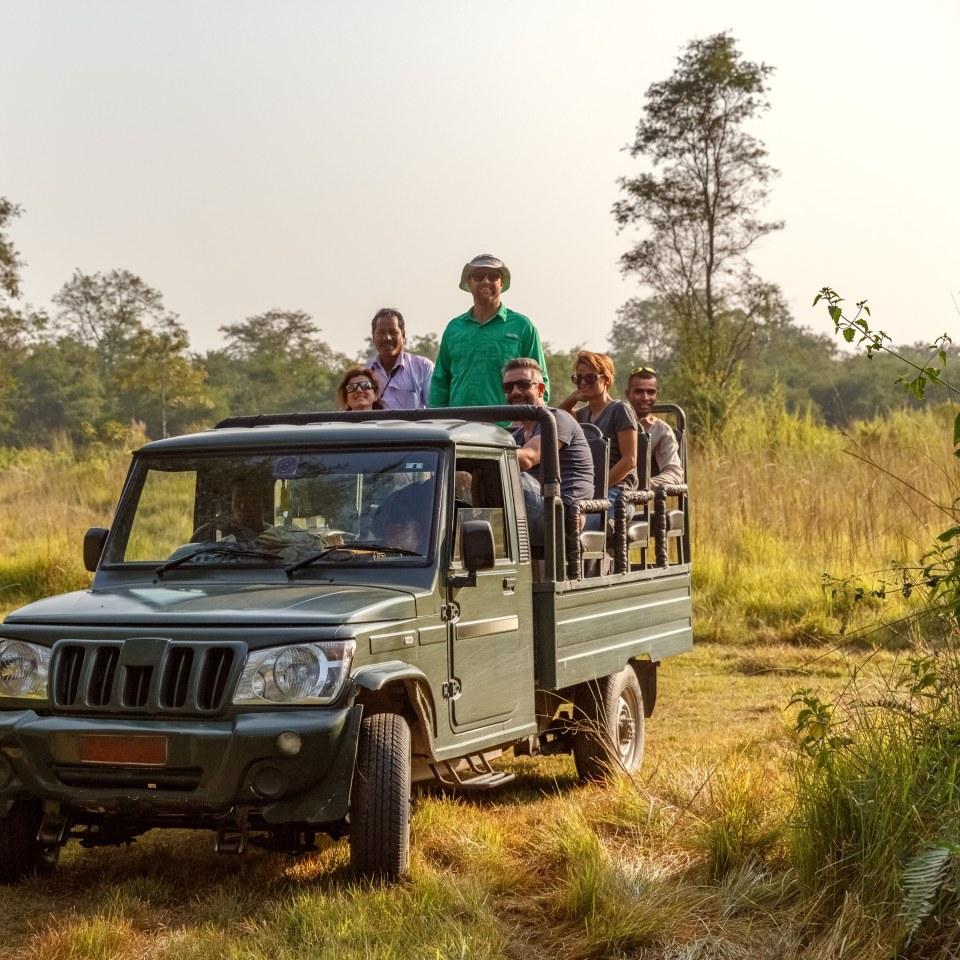
A jeep safari is one of the ways visitors explore Chitwan's wildlife habitats.
The vehicle can cover more ground than a walking excursion, offering opportunities to observe grasslands, forest edges and other landscapes. Wildlife sightings vary, and no particular animal can be guaranteed.
For a jeep safari, prepare a small daypack containing:
A water bottle
A hat and sunscreen
Binoculars, if available
A camera or smartphone
A light jacket during cooler months
Insect repellent
Personal medication
A waterproof pouch for important electronics, if rain is possible
Keep your belongings secure, particularly when travelling over uneven ground.
Follow your guide's instructions and remain in the vehicle unless the authorised guide or operator specifically permits you to leave at an appropriate location.
Never attempt to approach, feed or attract wild animals. Quiet observation gives you a better opportunity to appreciate their natural behaviour.
9. What to Pack for a Guided Jungle Walk
A jungle walk requires a little more preparation because you will be moving through the natural environment on foot.
Wear closed walking shoes, comfortable long trousers and a lightweight long-sleeved shirt. Carry drinking water, sun protection and any necessary personal items in a small bag.
Avoid bringing unnecessary equipment that makes walking difficult or distracts you from your surroundings.
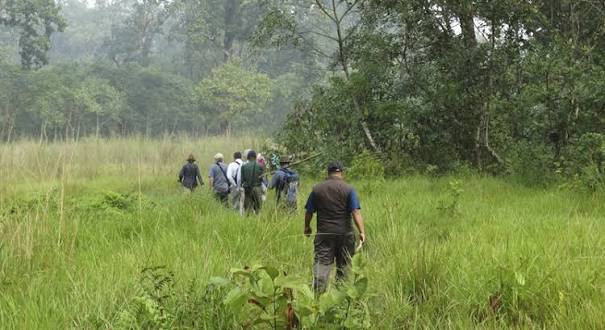
Most importantly, jungle walks in Chitwan's wildlife areas require careful attention to local rules and professional guidance. Arrange walks through an authorised operator and follow the safety briefing throughout the excursion.
Large wild animals can be unpredictable. Never leave your group, approach wildlife or attempt to take a photograph against your guide's instructions.
If conditions are unsuitable, ask whether another activity would be more appropriate.
10. What to Pack for a Canoe Ride
A canoe journey offers a different perspective on Chitwan. From the water, visitors may observe birds along the riverbanks and, in suitable locations, crocodiles resting near the shore.
Because you are on the water, protecting your belongings becomes especially important.
Bring a waterproof pouch or dry bag for your phone, camera accessories and other items that should not get wet.
Wear comfortable clothing suitable for the weather, along with a hat and sunglasses when appropriate. Apply sunscreen before departure and bring drinking water if permitted by your operator.
Listen carefully to the boat operator's safety instructions and follow all requirements for seating and flotation equipment.
Keep your movements calm and avoid leaning out to photograph animals. Never ask the operator to approach a crocodile or another wild animal for a closer view.
The river should be treated as a natural habitat, not a guaranteed wildlife show. Sometimes the most rewarding part of the journey is simply observing the landscape and listening to the birds.
11. Seasonal Packing Guide: What Changes Throughout the Year?
Chitwan's seasons influence both the clothing you need and the outdoor activities that are comfortable or practical.
Winter: November to February
Winter is often a pleasant time to explore Chitwan, but early mornings can feel surprisingly cool.
Pack a light jacket or fleece, long trousers, comfortable walking shoes and a warm layer for sunrise activities. A scarf can also be useful when travelling in a cool breeze.
Daytime conditions may become much warmer, so choose layers that are easy to remove.
This season can be rewarding for birdwatchers because migratory waterbirds visit suitable wetlands in Nepal during winter.
Spring and early summer: March to June
Temperatures can rise substantially during this period, particularly in April, May and early June.
Prioritise lightweight clothing, a hat, sunglasses, sunscreen and drinking water. Quick-drying fabrics can be useful when conditions are hot and humid.
Plan outdoor activities with local guidance, and take heat seriously. If you feel unwell, inform your guide and seek appropriate assistance rather than trying to continue.
Monsoon: approximately June to September
The monsoon brings rain, high humidity and changing ground conditions.
Pack a lightweight rain jacket, suitable footwear and waterproof protection for electronics. A spare change of clothes may also be helpful if your itinerary includes wet-weather activities.
Check forecasts and local conditions before departing. Flooding or heavy rain may make some routes or activities unsuitable.
Do not enter flooded areas or attempt to cross fast-moving water.
Autumn: October to November
Autumn often brings a transition from the rainy season to drier conditions. It can be a rewarding time for outdoor exploration, but weather may still vary.
Bring comfortable clothing, sun protection and a light rain layer if showers remain possible. A warm extra layer is useful for early departures as the cooler season approaches.
The most appropriate packing list depends on the exact dates of your visit, not just the season's name.
12. Documents, Money and Everyday Essentials
It is easy to focus on clothing and cameras while overlooking the practical details that make travel smoother.
Before leaving your accommodation, check that you have the documents and information needed for your itinerary.
Depending on your circumstances and activities, these may include:
Passport or appropriate identification
Booking confirmation and operator contact details
Travel insurance information
Some cash in Nepalese rupees
A payment card, if useful
Phone and charger
Power bank
Emergency contact details
Foreign visitors should confirm passport and visa requirements, while all visitors should check the current identification and permit requirements for their planned activities.
Do not assume that every location or operator accepts card payments.
Keep important documents secure and carry only what you need for the outing. Leave unnecessary valuables safely stored at your accommodation.
A small daypack is usually more convenient than taking your entire suitcase on a safari excursion.
13. Responsible Packing: Travel Light and Leave No Trace
What you choose not to bring can be just as important as what you pack.
Avoid unnecessary single-use packaging where practical. A reusable water bottle can reduce waste, provided you refill it with water from a safe source.
Carry a small bag for rubbish and take everything back with you. Never leave plastic wrappers, tissues or other waste along riverbanks or forest paths.
Choose practical clothing you already own rather than purchasing an entirely new safari wardrobe. There is no need for expensive accessories simply to enjoy wildlife observation.
Respect the local environment and communities. Ask permission before photographing people, follow access rules and consider choosing responsible local guides who understand both wildlife and the region's cultural heritage.
Wildlife tourism should support appreciation and conservation rather than place unnecessary pressure on animals or their habitats.
A responsible traveller understands that the goal is not to control the experience but to observe it respectfully.
14. What You Can Leave at Home
Packing becomes easier when you know what is unnecessary.
For a typical short Chitwan safari, you can usually leave the following behind unless your itinerary gives you a specific reason to bring them:
Heavy trekking equipment: Chitwan is a lowland wildlife destination, not a high-altitude Himalayan trek.
Too many clothing changes: A few comfortable outfits that can be mixed and reused are often sufficient for a short visit.
Expensive accessories you rarely use: Specialist camera equipment is optional, not a requirement for enjoying wildlife.
Large bags during excursions: A compact daypack is generally easier to manage during a safari.
Unnecessary plastic items: Reusable alternatives can help reduce waste.
Expectations of guaranteed sightings: No packing list can guarantee a tiger encounter or any other specific wildlife sighting.
A simple, well-prepared bag leaves you more freedom to enjoy the journey.
15. A Simple Chitwan Safari Packing Checklist
Use this checklist before leaving your hotel or lodge.
Clothing and footwear
Lightweight shirts and comfortable trousers
Long sleeves for outdoor activities
A light jacket for cool mornings
Comfortable closed walking shoes
A spare pair of socks
Sandals or slippers for the lodge
Rain jacket during wet weather
Sun and insect protection
Hat or cap
Sunglasses
Sunscreen
Insect repellent
Lip balm, if needed
Wildlife and photography
Binoculars, if available
Camera or smartphone
Charger and power bank
Spare batteries or memory cards, if required
Waterproof pouch for electronics
Personal essentials
Reusable water bottle
Small daypack
Personal medication
Basic first-aid supplies
Hand sanitiser
Tissues or wipes
Documents and practical items
Required identification
Booking details
Travel insurance information
Some local currency
Phone with important contact details
Before setting out, check the weather, confirm your meeting time and listen to your guide's instructions. Adjust the checklist according to the activities you have booked.
Final Thoughts: Pack Light, Prepare Well and Enjoy Chitwan
A wildlife safari in Chitwan is an opportunity to experience one of Nepal's most remarkable natural landscapes.
You might spend a morning observing a rhinoceros in the grasslands, notice a kingfisher beside the river, watch crocodiles resting near the water or simply enjoy the sounds of birds moving through the forest.
The best preparation is often straightforward: comfortable clothing, suitable footwear, protection from the sun and insects, enough drinking water, and a few useful items for observation and photography.
Everything else depends on your plans, the season and the conditions on the day.
Remember that wildlife sightings are never guaranteed. A safari is not simply a search for the largest or rarest animal. It is also an opportunity to understand the habitats, communities and conservation efforts that make this landscape special.
Pack thoughtfully, follow local guidance, respect wildlife and leave the environment as you found it.
Chitwan is best experienced with curiosity, patience and respect. Bring what you need, travel responsibly and allow the natural world to surprise you.
Travel note: Weather, park access, permits and activity rules can change. Confirm current requirements with Chitwan National Park, your accommodation or an authorised safari operator before departure.