Festivals
Maghi Festival: Celebrating the Tharu New Year in Nepal
Discover Nepal's vibrant Tharu New Year celebration, its ancient traditions, traditional food, folk dances, family gatherings and cultural heritage.
Himal Shahi Thakuri · Oct 30, 2026 · 21 min read
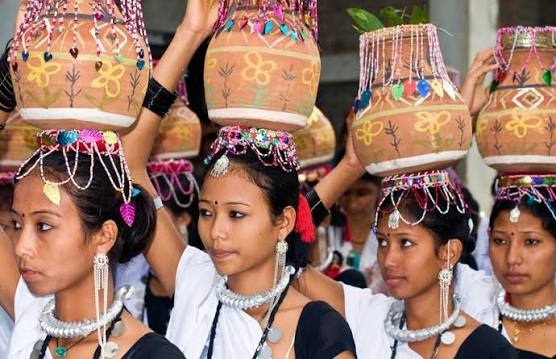
Tharu community celebrating Maghi festival in Nepal with traditional clothing, music and cultural dance. · Maghi, the Tharu New Year, is a celebration of culture, family, tradition and community across Nepal's Terai.
Maghi Festival: Celebrating the Tharu New Year in Nepal
Imagine walking through a traditional village in Nepal's Terai region in the middle of January. The air is filled with the sound of traditional drums, families are preparing special meals, children are wearing colourful clothes, and groups of people are gathering to celebrate together. In the courtyards, traditional songs can be heard while elders welcome relatives who have travelled from different places to return home.
This is the atmosphere of Maghi (माघी), one of the most important and widely celebrated festivals of Nepal's Tharu community.
For the Tharu people, Maghi is not simply a festival of food, music and dancing. It represents a new beginning, family relationships, community cooperation, cultural identity and the continuation of traditions passed down through generations.
Celebrated around the first day of Magh in the Nepali calendar, usually in mid-January, Maghi is widely recognised as the Tharu New Year. It is particularly important in the western and central Terai, including Dang, Banke, Bardiya, Kailali, Kanchanpur, Rupandehi, Kapilvastu, Chitwan and Nawalpur.
Although the customs and celebrations vary between regions and Tharu groups, the central message remains similar: welcoming a new year while respecting the past and strengthening relationships within the community.
For anyone interested in understanding Nepal beyond its mountains, trekking routes and famous temples, Maghi offers an opportunity to discover an important part of the country's living cultural heritage.
1. What Is Maghi Festival?
Maghi is the traditional New Year celebration of many Tharu communities in Nepal. It is observed on Magh 1, which generally falls around 14 or 15 January, depending on the calendar year.
The festival marks the beginning of a new annual cycle for many Tharu families. It is a time when people reflect on the previous year, settle certain responsibilities, make plans and prepare for the activities of the coming year.
Maghi is also known as Maghi Parva or Maghi Utsav. In different places, the festival may be celebrated over several days rather than just one day.
The celebration brings together different generations. Grandparents, parents, children, relatives and neighbours participate in activities that strengthen their relationships.
Traditional food is prepared, folk dances are performed, cultural songs are sung and people visit one another's homes.
One particularly interesting aspect of Maghi is its connection with traditional community governance. In several Tharu villages, important decisions about village leadership and shared responsibilities are made around this time.
This makes Maghi both a cultural and a social celebration.
2. Why Is Maghi the Biggest Festival of the Tharu Community?
To understand the importance of Maghi, it is necessary to understand the relationship between the Tharu community, their land and their traditional way of life.
The Tharu people are among Nepal's Indigenous communities, with a long history in the Terai region. Their traditional livelihoods have been closely connected with agriculture, forests, rivers, wetlands and village life.
For generations, families have depended on seasonal farming, fishing, local resources and cooperation with their neighbours.
The arrival of Magh represents an important moment in this annual cycle.
It provides an opportunity to:
Welcome the Tharu New Year.
Reunite with family members and relatives.
Exchange greetings and blessings with elders.
Review the previous year's responsibilities.
Discuss village activities and community development.
Preserve traditional music, dances and cultural practices.
Pass cultural knowledge from older generations to younger ones.
Unlike celebrations that focus mainly on religious ceremonies, Maghi brings together cultural, social, agricultural and community traditions.
For many Tharu families, it is one of the most anticipated occasions of the year.
3. When Is Maghi Celebrated?
Maghi is celebrated on the first day of Magh in the Nepali calendar, generally in the middle of January.
The festival is connected with the seasonal transition and the beginning of a new annual cycle.
In many villages, preparations begin several days before Magh 1. Families arrange food, prepare traditional dishes, clean their homes and organise cultural activities.
Some communities celebrate for three days, while others observe the occasion over five days or even longer.
The exact schedule depends on local customs and traditions.
The celebration is also connected with Maghe Sankranti, a festival observed in different parts of Nepal. However, Maghi has its own distinct cultural significance for the Tharu community.
For Tharu families, it is particularly important as a New Year celebration and a time for community decisions.
4. The Five-Day Celebration of Maghi
One of the fascinating aspects of Maghi is that its celebrations can extend over several days.
The exact order and names of activities differ between communities, but a traditional multi-day celebration may include the following events.
Day One: Preparing for the Celebration
Preparations begin before the main festival.
Families clean their homes, organise food supplies, gather relatives and prepare ingredients for traditional meals.
In some communities, fishing and collecting local ingredients are important parts of the preparations.
Women and older family members often play an important role in preparing traditional foods, while other family members organise household and community activities.
The entire village gradually begins to feel the excitement of the upcoming celebration.
Day Two: Community Preparations and Gathering
As Maghi approaches, families prepare for the main celebration.
Traditional foods are arranged, courtyards are prepared and relatives begin visiting one another.
In some western Terai communities, this period includes specific traditional customs connected with the preparation and sharing of food.
The gathering is not limited to one household. Neighbours and relatives participate, making the festival a shared community experience.
Day Three: Jitmarna and Traditional Celebrations
In some western Tharu communities, the day before Maghi is known as Jitmarna Din.
It is associated with traditional food preparations, family gatherings and cultural activities.
People gather in the evening to sing traditional songs, play musical instruments and perform folk dances.
The atmosphere becomes especially lively as groups visit homes and participate in community celebrations.
The exact customs are not identical everywhere, and different Tharu communities have their own ways of observing this day.
Day Four: Maghi – The Main New Year Celebration
Magh 1 is the central day of the festival.
Many families begin the morning with traditional bathing rituals, sometimes visiting nearby rivers, ponds or other water sources.
After returning home, people receive blessings from elders and exchange greetings.
Relatives visit each other's homes, traditional food is shared, and cultural programmes take place.
For many families, this day represents a fresh beginning.
It is also an important occasion for discussing family and community responsibilities for the year ahead.
Day Five: Maghi Dewani and Family Relationships
In some communities, the days following Maghi include special family visits and gatherings.
One important tradition is the exchange of Nisrau, a customary gift that may include food grains and other household items.
The practice is particularly associated with relationships between brothers and married sisters in some Tharu communities.
It symbolises care, affection and continuing family connections.
Other villages have their own customs for concluding the festival.
These different traditions show how Maghi can be both a shared cultural celebration and a collection of regional customs.
5. Traditional Tharu Food During Maghi
Food is one of the most memorable parts of Maghi.
The festival provides an opportunity for families to prepare dishes that reflect the agricultural history, local ingredients and culinary knowledge of the Tharu community.
Traditional recipes are often passed down from parents and grandparents.
Although food varies between districts and families, several dishes are strongly associated with Tharu celebrations.
Dhikri – A Traditional Favourite
Dhikri is among the most recognisable traditional Tharu foods.
It is made from rice flour and prepared by shaping the dough into different forms before steaming it.
Depending on the region and household tradition, Dhikri can have long, rounded or decorative shapes.
It is commonly served with chutney, vegetables, lentils or curry.
For many Tharu families, Dhikri is more than an ordinary meal. It represents the traditional food culture of the community and is especially important during festivals.
Ghonghi – A Special Tharu Delicacy
Ghonghi is a traditional dish made using edible freshwater snails.
It is particularly associated with Tharu food culture in the Terai, where rivers, wetlands, ponds and agricultural landscapes have historically provided important food resources.
The dish is traditionally prepared with local spices and is appreciated by many Tharu families.
For visitors unfamiliar with it, Ghonghi may be a completely new culinary experience.
It also demonstrates how local food traditions are closely connected with the surrounding natural environment.
Anadi Rice
Anadi is a traditional sticky rice variety used in several Tharu food preparations.
It is valued for its distinctive texture and is commonly associated with special meals and cultural occasions.
Families may prepare it in different ways, depending on local preferences.
Chichar
Chichar is another traditional Tharu food prepared using Anadi rice.
It is often served during celebrations and family gatherings.
Its importance reflects the relationship between traditional farming and Tharu cuisine.
Fish and Local Dishes
Fish has an important place in the food culture of many Tharu communities.
The rivers, ponds and wetlands of the Terai have historically provided freshwater fish as part of local diets.
During Maghi, fish dishes may be included in family meals alongside rice, vegetables and other traditional foods.
Other Traditional Foods
Depending on the region, Maghi meals may also include:
Khichadi.
Khariya.
Different varieties of traditional rice bread.
Yams and sweet potatoes.
Local vegetable preparations.
Sesame-based sweets.
Traditional meat dishes.
Every household may have its own recipes and methods of preparation.
For international visitors, experiencing Tharu food is one of the best ways to appreciate the diversity of Nepalese cuisine.
6. Traditional Tharu Dance and Music
No discussion of Maghi would be complete without traditional music and dance.
Music is an essential part of the celebration. It brings people together and helps preserve stories, customs and cultural expressions.
During Maghi, traditional performances can take place in village courtyards, public spaces and organised cultural programmes.
Different regions have different dance styles, songs and musical traditions.
Maghauta Dance
Maghauta is closely associated with Maghi celebrations in several Tharu communities.
It is performed during the festival as part of traditional gatherings and cultural programmes.
The dance reflects the festive atmosphere and the importance of community participation.
Sakhiya Dance
Sakhiya is another well-known traditional Tharu dance.
It is especially associated with group performances, traditional songs and cultural storytelling.
The movements, rhythm and music help communicate the identity and traditions of the community.
Jhumra Dance
Jhumra is another traditional dance associated with Tharu cultural celebrations.
It is performed with traditional music and coordinated movements.
Its performance style can differ between communities.
Traditional Musical Instruments
Traditional instruments provide the rhythm and atmosphere for cultural performances.
The Madal is one of the familiar percussion instruments heard in many Nepalese folk traditions.
Other drums and locally used musical instruments also contribute to Tharu cultural performances.
Traditional songs may describe village life, relationships, nature, agricultural activities and community experiences.
For younger generations, learning these dances and songs is an important way of keeping cultural traditions alive.
7. Traditional Tharu Clothing and Cultural Identity
Maghi is also an occasion when people proudly display traditional clothing and cultural identity.
During public celebrations, cultural programmes and family gatherings, Tharu men and women may wear traditional outfits associated with their respective communities.
Clothing styles differ across regions, and there is no single outfit that represents every Tharu group.
Traditional jewellery, ornaments, fabrics and accessories are also important elements of cultural expression.
For women, traditional dress may include distinctive garments and jewellery.
Men may wear traditional clothing associated with their local community and cultural practices.
During organised festivals, groups sometimes perform dances in coordinated traditional costumes.
These clothes are not simply decorative. They represent family heritage, artistic traditions and the cultural identity of the Tharu people.
Traditional weaving, embroidery, ornaments and handmade household products also demonstrate the creativity and craftsmanship of the community.
8. The Badghar System: Community Leadership During Maghi
One of the most interesting and meaningful aspects of Maghi is its connection with traditional village governance.
In several Tharu communities, Maghi is an important time for selecting or confirming local leaders.
One traditional institution is known as the Badghar or Barghar system.
The Badghar is a community leader who helps coordinate village activities and collective responsibilities.
Depending on the region, similar leadership roles may be known by different names, including Mahatawa and Bhalmansa.
The leader's responsibilities can include:
Coordinating community meetings.
Helping organise agricultural activities.
Supporting village development projects.
Facilitating cooperation between households.
Helping resolve local disagreements.
Organising community work.
Communicating decisions and responsibilities.
The selection of a Badghar may take place through community consensus or an election, depending on local practice.
Other community roles may also be assigned.
These can include responsibilities related to religious and cultural activities, communication and village organisation.
This traditional system demonstrates the importance of cooperation and collective decision-making in Tharu society.
It also provides an interesting example of how Indigenous communities developed their own local governance institutions.
9. Maghi and the History of Freedom: The Kamaiya System
Maghi has another important historical dimension.
For many Tharu people, particularly in western Nepal, the festival is connected with the history of the Kamaiya and Kamalari systems.
The Kamaiya system was a form of bonded agricultural labour that affected many Tharu families.
Under this system, some families worked for landlords under exploitative arrangements that restricted their freedom and economic opportunities.
The Kamalari system similarly affected girls and young women who were placed in domestic labour arrangements.
These systems caused serious social and economic difficulties for many families.
The Kamaiya system was formally abolished by the Government of Nepal in 2000. The Kamalari practice was also subsequently prohibited, although the effects of these systems did not disappear immediately.
Historically, Maghi was an important period when certain labour arrangements and agreements were reviewed or changed.
For this reason, the festival also carries memories of freedom, social change and the struggle for dignity among affected Tharu communities.
Today, many people associate Maghi with a new beginning and the importance of freedom.
Understanding this history helps visitors appreciate that Maghi is not only a colourful celebration but also a festival connected with important social experiences.
It is important to recognise both the joy of the celebration and the historical struggles remembered by the community.
10. Family Gatherings and the Importance of Elders
Family is at the heart of Maghi.
Throughout the year, work, education and migration may take family members away from their home villages.
Maghi provides an important opportunity for relatives to return, reconnect and spend time together.
Children visit grandparents, brothers and sisters meet, and relatives exchange greetings.
Elders receive special respect during the celebration.
Younger family members may visit them to receive blessings and traditional guidance.
In some communities, the exchange of Nisrau is an important part of maintaining relationships between married sisters and their brothers.
Such practices help maintain connections even when relatives live far apart.
For many families, the most valuable part of Maghi is simply being together.
11. Maghi in Chitwan and Nawalpur
The central and western Terai regions have important Tharu populations, and Chitwan and Nawalpur are particularly interesting places to learn about Tharu culture.
In Chitwan, Tharu communities have maintained traditions connected with agriculture, traditional food, music, dance and village life.
Areas around Sauraha, Bachhauli and other Tharu settlements offer opportunities to learn about this cultural heritage.
The Tharu Cultural Museum and Research Centre in Bachhauli, near Sauraha, is one place where visitors can learn about traditional clothing, farming equipment, fishing practices, household objects and the history of the community.
Nawalpur is another important region for experiencing Tharu culture.
Communities around Kawasoti, Devchuli, Madhyabindu and Gaindakot have their own cultural practices and local celebrations.
During Maghi, organised programmes and community gatherings may include traditional dances, food exhibitions, cultural displays and performances.
For visitors travelling through Chitwan National Park and the surrounding areas, learning about the Tharu community provides a deeper understanding of the human and cultural landscape of the Terai.
The region is not only known for its wildlife and natural beauty. It is also home to communities with rich cultural histories.
12. Maghi Celebrations Across Nepal
Although Maghi is widely celebrated throughout the Terai, its traditions are not exactly the same everywhere.
Different Tharu communities have their own languages, cultural practices, dance styles and food traditions.
Dang
Dang is one of the important centres of Tharu culture in western Nepal.
Maghi celebrations include traditional songs, food, cultural gatherings and community activities.
The Badghar system also has an important place in many local communities.
Bardiya
Bardiya has a strong Tharu cultural presence.
Traditional dances, food and community gatherings are important parts of Maghi celebrations.
Local cultural programmes also help younger generations connect with their heritage.
Kailali and Kanchanpur
The Tharu communities of the Far-Western Terai celebrate Maghi with traditional food, family gatherings and cultural performances.
Local customs and traditional dishes are important features of the celebration.
Banke and Bardiya
Communities in these districts organise gatherings and cultural programmes where traditional music, food and clothing are displayed.
Chitwan and Nawalpur
In central Nepal's Terai region, Maghi is celebrated through family gatherings, traditional meals and cultural programmes.
These regional differences are an important reminder that Tharu culture is diverse.
Maghi is a shared celebration, but each community contributes its own traditions.
13. Traditional Crafts and the Artistic Heritage of the Tharu People
Maghi is also an opportunity to appreciate the artistic skills of the Tharu community.
Traditional crafts have historically played an important role in household life.
Handmade baskets, storage containers, mats and other household products demonstrate the practical knowledge and creativity of local craftspeople.
Some traditional products are made using natural fibres, bamboo, reeds and other locally available materials.
Among the familiar handmade items are:
Dhakiya: Traditional woven containers and baskets.
Delwa: A traditional type of basket or container.
Mats and household weaving.
Decorative items used in cultural settings.
Traditional farming and fishing equipment.
These products reflect knowledge that has been developed and passed down through generations.
Cultural exhibitions during Maghi can provide an opportunity to see some of these crafts and learn about the people who make them.
Supporting traditional artisans can also help preserve these skills for future generations.
14. How Maghi Is Changing in Modern Nepal
Like many traditional festivals, Maghi is evolving with changing lifestyles.
In earlier generations, celebrations were often centred around village homes, agricultural communities and traditional social structures.
Today, many Tharu people live and work in cities or outside their home districts.
Some have moved to Kathmandu, Pokhara, Bharatpur and other urban centres for education, employment and business.
Despite these changes, Maghi continues to bring people together.
Large cultural programmes are organised in different cities, allowing people living away from their ancestral villages to celebrate their identity.
In Kathmandu, public celebrations have included cultural rallies, traditional performances, food exhibitions and displays of handmade products.
Social media has also created new ways for younger Tharu generations to share traditional songs, photographs, dance performances and stories.
At the same time, there are growing discussions about protecting Indigenous languages, traditional knowledge and cultural practices.
Modern celebrations can help introduce Maghi to a wider audience, but preserving its deeper meaning remains important.
The festival should continue to be a celebration shaped by the community itself, rather than simply becoming a performance for visitors.
15. Experiencing Maghi as a Visitor in Nepal
For international travellers, Maghi can provide a valuable opportunity to understand Nepal's cultural diversity.
Visitors who happen to be in the Terai during January may find community celebrations and organised cultural programmes in different districts.
However, it is important to remember that Maghi is first and foremost a family and community festival.
Visitors should approach the celebration with respect and curiosity.
Here are some ways to experience it responsibly:
Attend public cultural programmes: Local organisations sometimes organise public celebrations featuring traditional dances, music and cultural exhibitions.
Explore Tharu food: Try traditional dishes such as Dhikri and other locally prepared foods at suitable community-run establishments.
Learn from local guides: A knowledgeable Tharu guide can explain the meaning behind traditional clothing, songs, food and ceremonies.
Visit cultural museums: Museums and cultural centres can provide useful background about Tharu history and traditional lifestyles.
Support local craftspeople: Buying authentic handmade products directly from local artisans can help support traditional skills.
Respect local customs: Always ask permission before photographing individuals, private family gatherings or religious activities.
Listen to community stories: The best way to understand a culture is to learn directly from the people who maintain it.
Visitors should avoid assuming that every Tharu village follows the same traditions.
The most respectful approach is to ask questions and allow local people to explain their own customs.
16. Why Should We Preserve the Maghi Festival?
Maghi represents an important part of Nepal's Indigenous cultural heritage.
It connects generations through food, language, music, dance, family traditions and community responsibilities.
However, traditional knowledge can gradually disappear if younger generations no longer have opportunities to learn it.
Urban migration, changing lifestyles and the influence of modern entertainment can create challenges for cultural preservation.
Preserving Maghi does not mean preventing communities from changing.
It means ensuring that the knowledge, stories and traditions of previous generations remain accessible to future generations.
There are several ways this can happen:
Passing traditions to younger generations: Parents and grandparents can teach children traditional songs, dances, recipes and cultural stories.
Protecting Tharu languages: Language is an important part of cultural identity, and preserving local languages helps maintain traditional knowledge.
Supporting traditional artists: Musicians, dancers, craftspeople and cultural performers deserve recognition and opportunities.
Documenting cultural history: Photographs, interviews, books and documentaries can help record traditions that might otherwise be forgotten.
Promoting responsible cultural tourism: Visitors can learn about Tharu heritage while supporting community-led cultural activities.
The future of Maghi depends on the people who celebrate it and the younger generations who choose to carry its traditions forward.
17. Maghi: More Than a Festival
When the celebrations end, the meaning of Maghi continues.
Families return to their everyday responsibilities, children return to school, and people begin another year of work and community activities.
But the relationships strengthened during the festival remain.
A traditional meal becomes a family memory. A folk song carries the voice of an older generation. A dance performance introduces children to their cultural heritage. A community meeting helps people prepare for the year ahead.
For Tharu families, these experiences are part of what makes Maghi special.
It is a celebration of where people come from, the relationships they share and the future they hope to build.
Nepal is often introduced to international visitors through the Himalayas, Mount Everest, trekking trails and wildlife safaris.
Yet the country's cultural richness is equally remarkable.
The Tharu community's Maghi festival offers a window into the traditions, resilience and collective identity of people who have helped shape the history of Nepal's southern plains.
Whether celebrated in a small village in Bardiya, a cultural programme in Chitwan or a public gathering in Kathmandu, Maghi carries a message that goes beyond geography.
It reminds us that culture is not simply something preserved in museums. It is something people practise, share and pass on every year.
Maghi is not just the beginning of a new year. It is a celebration of identity, belonging, freedom, family and the living heritage of the Tharu people.
Frequently Asked Questions About Maghi Festival
1. What is Maghi festival in Nepal?
Maghi is one of the most important festivals of Nepal's Tharu community. It is celebrated as the Tharu New Year on the first day of Magh, generally in mid-January.
2. Why do Tharu people celebrate Maghi?
Tharu people celebrate Maghi to welcome the New Year, reunite with family members, honour elders, enjoy traditional food, perform cultural dances and organise community activities.
3. What is the traditional food of Maghi?
Popular foods include Dhikri, Ghonghi, Chichar, Anadi rice, fish, Khichadi and other traditional local dishes.
4. Which dance is performed during Maghi?
Maghauta, Sakhiya and Jhumra are among the traditional dances associated with Tharu cultural celebrations. Other regional dance forms are also performed.
5. Where is Maghi celebrated in Nepal?
It is celebrated in many Terai districts, including Dang, Bardiya, Banke, Kailali, Kanchanpur, Chitwan, Nawalpur, Rupandehi and Kapilvastu.
6. What is the Badghar system?
The Badghar system is a traditional community leadership institution in several Tharu villages. A Badghar helps coordinate community activities, meetings and shared responsibilities.
7. Is Maghi the same as Maghe Sankranti?
They are celebrated around the same calendar date, but they have different cultural meanings. Maghi is particularly important as the traditional New Year of the Tharu community.
8. Can tourists experience Maghi?
Yes. Visitors may attend public cultural programmes, explore traditional food and learn about Tharu culture through local guides and cultural centres. They should always respect community customs and private celebrations.
Final Thoughts
Every culture has a story, and Maghi tells an important story of the Tharu people of Nepal.
Through traditional food, music, dance, family relationships and community leadership, the festival keeps cultural memories alive.
For anyone wishing to understand Nepal more deeply, discovering Maghi is a wonderful way to explore the country's living heritage beyond its famous mountains and tourist destinations.
Happy Maghi! माघीको हार्दिक मंगलमय शुभकामना!