Nature & Wildlife
The Elusive Pangolin of Nepal: A Rare and Endangered Guardian of the Forest
Meet the scaly, shy mammal that quietly protects Nepal’s forests, and the threats pushing it toward extinction
Himal Shahi Thakuri · Oct 28, 2026 · 4 min read
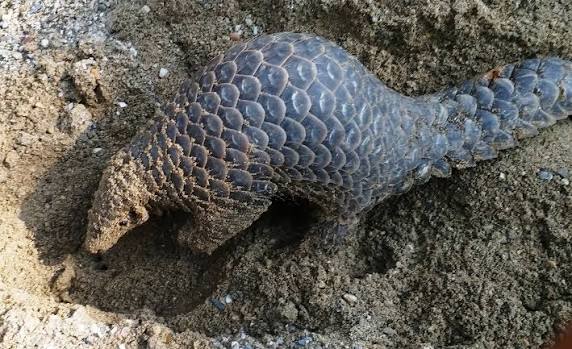
A pangolin, one of the most trafficked mammals in the world, in its natural forest habitat
Deep in the forests of Nepal, a small, armoured animal wanders in the dark, sniffing out ant nests and termite mounds. Few people ever see it. This is the pangolin of Nepal, one of the most unusual and endangered mammals on Earth. Covered in hard scales and able to roll into a tight ball when threatened, the pangolin is a quiet guardian of the forest, and it is in serious trouble.
In Nepali, the pangolin is known as Salak. Many villagers have heard of it, but very few have seen one, because it is shy, nocturnal and spends much of its life hidden in burrows.
What Is a Pangolin?
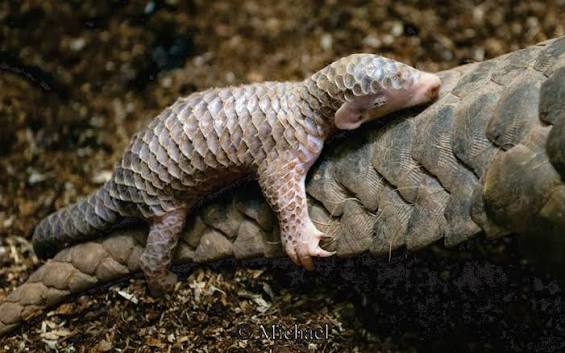
The pangolin is the only mammal in the world covered in true scales. These scales are made of keratin, the same material as human fingernails and hair. Despite their appearance, pangolins are not reptiles and are not related to armadillos. They are mammals that give birth to young and feed them milk.
A pangolin has a long, sticky tongue, strong front claws for digging, and no teeth. When it feels danger, it curls into a tight ball, protecting its soft belly and face behind its armour. This defence works well against many predators, but it makes the animal easy for humans to pick up and carry away.
Pangolin Species Found in Nepal
Two species of pangolin are found in Nepal:
Chinese pangolin (Manis pentadactyla): Found mainly in the mid-hills and forested areas. It is listed as Critically Endangered on the IUCN Red List.
Indian pangolin (Manis crassicaudata): Found mainly in the lowland Terai region, including areas around Chitwan. It is listed as Endangered.
Both species are legally protected in Nepal, and hunting, killing or trading them is a criminal offence.
Habitat and Daily Life
Pangolins live in forests, grasslands, scrub and even some farmland edges. They dig deep burrows, or sometimes use hollow logs, where they sleep during the day. At night, they come out to feed.
Their diet is almost entirely ants and termites. A single pangolin can eat millions of insects in a year, so these animals work as natural pest controllers. By digging for food and making burrows, they also help to aerate the soil, which supports healthy forest growth. This is why conservationists often call the pangolin a forest guardian.
Pangolins are solitary and slow breeders. A female usually gives birth to just one baby at a time, and the young one rides on its mother’s tail for the first months of life. This slow rate of reproduction means that populations cannot quickly recover once they decline.
Why Is the Pangolin Endangered?
The pangolin is often described as the most trafficked wild mammal in the world. In Nepal, several threats put it at risk:
Poaching and illegal trade. Pangolin scales and meat are in demand in some international markets, where scales are used in traditional medicine without any proven medical benefit. Nepal is both a source and a transit route for this illegal trade.
Habitat loss. Forest clearing, expanding farmland, road building and settlement growth shrink the places where pangolins can live.
Accidental harm. Pangolins are sometimes killed by dogs, caught in snares meant for other animals, or injured on roads and by fires.
Low awareness. Many people do not know that the animal is rare or protected, which makes enforcement harder.
Conservation Efforts in Nepal
Nepal has taken steps to protect the pangolin. The species is protected under the country’s wildlife laws, and the government and conservation groups run awareness campaigns, anti-poaching patrols and research projects. Rescue and release of confiscated pangolins, community-based monitoring, and cooperation with police and customs have all played a role.
Protected areas such as Chitwan National Park provide important habitat where the Indian pangolin can live more safely. World Pangolin Day, celebrated each year on the third Saturday of February, is also used to raise awareness across the country.
How You Can Help Protect Pangolins
Everyone can play a part in protecting this species:
Never buy or sell pangolin scales, meat or any products made from them.
Report suspected poaching or trafficking to local authorities, forest offices or wildlife crime units.
Do not disturb a pangolin if you find one. Keep a safe distance, keep dogs away, and call forest officials.
Support responsible tourism and conservation groups that protect forests and wildlife.
Share what you know. Telling friends, family and neighbours about the pangolin helps build local pride in protecting it.
A Future Worth Protecting
The pangolin of Nepal is easy to overlook. It does not roar like a tiger or tower like a rhino, yet it plays an important role in keeping forests healthy. If we lose the pangolin, we lose a small but valuable part of Nepal’s natural heritage. With stronger laws, community care and awareness, there is still hope that this gentle, armoured guardian will keep walking Nepal’s forests for generations to come.