Wildlife & Travel
The World’s Most Beautiful Butterflies and Where to Find Them: A Wild-Sighting Guide
EverestBlog AI · Oct 31, 2026 · 8 min read
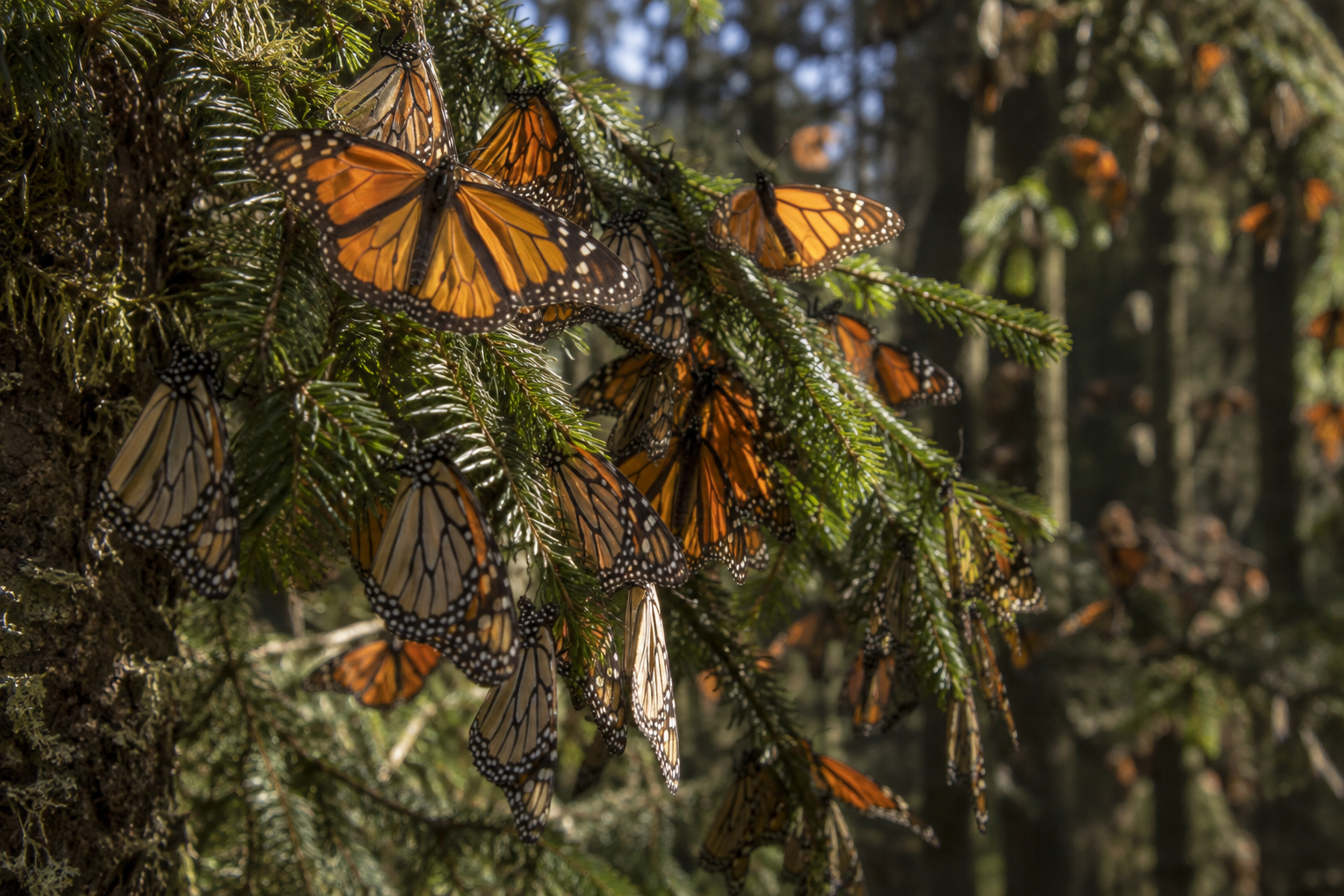
Monarchs overwinter in Mexico’s mountain fir forests; visitor access and viewing conditions vary by sanctuary and season. · AI-generated illustration
A butterfly can change the pace of a walk. One moment you are following a forest trail; the next, a flash of blue pulls your attention toward the canopy, or patterned wings settle beside a stream. In the wild, colour is only part of the attraction. Light, flight and setting shape the encounter: wings that look dull in shade may shine when they turn, while a butterfly resting on a leaf can seem to disappear completely.
Searching for the most beautiful butterflies in the world is therefore less about collecting names than finding places where these moments might happen. Beauty is subjective, not a scientific ranking. Some travellers love brilliant colours; others notice delicate markings, transparent wings or the quiet elegance of a gliding flight. The six butterflies in this guide offer different kinds of appeal, rather than a claim that any one deserves a universal crown.
This is a global, destination-first guide. It connects butterflies with wild landscapes worth exploring, from tropical forests to open habitats shaped by seasonal growth. The starting question is practical: where could a visitor responsibly look for this butterfly? Detailed identification profiles are not the aim. Instead, the focus is on choosing a promising setting, understanding the limits of a sighting recommendation and making room for wildlife to behave on its own terms.
A species’ full geographic range is not the same as a useful travel recommendation. A range may cross several countries, yet suitable habitat can be scattered, difficult to reach or closed to visitors. Even within a protected area, a butterfly may depend on particular plants, elevations or forest conditions. A country name on a distribution map tells you that a species occurs there; it does not tell you which public trail gives you a reasonable chance of seeing it.
The places highlighted here should be read as starting points for planning, not promises. Before arranging a journey around one species, ask a local naturalist or reserve team whether it has been recorded recently, whether the relevant habitat is accessible and whether your timing is sensible. Flight periods and viewing conditions vary by location and species. Weather, flowering plants and local habitat changes can all affect activity; check locally for current conditions, access rules and guide availability.
Give yourself time to observe rather than rushing between viewpoints. Many butterflies are easier to notice in warm, bright conditions, but not every species follows the same daily pattern. Sunny forest edges, flowering clearings and damp ground can be productive where access is permitted. A knowledgeable guide can help you read those habitats without turning the walk into a chase.
Keep your distance, stay on permitted paths and never catch, handle or bait butterflies for a photograph. Avoid trampling stream banks or vegetation to get closer. A worthwhile encounter may last only seconds, and it may involve a different species from the one you hoped to find. That uncertainty is part of what makes watching wild butterflies rewarding.
Six Beautiful Butterflies and the Wild Places to Look for Them
Among the most beautiful butterflies in the world, these six reward patient watching in very different landscapes. All seasonal windows below are provisional. Before travelling, ask reserve staff or knowledgeable local guides to confirm species identification, recent sightings, visitor access and flight timing; check locally for changing opening arrangements, fees and trail conditions.
Monarch — Mexico’s Mountain Forests
The monarch’s orange wings, divided by black veins, become especially striking when thousands cluster together. Danaus plexippus is native across the Americas; eastern North America’s migratory population winters in central Mexico. Base yourself in Angangueo for publicly accessible sanctuaries within the Monarch Butterfly Biosphere Reserve. Look in high-elevation oyamel fir forest, following designated paths and guide instructions. Provisional window: northern winter, with flight activity strongly affected by sunshine and temperature. Cold butterflies may remain motionless on branches; never disturb clusters to encourage flight.
Common Blue Morpho — Costa Rica’s Sarapiquí
Morpho helenor flashes brilliant blue upperwings, then seems to disappear when its brown, eyespotted undersides face you. Native from Mexico through much of tropical South America, it occurs in Costa Rica’s Caribbean lowlands. Puerto Viejo de Sarapiquí makes a practical base for rainforest trails and river-edge walks. Watch open trail corridors rather than searching only flowers; morphos also feed on fermenting fruit. Provisional window: locally confirmed flight periods, especially sunny breaks between showers. Ask guides to distinguish it from other blue morphos.
Cairns Birdwing — Queensland’s Wet Tropics
Male Ornithoptera euphorion display vivid green and black; larger females have darker wings with pale markings. This birdwing is native to northeastern Queensland, Australia. Stay in Cairns and explore accessible rainforest margins and flowering gardens supporting wild populations in the surrounding Wet Tropics. Host vines and nectar plants help make suitable habitat, but sightings remain uncertain. Provisional window: warmer wet-season months, choosing dry spells for watching. Garden visitors here can be genuinely wild; enclosed butterfly exhibits are captive experiences, not wild sightings.
Apollo — The European Alps
Translucent white wings, black markings and red eyespots make Parnassius apollo unmistakably elegant. Its fragmented native range extends across mountain regions of Europe into Asia. Choose an Alpine valley town only after a local naturalist confirms an accessible nearby population. Search sunny rocky slopes and flower-rich mountain meadows, without leaving permitted paths. Provisional window: summer, with emergence varying by elevation, snowmelt and weather. A suitable-looking meadow does not guarantee occupancy; avoid trampling sparse vegetation while following a butterfly.
Purple Emperor — Southern England
Male Apatura iris reveal a purple sheen at just the right angle. Native across temperate Europe into Asia, this butterfly reaches southern England in suitable woodland. A base near confirmed public-access woods in Sussex or Surrey is practical. Seek mature broadleaf woodland containing suitable willows for its caterpillars. Provisional window: generally late June–July, depending on the year. Adults spend much time in the canopy, so bring binoculars and patience rather than expecting easy flower-level views.
Blue Mormon — Sri Lanka’s Southwest
Papilio polymnestor pairs dark wings with broad, powder-blue markings. Native to India and Sri Lanka, it can be sought from a southwest wet-zone base such as the Sinharaja foothills. Explore permitted forest edges and flowering gardens, where visitors may be wild rather than captive. Provisional window: locally verified seasonal peaks and fair-weather periods; ask guides about recent activity.
Conclusion: Plan for Possibility, Not a Guaranteed Sighting
Searching for the most beautiful butterflies in the world means accepting that nature does not follow an itinerary. Rain, wind, cloud cover and seasonal changes can affect what you see. Even in suitable habitat, a butterfly may remain hidden, pass beyond camera range or appear only briefly. Plan a trip that gives you opportunities without making one famous species responsible for its success.
Before you set out, use this practical checklist to make your visit more rewarding and less disruptive:
- Leave room in your schedule. Allow more than one opportunity to explore suitable habitat rather than relying on a single short stop. Keep your walking plans flexible around weather and local advice. Some butterflies become more active as conditions warm, but there is no universal best hour for every species or landscape.
- Ask people who know the place. Local naturalists, community guides and reserve staff can help you understand current conditions, access rules and likely habitats. Ask whether recent sightings suggest a reasonable chance, not a promise. Opening hours, permits, trail closures and guide availability can change, so check locally before travelling.
- Bring equipment that lets you keep your distance. Close-focusing binoculars are useful for watching feeding or resting butterflies without approaching too closely. A camera that focuses at short distances can record identification details, but avoid pushing into vegetation for a photograph. Practise using your equipment beforehand so a brief encounter does not become a scramble.
- Prepare for the whole walk. Carry drinking water, weather protection and footwear suited to the trail. In remote areas, confirm the route and return arrangements with someone reliable. A comfortable, unhurried observer is better placed to notice small movements than someone distracted by thirst, slippery ground or an approaching deadline.
- Have another nature activity ready. If butterfly activity is low, consider birdwatching, examining fallen leaves or learning about native plants with a guide. A visitor centre or sheltered observation point may suit poor weather. If conditions become unsafe, shorten or abandon the outing rather than trying to rescue the day with a risky detour.
Let the habitat set the limits. Stay on permitted paths and respect barriers, even when a butterfly settles just beyond them. Do not handle, net or collect butterflies, and leave eggs, caterpillars and pupae undisturbed. Avoid touching wings or moving an insect into better light. Watch where you place your feet, bag and tripod: host plants support the next generation, and a seemingly ordinary leaf may hold an egg or feeding caterpillar.
Share sightings thoughtfully. For rare species or vulnerable sites, keep precise locations private and remove location data from public photographs. Ask reserve staff how to submit useful records without directing crowds towards sensitive habitat.
A successful outing is not simply a tick beside a famous name. It is time spent observing a living habitat: a butterfly choosing a flower, a caterpillar feeding, or changing light over a forest edge. Leave that place intact, and the experience has value whether your hoped-for species appears or not.