Travel & Conservation
Where Does a Chitwan Park Entry Fee Go? Following Tourism Money into Conservation
EverestBlog AI · Oct 30, 2026 · 7 min read

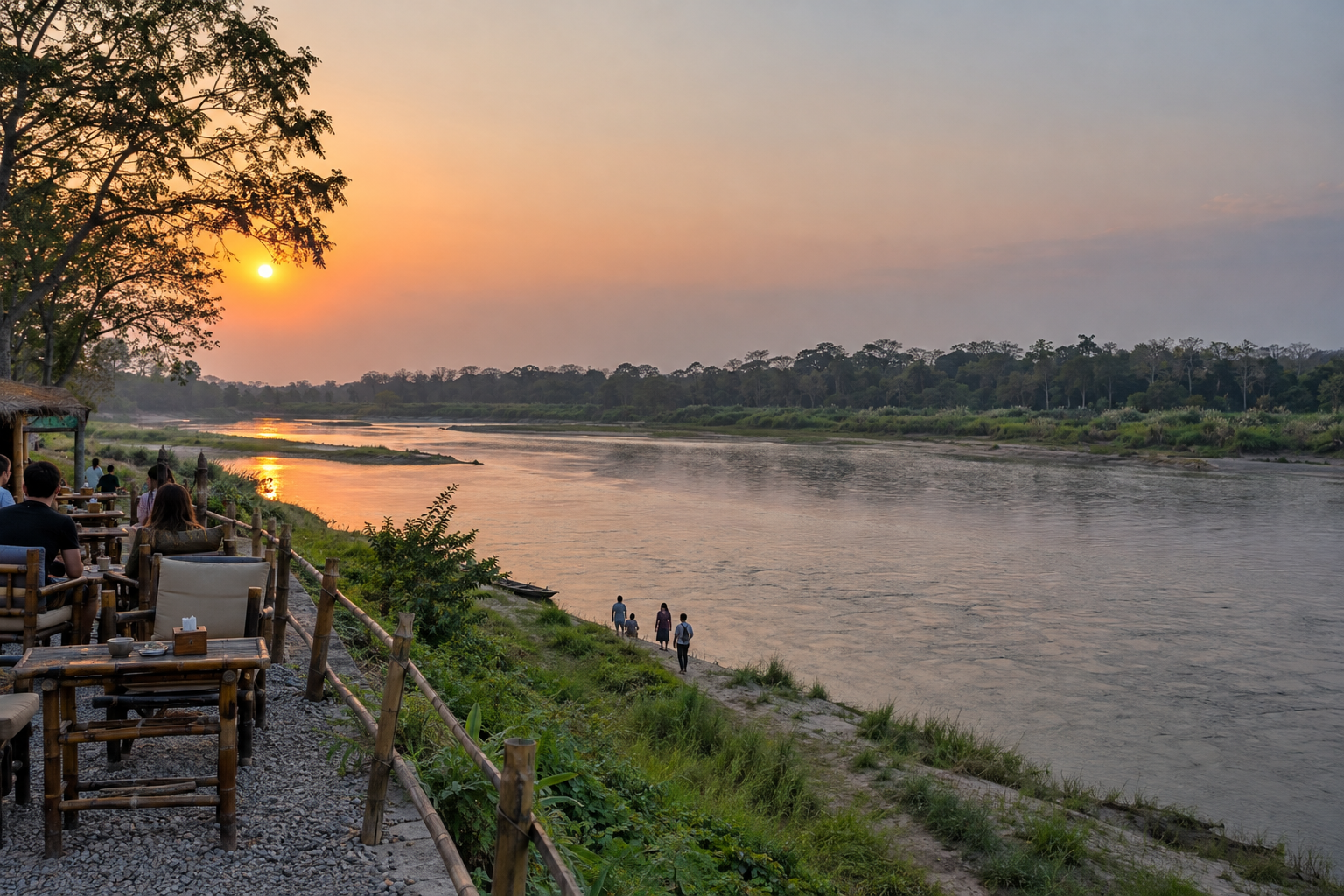
Chitwan’s landscapes are the reason visitors come; public financial records help explain how tourism revenue supports their protection. · AI-generated illustration
A park entry ticket is a small document with a big promise: tourism should help protect the place people have come to see. In Chitwan, that promise matters to forests, grasslands, wildlife and neighbouring communities. But a receipt proves that a payment was recorded, not that the same money bought patrol equipment or restored habitat.
Understanding Chitwan National Park entry fee conservation means following several connected accounts rather than imagining one pot of cash. Visitors can examine how revenue is recorded, how spending is authorised and what completed work looks like. The strongest evidence combines public documents with careful interviews.
Start by separating the payments
A visitor’s total tourism spending is not the park’s income. Accommodation, transport, guiding and privately operated activities usually involve separate businesses or organisations. Some activities may also carry official charges. A package invoice can combine these payments, making the park entry component hard to identify.
Ask for an itemised bill and the official entry receipt or permit. Note the issuing authority, payment category and receipt number. If the paperwork is unclear, ask the park office which charges it collects and which belong elsewhere. Fee schedules and payment procedures can change; check locally. The accountability question is not whether a holiday was expensive, but whether each payment reached its intended account.
Follow revenue before following expenditure
Entry fees form part of park revenue, but they are not necessarily its only source. Official records may also include other permits, concessions, fines or charges. Their treatment and classification should be checked in the relevant accounts rather than assumed from a headline total.
The next step is to ask how collections are deposited and reported through government accounting arrangements. Request the recorded entry-fee total separately from overall park revenue, using the same fiscal year. A rise in total collections does not automatically mean more visitors, better enforcement or larger conservation budgets. Different revenue categories can change for different reasons. Keep those distinctions visible throughout the investigation.
A ticket does not directly fund one patrol
Park management operates through approved budgets and public spending procedures. Revenue collection and expenditure authorisation are related, but they are not the same transaction. Without an explicit accounting link, it is misleading to say that a particular visitor’s ticket paid for a ranger, vehicle or grassland operation.
Ask for the park’s approved annual programme, budget allocation and actual expenditure statement. These show what was planned, what funding was authorised and what was spent. Also ask whether particular activities received support from conservation partners or other government bodies. Otherwise, an impressive project may be wrongly credited entirely to entry fees, while essential routine expenditure remains overlooked.
Understand the buffer-zone provision
Nepal’s National Parks and Wildlife Conservation Act provides for 30–50 per cent of a protected area’s income to support community development in its buffer zone. This is the central legal starting point for understanding revenue sharing around Chitwan. It is not proof that half of every entry ticket immediately reaches a neighbouring village.
To establish what happened in a particular year, check the applicable legal provisions alongside the approved amount, release records and recipient accounts. Ask which revenue figure was used in the calculation and whether funds arrived during that year or later. The percentage framework matters, but the documented transfer is what demonstrates that money actually moved.
Trace the community side of the ledger
Buffer-zone governance includes user groups, user committees and a management committee. These bodies connect local priorities with planning and funding decisions, although the precise route for a project should be confirmed from its records. Do not assume every settlement receives an equal allocation or that every committee handles money identically.
Request the annual plan, allocation decisions, meeting minutes and expenditure details for a selected project. Ask how priorities were proposed, who attended discussions and how residents could challenge a decision. Community development can support conservation by addressing local needs and building cooperation. Still, that connection should be explained through the project’s purpose and results, not treated as automatic.
Build a small, useful document trail
A focused request is easier to answer than a demand for every financial record. Choose one completed fiscal year and, if possible, one project funded through the revenue-sharing system. Useful documents include:
- Revenue statements: entry-fee collections and total recorded income.
- Budget documents: approved programmes, allocations and later revisions.
- Release records: dates, amounts and named recipients of transfers.
- Spending evidence: expenditure statements, procurement records and completion reports.
- Oversight records: audits, responses and relevant meeting minutes.
Start with the park office, the Department of National Parks and Wildlife Conservation and the relevant buffer-zone bodies. Ask each office which records it holds and who holds the rest.
Read the numbers on matching terms
Accounts can appear contradictory when they describe different things. An approved allocation is permission to spend; a release records funding made available; expenditure records spending. A project may have all three figures, and they may differ without indicating wrongdoing.
Check fiscal years, units, headings and whether figures are provisional or final. Nepal’s fiscal reporting period differs from the calendar year, so avoid comparing unlike periods. Ask whether an unspent balance was carried forward, returned or remained unavailable. When an office explains a mismatch, request the supporting entry or document. A clear reconciliation is more valuable than either a confident assurance or a dramatic accusation.
Use audits carefully
Nepal’s Office of the Auditor General publishes public audit reports that can help identify weaknesses in government financial management. Search for relevant protected-area institutions and the reporting period, but do not assume that every Chitwan transaction will appear in a publicly accessible summary.
An audit observation may concern missing documentation, procedure, recoverable money or another issue. It is not automatically evidence of theft. Read the wording, ask the responsible office for its response and check whether the matter was later resolved. Likewise, the absence of a named finding does not prove that every project delivered good conservation results. Financial compliance and environmental effectiveness are different tests.
Interview people across the chain
Speak with the park’s accounts staff about collection and transfers, and with management or technical staff about programme choices. Ask buffer-zone representatives how allocations become projects. Then speak with residents, including people who did not sit on the deciding committee.
Use concrete questions: Which document records this payment? Who approved this activity? What was completed? What changed from the original plan? Ask a contractor or implementing group about any discrepancy affecting its work. Record interview dates and distinguish personal recollection from documentary evidence. Before publishing criticism, give the relevant institution a fair chance to respond to the specific finding, not merely a broad allegation.
Check what spending achieved
A paid invoice shows a transaction, not necessarily a useful outcome. For habitat work, ask what area was treated, what method was used and whether follow-up monitoring exists. For equipment, ask whether it was delivered, recorded and put into service. Avoid seeking sensitive patrol routes or operational details.
With permission, visit a publicly accessible project site and compare conditions with its completion report. Speak to intended users about functionality and maintenance. Tourism revenue may contribute to conservation alongside staff effort, public funding and partner support. Credit should reflect that shared contribution. A wildlife sighting or a single population estimate cannot establish that one spending decision caused success.
What a visitor can reasonably conclude
If records are not online, ask the institution’s information officer about access under Nepal’s Right to Information framework. Formal eligibility and procedures matter, especially for foreign visitors; check locally rather than assuming identical access for everyone.
A credible conclusion may be modest: collections were recorded, a transfer was documented and a project was completed, while its longer-term benefits remain uncertain. That is more useful than claiming every rupee saved wildlife. Accountability grows when offices publish comparable figures, communities can question decisions and visitors reward evidence over slogans. The ticket is the beginning of that inquiry, not its answer.