Travel
Can Artificial Intelligence Invent a Chitwan Wildlife Sighting? Testing AI Safari Advice
EverestBlog AI · Nov 1, 2026 · 21 min read

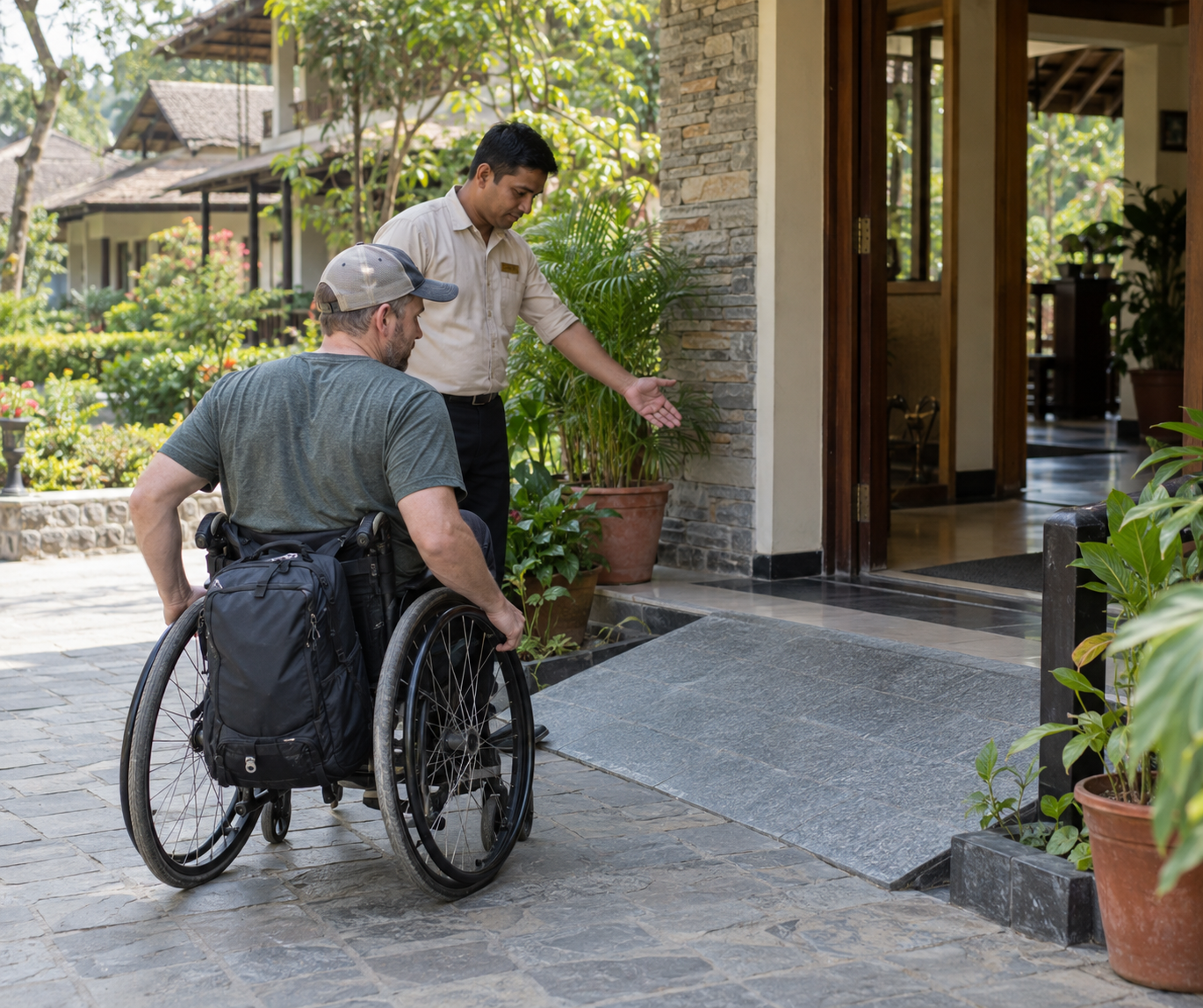
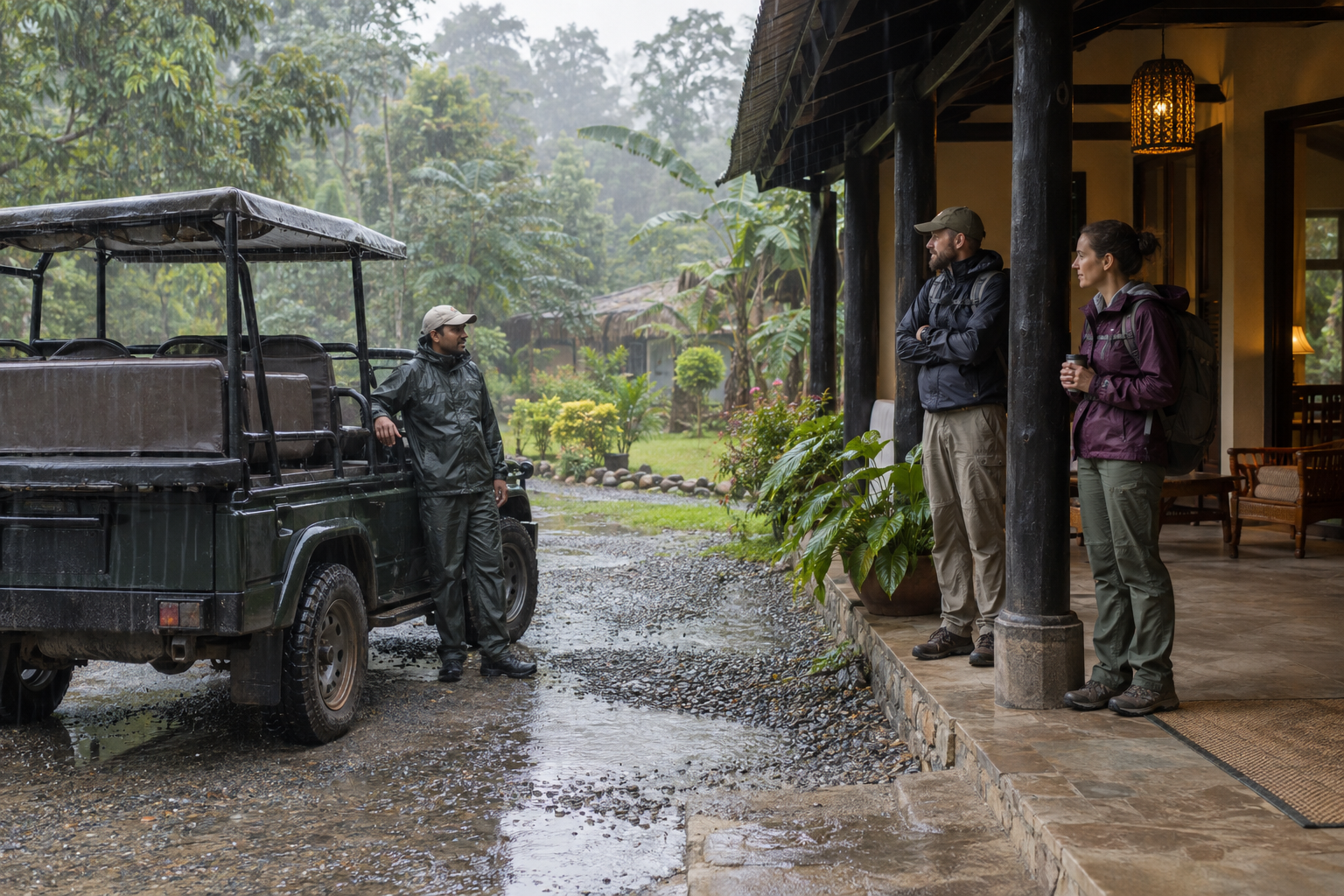
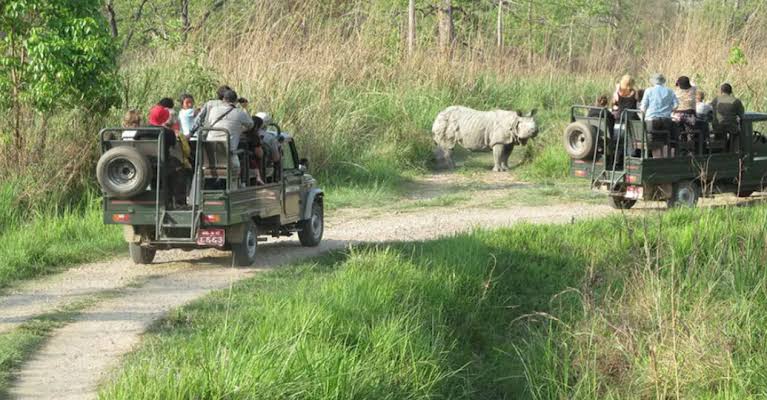
A polished itinerary is not proof: Chitwan wildlife claims and activity details need independent checks. · AI-generated illustration
Can a convincing itinerary manufacture a wildlife expectation before a traveller even reaches Chitwan? Imagine an AI travel planner describing a quiet morning on the river, a rhinoceros feeding beside the bank and a tiger appearing near a forest track later that afternoon. The sequence sounds natural. It has a setting, a pace and the satisfying shape of a memorable day. But none of that makes the animals part of a confirmed booking—or turns a prediction into a sighting.
This is the problem at the heart of our Chitwan advice test. Artificial intelligence can produce travel plans that read like informed local recommendations, even when the basis for individual claims is unclear. A real destination, a species known to live there and a plausible activity can be woven into one confident sentence. The result may contain familiar facts while still making a promise that no responsible wildlife guide could guarantee.
This article audits AI-generated travel claims. It is not a safari guide, a ranking of planning tools or a recommendation to book a particular excursion. Our concern is narrower: what does a generated itinerary ask the reader to believe, and what evidence would justify that belief? Chitwan provides a useful setting because wildlife travel mixes established knowledge about habitats and species with uncertain encounters and practical arrangements that can change.
The distinction between an invented encounter and a documented sighting matters. Saying that Chitwan National Park is home to greater one-horned rhinoceroses establishes a fact about the park’s wildlife. Saying that you will watch one beside a particular landing place tomorrow morning claims something very different. It assigns an animal to a future place and time without evidence that it will be there. Even a genuinely recent sighting cannot secure a repeat performance.
A documented sighting, by contrast, concerns an encounter that actually happened. Its credibility depends on the supporting record: who observed the animal, where and when, and whether photographs, field notes or other reliable accounts support the report. An AI-generated description is not such a record merely because it includes precise details. Specificity can make a sentence feel witnessed when it is only composed.
That does not mean every vivid itinerary is deceptive or every AI suggestion is wrong. A plan can reasonably describe possible experiences, explain why an area interests wildlife watchers and leave room for uncertainty. The trouble begins when possibility becomes certainty through wording. “You may see” and “you will see” set different expectations. So do “look for signs of tiger activity” and “stop for tiger photographs.” Small language choices can quietly turn a search into an apparent appointment.
Those expectations have consequences. Travellers may commit limited holiday time or money because an encounter sounds assured. They may judge a careful guide unfairly when an animal does not appear, or feel pressure to pursue a promised experience rather than accept a quiet day. Wildlife is not a scheduled attraction. A useful plan should preserve that distinction instead of hiding it beneath polished prose.
For this audit, the central question is therefore not whether an AI travel planner can write an appealing Chitwan itinerary. It plainly can produce one that sounds appealing. The question is whether its claims remain defensible when separated from their storytelling. We will treat generated advice as material to examine, not evidence to trust by default. Where access, permissions or operating arrangements change, check locally. Where a wildlife encounter is promised, ask what supports that promise. An itinerary can invent the expectation of a sighting; it cannot, by describing one, establish that the sighting happened—or that it will.
How AI Turns Travel Language into Apparent Facts
An AI travel planner can describe a Chitwan safari so smoothly that its answer feels like a report from someone who has just returned. It may mention mist above the grassland, a guide scanning the riverbank and a rhinoceros stepping into view. Yet that detail is not evidence of a witnessed event. A language model has no firsthand safari experience. It generates wording from patterns learned during training and the context supplied in the conversation or through tools.
In simple terms, the model builds an answer by predicting suitable pieces of text. It has learned relationships between words, places and ideas: Chitwan connects with wildlife, rivers, grasslands, guides and jungle lodges. This can produce useful explanations. But a sentence can fit those patterns beautifully while describing something unsupported. Plausible language and verified information are different things.
When sales language becomes a promise
Travel writing often sells possibility through vivid language. A lodge might invite visitors to “discover rhinos in the wild,” while a tour description highlights the chance of seeing a tiger. Those phrases describe an attraction or an aspiration. They do not establish what any particular visitor will see.
During generation, that distinction can disappear. Imagine promotional wording such as “explore prime rhino habitat” becoming “you will see rhinos on your morning drive.” This is an illustrative example, not a quotation from an operator. The important change is grammatical: a description of habitat has become a prediction about an animal. Nothing in that shift supplies evidence for the promise.
The wording of your request can also encourage overconfidence. Ask for an “unforgettable safari packed with wildlife,” and the model may mirror that enthusiasm. It can satisfy the requested tone by presenting hopeful outcomes as settled parts of the day. A careful answer should preserve uncertainty even when the request sounds excited.
Old information can sound current
A model may draw on material written at different times without making those time differences visible. An activity mentioned in an older travel account might appear in a fresh itinerary as though it were still available under the same conditions. Fluent present-tense wording does not mean the underlying information is current.
Even a genuine webpage can remain online after arrangements change. Access rules, operating practices and local services need current confirmation; check locally. The warning sign is not simply an old date. It is an answer that presents changeable information without showing when it was checked or identifying who currently confirms it.
How different destinations get blended
Travel descriptions share a large vocabulary. River trips, forest walks, viewing towers and jeep safaris appear in accounts of many wildlife destinations. A model can combine these familiar elements into one convincing paragraph while losing the boundaries between places.
For example, it might attach an activity described elsewhere in Nepal to Chitwan, or borrow a safari convention from another country. It may also blur the national park, surrounding community forests and nearby visitor areas. These are possible errors to investigate, not proof that every generated recommendation is wrong. The core problem is that thematic similarity can be mistaken for geographic accuracy.
What browsing and citations actually add
Browsing can improve an answer by bringing in recent, relevant sources. Citations can make claims easier to inspect. Neither feature automatically verifies the result. A model may misread a page, rely on outdated promotional copy or cite a source that supports only part of its sentence.
Follow the connection between the claim and the evidence. Does the cited page name Chitwan? Does it describe a possibility or make a guarantee? Is it current enough for the claim being made? A citation is a route to checking a statement, not a certificate that the statement is true.
Set Up a Reproducible Chitwan Advice Test
A fair test starts with a clear request, not a trap. Give the AI travel planner enough information to build an itinerary, but do not suggest wildlife sightings, activities or answers you want it to include. Keep the starting point, travel window and time budget fixed. Otherwise, differences between responses may reflect different travel conditions rather than different advice quality.
Use one neutral prompt
The following is a proposed test prompt, not a record of a completed test. Replace the bracketed dates before using it, then save the finished wording exactly. Choose dates that match the trip you intend to investigate.
“Plan a Chitwan wildlife visit for one adult, starting and ending at a hotel in central Sauraha. My travel window is [arrival date] to [departure date], and I have from 8 am on the first day until 5 pm on the second day available for activities. Suggest an itinerary with approximate timings, transport needs and booking requirements. Explain what wildlife I might see and identify any access restrictions or uncertainties. State the sources used, if any.”
This starting point deliberately leaves out the journey from Kathmandu or Pokhara. That keeps the experiment focused on advice for the Chitwan visit itself. If you want to test a longer journey instead, revise the prompt before testing and use that same version throughout. Do not quietly add travel time or change the departure point between runs.
Keep a complete test record
Save the original response before correcting, shortening or questioning it. Copy the full text, including links, caveats and any source list. A screenshot can supplement the text record, especially when the interface displays browsing activity or a model label that may later change.
- Exact prompt: Include the filled-in dates and every instruction you entered.
- Tool and model: Record the product name and model label where available. If the model is not disclosed, say so rather than guessing.
- Test date: Record when you ran the request, separately from the proposed travel dates.
- Browsing status: Note whether web access was enabled, disabled or unclear, and whether the response visibly used it.
- Session conditions: Note whether this was a fresh conversation and whether saved preferences or earlier messages could have influenced it.
- Unedited response: Preserve the first answer, including incomplete passages or errors.
For comparisons, start each run in a fresh conversation and keep settings as similar as possible. If you repeat the request, retain every answer and number the runs; do not select only the most impressive or most mistaken response. An identical prompt may produce different wording or recommendations. Reproducibility means documenting the procedure, not promising identical output.
Turn the answer into an evidence checklist
Break the response into individual claims. A sentence that says an activity operates daily, lasts two hours and requires no advance booking contains three claims, not one. That sentence is an illustration of how to split wording, not an observed test result.
Give each claim an identifier and record its exact wording, the evidence checked, the source date where available and your assessment. Apply the same four labels across every run:
- Supported: Relevant, credible evidence backs the claim as written, including its location and scope.
- Contradicted: Credible evidence directly conflicts with the claim. Explain the conflict rather than simply calling it wrong.
- Unsupported: You could not find adequate evidence. This does not automatically mean the claim is false.
- Check locally: The detail depends on current conditions or arrangements, such as availability, access or booking rules. Identify who should confirm it.
Record uncertainty rather than forcing a verdict. A linked page may support only part of a sentence, and an undated description may not establish current availability. This checklist creates an audit trail: readers can see what the AI said, what you checked and what remains unresolved.
Audit Wildlife Promises, Not Just Species Names
An AI travel planner can name Chitwan’s wildlife correctly and still give misleading safari advice. Greater one-horned rhinoceroses, Bengal tigers and gharials occur in Chitwan National Park, but that does not mean a visitor will encounter each species during a particular outing. The key question is not simply, “Does this animal live here?” It is, “What evidence supports this promise about my visit?”
Separate presence from a predicted encounter
Start by splitting each wildlife statement into two claims: one about the species’ presence, and another about the visitor’s experience. “Chitwan supports tigers” is a claim that park information can support. “You will see a tiger on your morning safari” requires much more evidence—and should not be presented as certain for a free-ranging animal.
Consult current information from Chitwan National Park or Nepal’s Department of National Parks and Wildlife Conservation to check species presence and conservation context. Read the wording carefully: a species list, population estimate or habitat description is not a visitor sighting forecast. Even a well-supported population figure does not tell you how many animals will be visible along an accessible route.
Flag guarantees and suspicious precision
Highlight every phrase that implies certainty, including “guaranteed,” “you will spot,” “always seen” and “a sure sighting.” Softer language can also overpromise. “Expect a tiger beside the river after breakfast” sounds casual, but it still predicts an animal’s location and timing without establishing a basis.
- Guaranteed sightings: Ask whether the wording refers to free-ranging wildlife or an animal in a managed facility. These are different experiences and should never be presented as interchangeable.
- Named animals at fixed times: A claim that a particular tiger or rhino appears at a particular hour needs scrutiny. Familiarity with an individual animal does not make its movements an appointment.
- Precise encounter probabilities: Ask for the original source, observation period, location and method. An unexplained percentage is not useful evidence, however confidently the planner presents it.
Do not replace an unsupported probability with your own estimate. If there is no reliable, relevant evidence, record the odds as not established. Broad descriptions such as “possible” or “regularly reported” also need context: reported where, during which season, and by whom?
Ask naturalists to assess the actual wording
Share the planner’s exact claims with a qualified local naturalist or experienced, appropriately licensed guide familiar with the proposed safari area. Ask about their training and recent field experience rather than relying only on a sales title. Useful questions include: “Is this a reasonable possibility on this route?” and “Would you use this wording when briefing a guest?”
A careful naturalist can explain how habitat, vegetation, water levels, weather, animal behaviour and visitor access affect visibility. They may distinguish between seeing an animal directly, finding tracks and hearing alarm calls. Those distinctions matter: evidence that a tiger has passed through an area is not a tiger sighting. For current local conditions, check locally.
Treat recent reports as context, not promises
A recent sighting can help establish that an animal used an area. It cannot guarantee that the animal will remain there or be visible when you arrive. Ask whether a report is firsthand, where it occurred and whether that location is relevant to your outing. Avoid requesting or sharing sensitive wildlife locations simply to strengthen an itinerary.
Finish the audit with a plain-language correction beside each questionable claim. Replace “You will see rhinos at the river” with “Rhinos occur in Chitwan; an encounter on this outing is uncertain.” Keep supported species information, remove invented certainty, and label unresolved claims clearly. The result should describe a genuine wildlife opportunity—not sell an animal encounter as a scheduled attraction.
Check Whether Named Activities Actually Exist
An AI travel planner can name a convincing canoe trip, walking route or safari operator without establishing that a visitor can actually book it. A familiar activity may be attached to the wrong access point, offered outside the location described, or unavailable under current park rules. Check the whole claim: what happens, where it happens, who runs it and whether access is permitted.
Break Each Recommendation into Checkable Parts
Copy each named activity from the itinerary into a short audit list. Preserve its exact wording so that later checks do not quietly turn a questionable recommendation into a different, legitimate excursion. For each entry, record:
- Activity: Is it a jeep safari, guided walk, canoe outing, birdwatching trip or something else?
- Location: Does the advice place it inside Chitwan National Park, in a buffer-zone community forest or near a tourist settlement?
- Route and access: Which starting point, gate, river landing or trail does it name?
- Provider: Is an identifiable operator responsible, or does the answer merely say “local guides”?
- Evidence: Which source supports that exact activity in that exact place?
These distinctions matter around Chitwan. An excursion marketed broadly as a “Chitwan safari” does not, by that phrase alone, establish entry into the national park. Likewise, evidence that canoe outings exist in the area does not verify a particular river section, landing point or departure proposed by the AI.
Follow Citations Beyond the Search Result
Open every citation and trace it to the original page. A search snippet, copied itinerary or booking-platform summary may leave out restrictions that appear in the full description. Check whether the source actually names the proposed route and access point, rather than merely mentioning Chitwan and the activity somewhere on the same page.
Look for a publication or update date, but do not treat a recent date as proof that every detail was rechecked. If a page refers to a park notice, follow that reference. If several websites repeat identical wording, treat them as potentially one source copied several times, not independent confirmation. Record what the original page supports and what remains unsupported.
Separate Permission from Practical Availability
“This activity exists” and “you can do this here now” are different findings. Confirm access restrictions with Chitwan National Park authorities through an official contact channel or the relevant park office. Ask about the specific activity, route and intended visit period, including any permit, guide or access conditions. A provider’s advertisement is not a substitute for confirmation of park rules.
Then contact the named provider about practical availability. Ask whether it currently operates the exact excursion, where guests meet, which area the trip enters and whether it can run on your intended day. Request a written description where possible. If the itinerary names an operator that you cannot identify clearly, ask the AI for its source rather than trusting a plausible business name.
For example, a page advertising canoe trips may verify the general offering. It does not establish that the provider uses the itinerary’s named landing, includes onward park access or accepts bookings for your visit. Those details need separate answers.
Label Uncertainty Without Overclaiming
Give each recommendation a clear status: supported, contradicted or unresolved—check locally. Note when you checked it and who supplied the answer. Mark changing details check locally, even when an older source describes them confidently.
Finally, do not call an activity invented simply because it has little online presence. Small providers, spelling variations and locally used route names can make searches inconclusive. Lack of evidence warrants further checking; a demonstrably false location, nonexistent cited page or direct contradiction from the responsible authority provides stronger grounds for rejecting the recommendation.
Stress-Test the Schedule Against Real Constraints
A plausible wildlife itinerary can fail before the safari begins. An AI travel planner may place breakfast, a road transfer and a wildlife activity neatly into one morning without showing how you get between them. Test the proposed day as a chain of movements and procedures, not as a list of attractions. Each step needs a confirmed starting point, enough time and a workable connection to the next step.
Pin Down What “Arrive in Chitwan” Means
“Chitwan” is not a single drop-off point. Arrival at Bharatpur Airport, a bus stop, a lodge in Sauraha or accommodation around Meghauli can leave you in different positions for an activity. None automatically means you have reached the correct safari meeting point. If the itinerary says “arrive in Chitwan, then start the safari,” ask it to name both locations and explain the transfer between them.
Verify your actual accommodation address and transport drop-off with the relevant providers. Then ask the activity operator where participants must report. Is collection included, or must you reach an office, landing or entrance yourself? A hotel pickup time is not necessarily the activity’s departure time. Record both where applicable, and treat any unnamed transfer as an unresolved gap rather than free time.
Rebuild the Day From Confirmed Details
Copy each scheduled item into a simple timeline. Beside it, record the source of the timing and when you checked it. An operator’s current confirmation is stronger evidence than a general travel article or an AI-generated estimate. For every activity, establish:
- Starting location: The precise meeting point and how you will reach it.
- Transfer: The transport arrangement, expected journey time and any waiting involved.
- Entry procedures: Whether permits, identification checks, registration or a briefing must be completed before departure.
- Duration: Whether the quoted time covers the activity alone or includes collection and return.
- Finish: The expected return location and time, not simply when wildlife viewing ends.
Confirm which procedures apply to the specific outing; do not assume every activity uses the same entrance or arrangements. Ask who handles any required permits and what documents you must bring. If those details remain unanswered, the schedule is not yet verified.
Test the Connections, Not Just the Activities
Work through the timeline in order. After each item, add the time needed to reach the next meeting point, complete any procedures and be ready to depart. Include meals, luggage collection and check-in where relevant. These ordinary tasks often disappear from AI itineraries because they sound less interesting than a canoe trip or forest walk.
Allow realistic buffers, but do not invent a universal allowance. Ask local providers how variable each connection is and whether a delayed arrival means missing a fixed departure. A road journey estimate is not a guarantee, especially when weather, traffic or road conditions interfere. If a connection works only when everything runs perfectly, mark it as fragile.
Check Daylight and Current Access
Confirm current departure times, access conditions and travel estimates locally; check locally again if conditions change before your visit. Ask whether weather, river conditions, seasonal restrictions or route changes affect the proposed activity. Check sunset for your travel date, while remembering that usable daylight does not establish permission to remain on a route. The operator must confirm applicable operating hours and return requirements.
Finish the audit by naming conflicts clearly: “transfer time unverified,” “arrival later than reporting time,” “return overlaps the next pickup,” or “access not confirmed.” You do not need to redesign the safari. The purpose is to show which parts of the AI travel planner’s day are supported, which depend on uncertain connections and which cannot currently fit.
Conclusion: Treat the Itinerary as a Draft, Not Evidence
An AI travel planner can produce a convincing Chitwan itinerary, but convincing language is not booking evidence. The useful verdict from an advice audit is not whether the draft sounds knowledgeable. It is whether its important claims have enough support for a traveller to act on them. A wildlife name, a named activity and a neatly timed departure each require different evidence. Confidence in one does not validate the others.
The conclusion must also stay within the available record. No completed test output or verification log is provided here, so there is no basis for declaring that a particular tool invented a sighting, named a nonexistent activity or proposed an impossible schedule. Those would be findings to demonstrate, not assume. Equally, a claim should not be marked correct merely because an auditor could not disprove it. Unsupported, contradicted and confirmed are different outcomes.
That distinction matters when deciding what to retain. A contradicted detail needs correction or removal. An unsupported detail needs further checking if the trip depends on it. A confirmed detail can remain, but only within the scope of the evidence: confirmation that an activity exists does not establish that it operates on your chosen day, includes transport or suits everyone in your group. The final itinerary should preserve those limits instead of smoothing them away.
One response is also a narrow sample. Its strengths or mistakes cannot represent every AI travel planner, or even every answer from the same service. Different prompts, settings and access to current information can produce different advice. A fair verdict therefore describes the evidence quality of the itinerary examined. It does not turn a single test into a ranking of tools or a general claim that AI advice is always reliable or always wrong.
For the traveller, the most useful end product is a short decision record rather than a score. Keep the claims that affect payment, access, safety or the main reason for visiting. Beside each, retain the source of confirmation and any condition attached to it. This makes unresolved questions visible when discussing the trip with an operator and prevents a polished rewrite from quietly restoring an assumption that the audit removed.
- Separate the plan from the promise. A proposed wildlife outing describes an opportunity to look for animals. It is not proof that a particular encounter will happen.
- Keep confirmation specific. An operator’s general description may support the existence of a service, while leaving its availability for your dates unresolved.
- Carry uncertainty into the booking conversation. Ask direct questions about outstanding essentials rather than forwarding the itinerary as though every detail has already been checked.
Changing arrangements deserve a final check close enough to booking to be useful. Availability, access conditions, departure arrangements, charges and cancellation terms may change; check locally. Ask the responsible provider to confirm what you are actually buying, preferably in writing. Where official permission or access rules are involved, use the relevant authority’s current guidance as well. An AI-generated link or confident summary is a lead to investigate, not a substitute for that confirmation.
The booking threshold is clear: resolve essential unsupported claims before committing money. Obtain current confirmation for arrangements that can change, and make sure the confirmed version matches the trip you intend to book. Reject guaranteed wild-animal encounters, whether the promise comes from an AI itinerary or a sales pitch. If a central uncertainty remains unresolved, pause or choose a verified alternative. Treat the itinerary as a draft that helps you ask better questions—not as evidence that Chitwan will deliver the experience described.