Conservation11 min read
Who Decides When Chitwan’s Grasslands Are Cut?
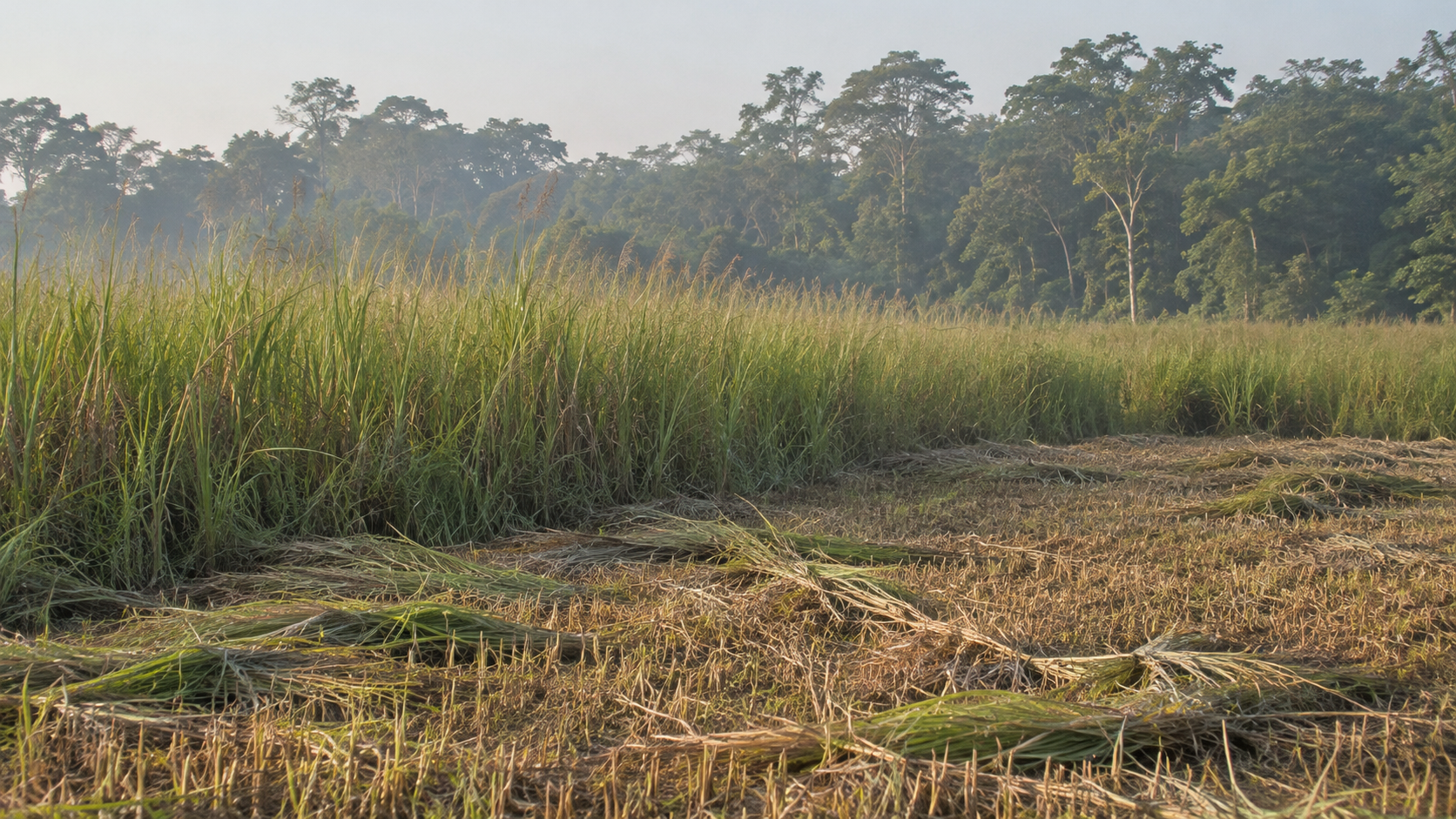
Cutting a grassland changes more than its height: it affects shelter, feeding areas and the work of protecting habitat. This investigation follows how Chitwan’s cutting schedules are agreed, which competing needs shape them, and what evidence managers use to judge the results.
Wildlife7 min read
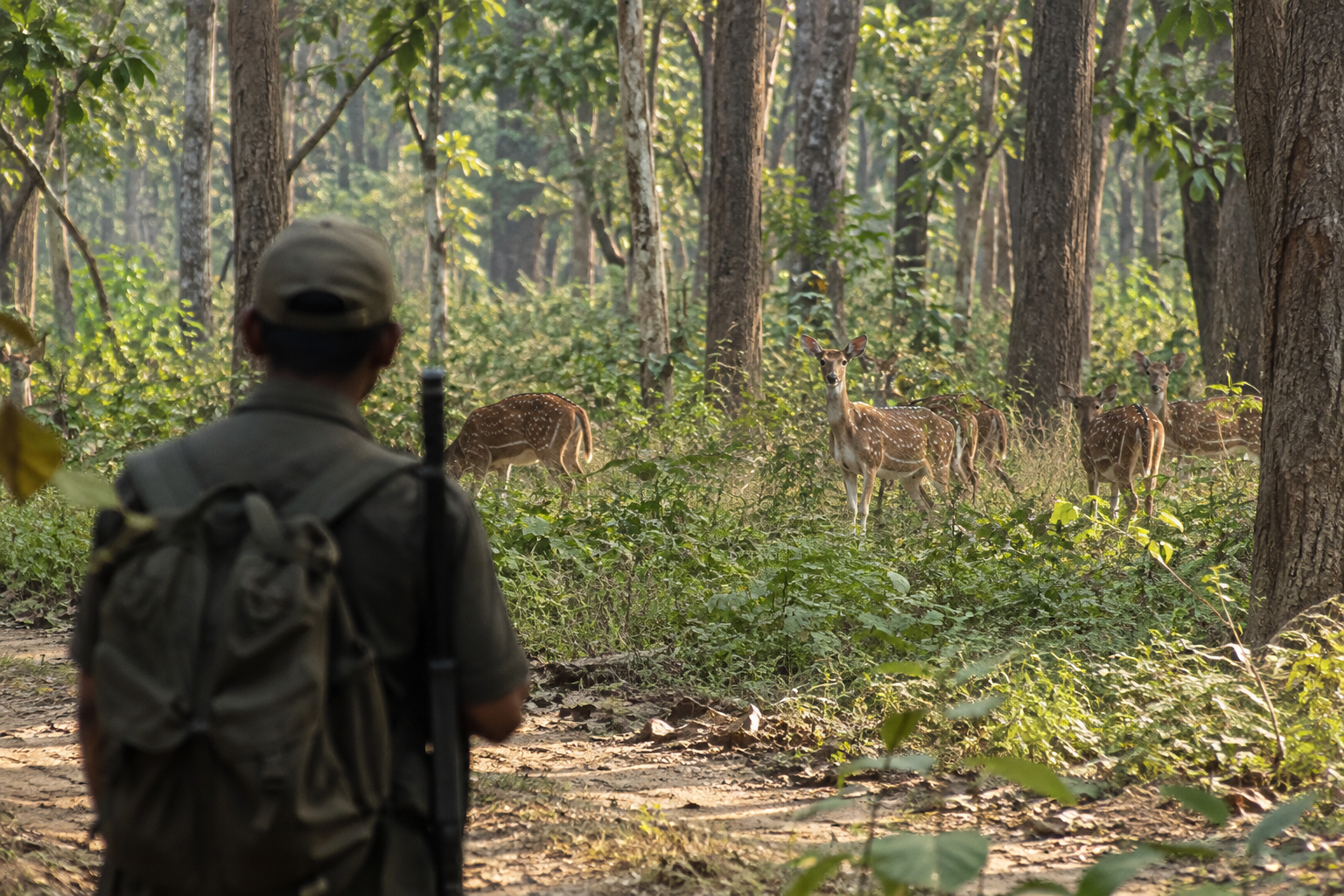
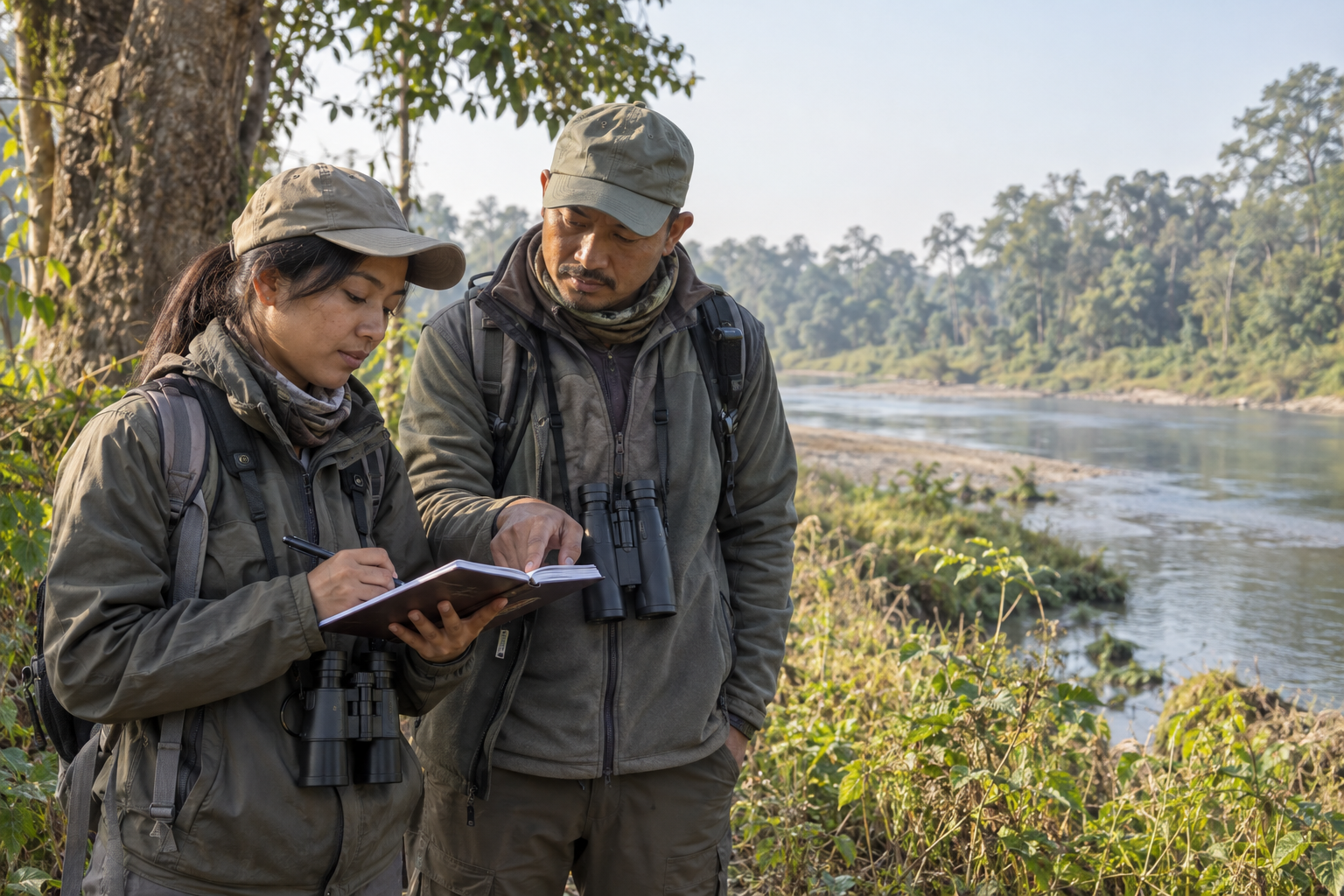
What Does an Alarm Call Tell You? Listening to Chitwan Without Promising a Tiger
Chitwan wildlife alarm calls can draw attention to a disturbance, but they cannot promise a tiger sighting. Through annotated field observations, this feature explores how guides listen for clues while keeping what they hear separate from what they can confirm.
Travel21 min read
Can Artificial Intelligence Invent a Chitwan Wildlife Sighting? Testing AI Safari Advice
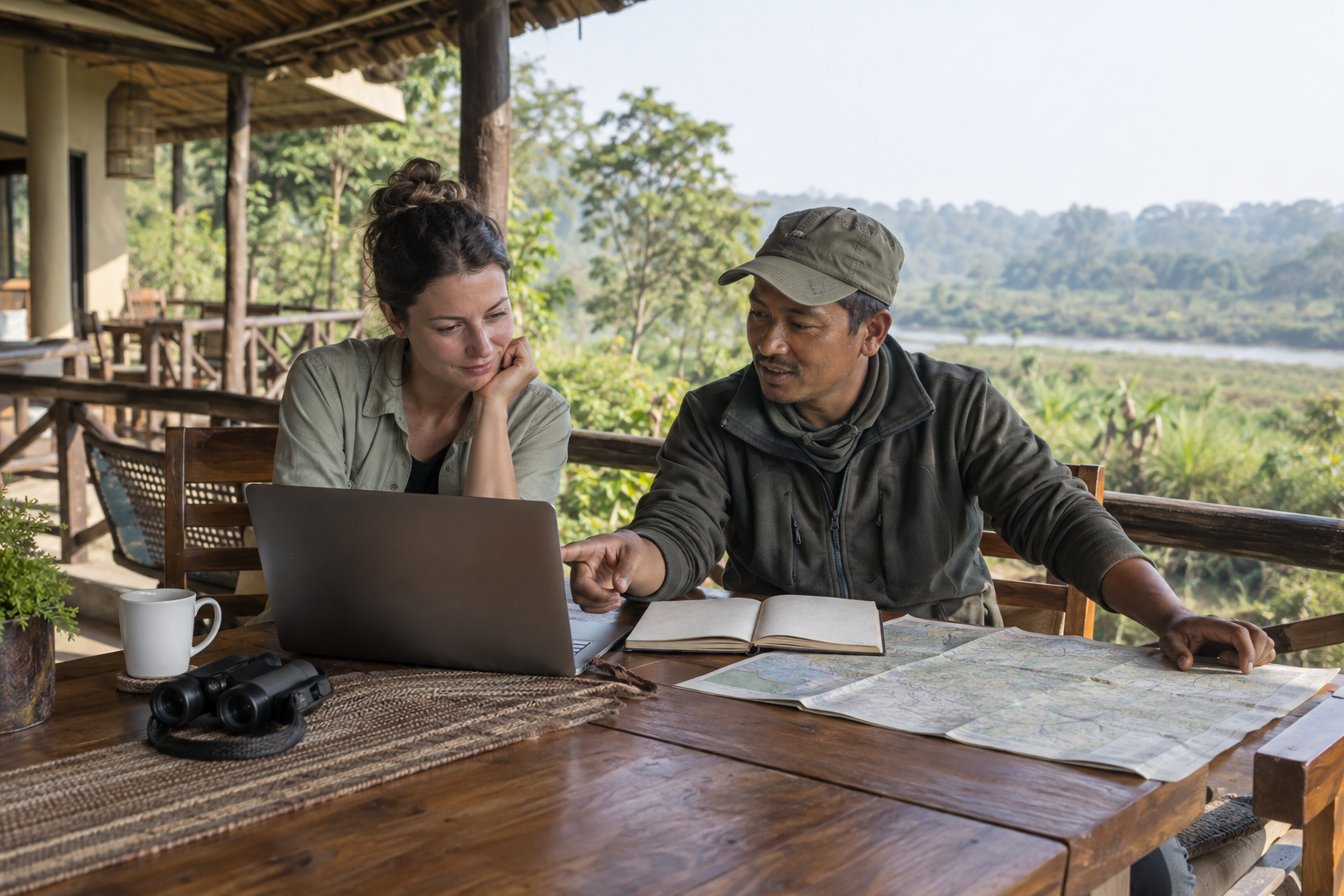
An AI travel planner can turn a possible wildlife encounter into a confident promise, or fit an impossible safari into a tidy schedule. This article sets out how to audit Chitwan advice, trace its claims and verify the details before booking.
Wildlife16 min read
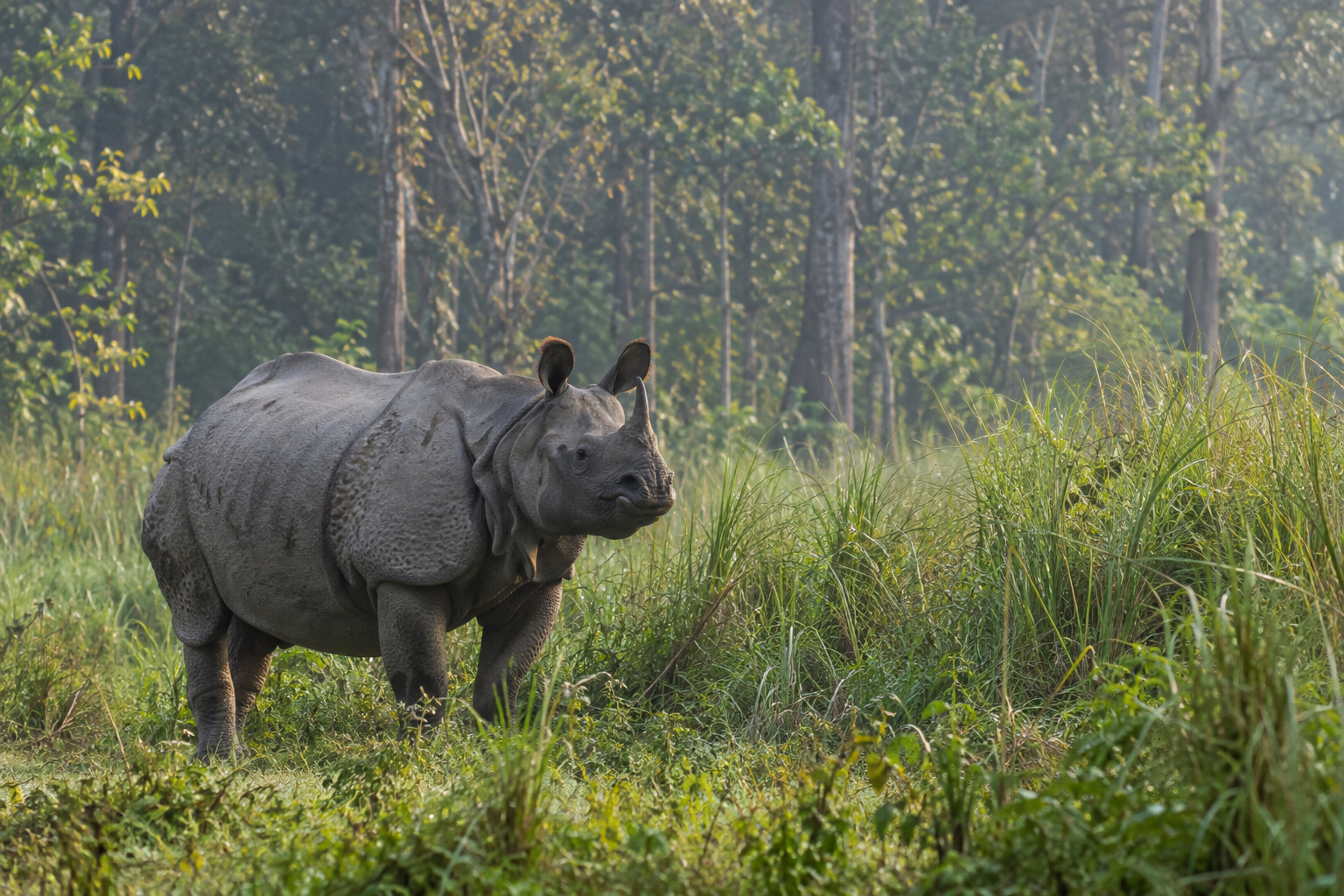
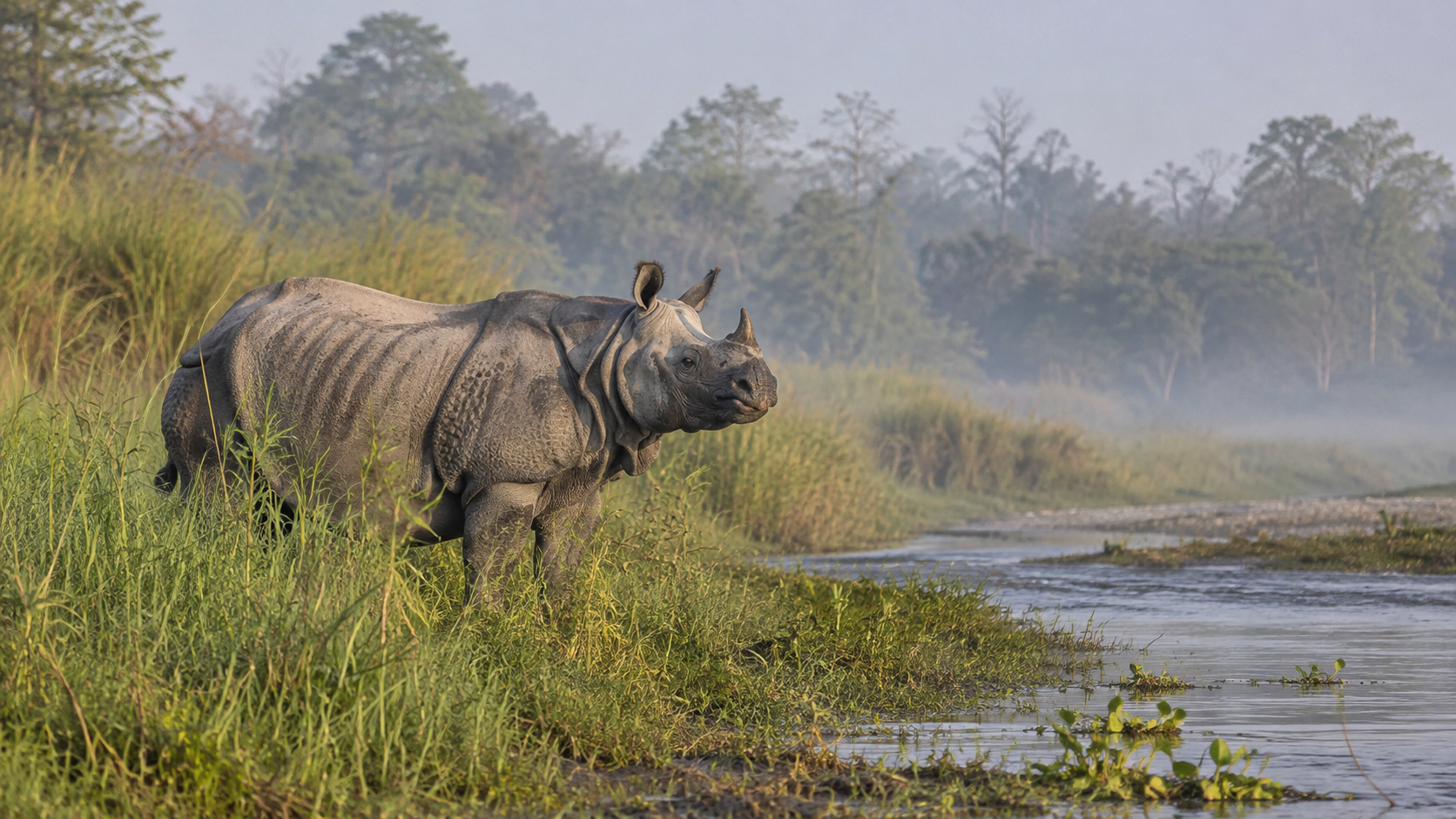
More Than a Mud Bath: What Do Rhino Wallows Do for Chitwan’s Landscape?
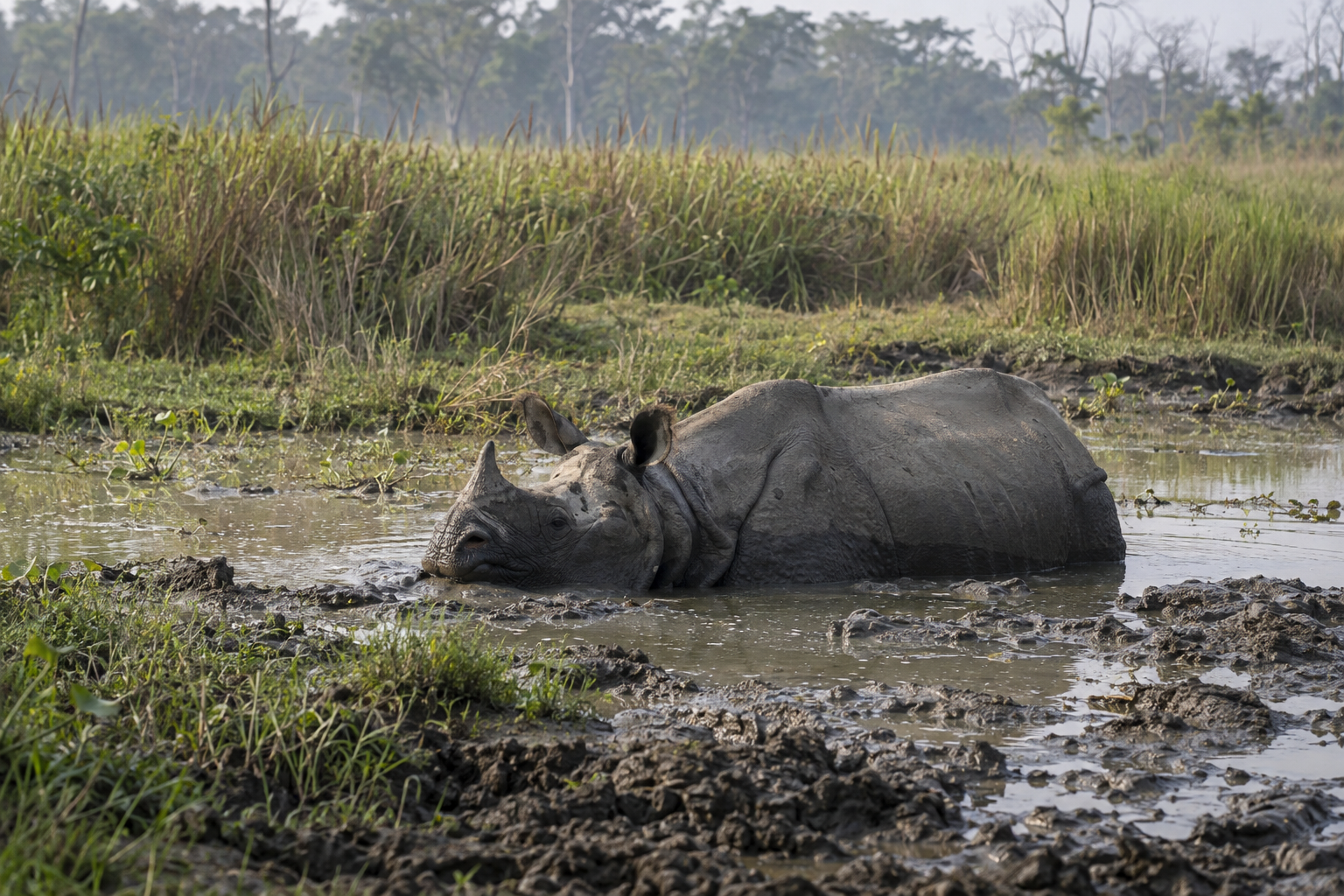
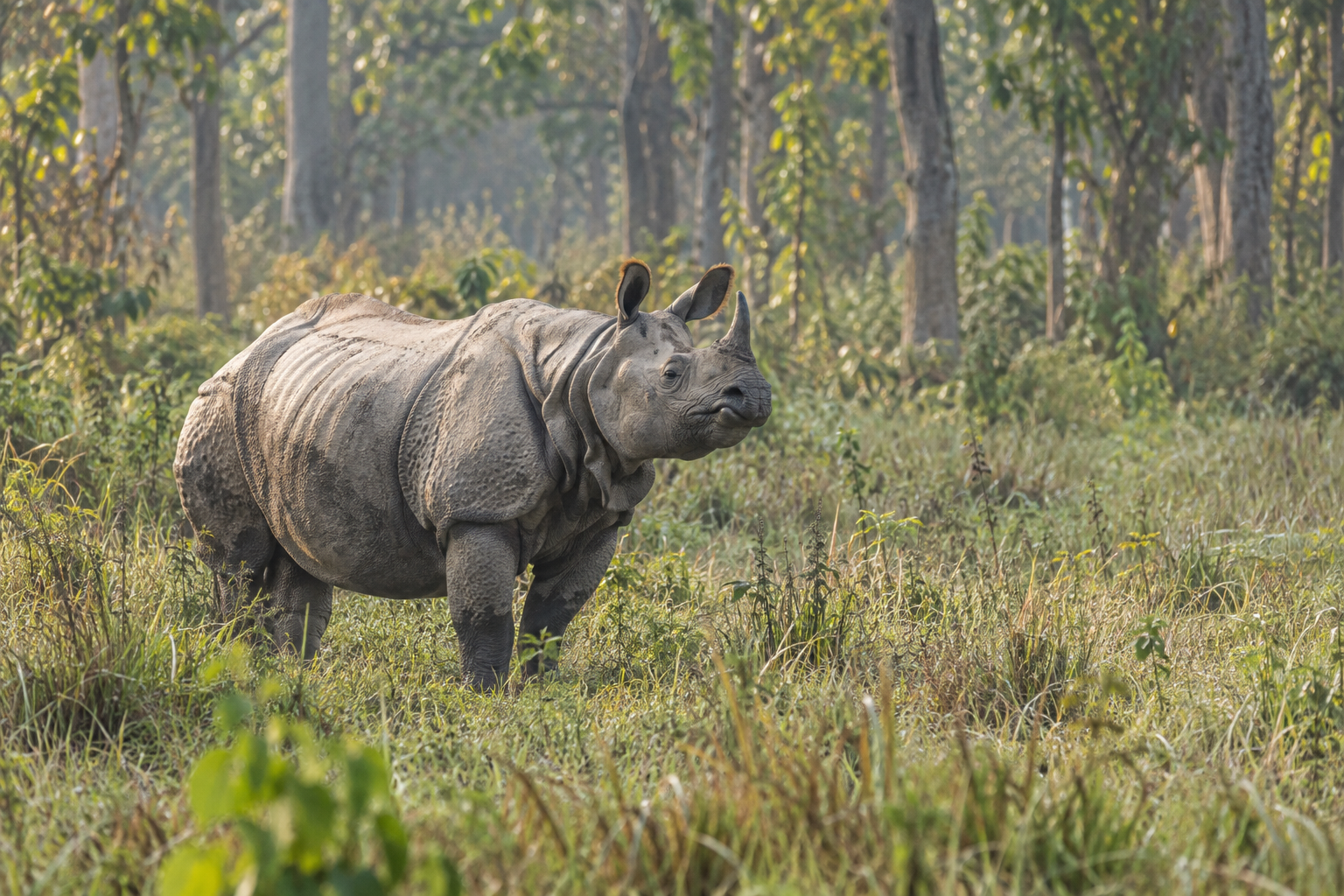
Rhino wallows in Chitwan are more than places where greater one-horned rhinos cool off. This article explores how repeated use may reshape soil, vegetation and standing water, separating documented local observations from questions that still need fieldwork.
Wildlife11 min read
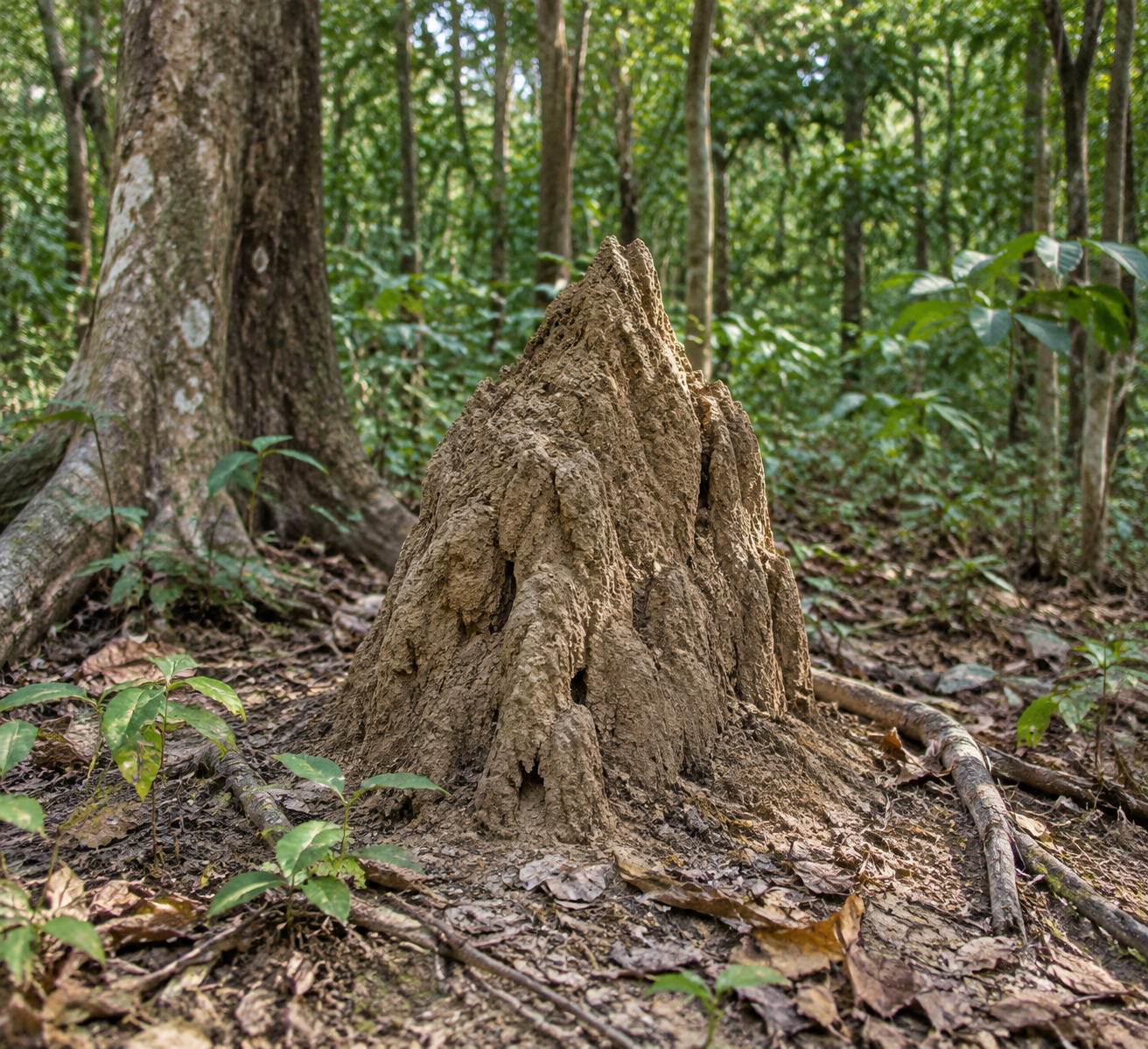
Chitwan’s Termite Mounds: What Can They Tell Us About Life Beneath the Forest?
A termite mound can offer clues to the hidden work of moving soil and building underground spaces, but its appearance alone cannot confirm a living colony. This ground-level investigation follows termites in Chitwan through field observations and questions for researchers, exploring what local evidence can reveal about their role as soil engineers.
Digital Life7 min read
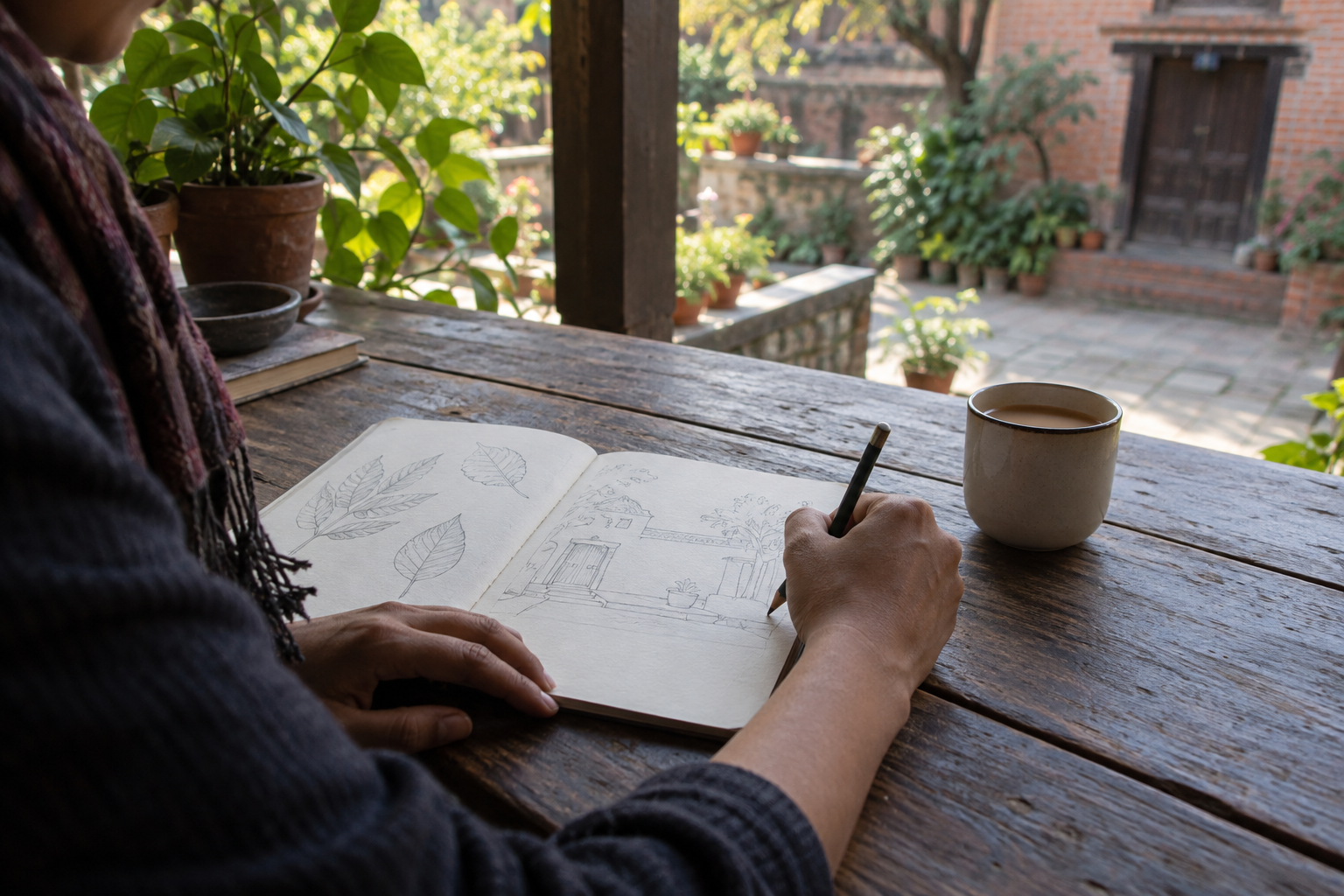
Beyond the Digital: Ideas Beyond Technology — by Himal Shahi Thakuri: An Offline Ideas Notebook
A notebook, a careful look and a good conversation can offer fresh starting points for ideas. Explore practical creative thinking exercises inspired by everyday nature and culture in Nepal, without reaching for an app.
Conservation21 min read
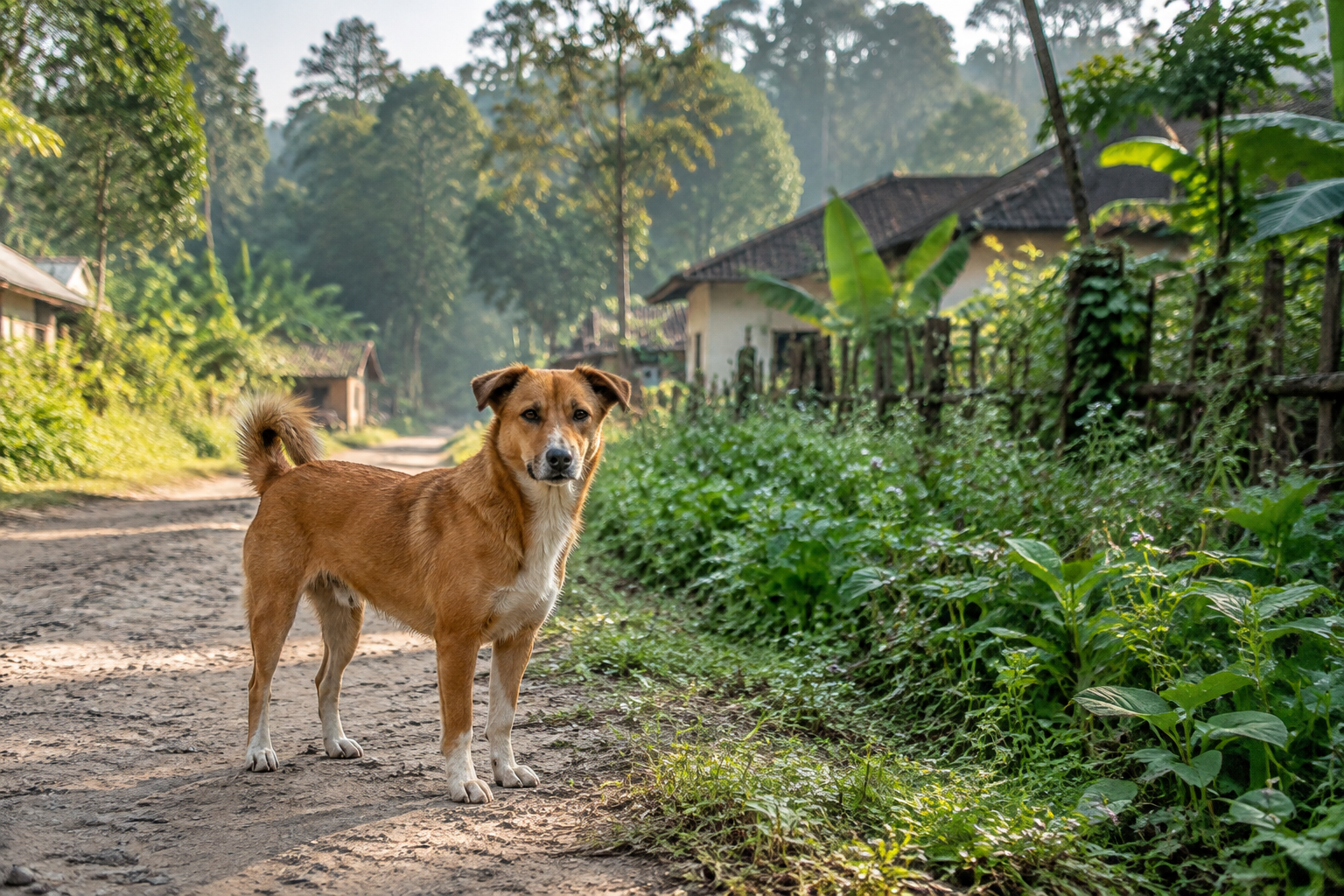
Domestic Dogs at Chitwan’s Park Edge: Who Monitors Disease Risks to Wildlife?
At Chitwan’s park edge, contact between domestic dogs and wild mammals raises questions about how disease risks are monitored. This investigation examines vaccination records, reporting responsibilities and evidence gaps without assuming that local outbreaks or dog-to-wildlife transmission have occurred.
Conservation16 min read
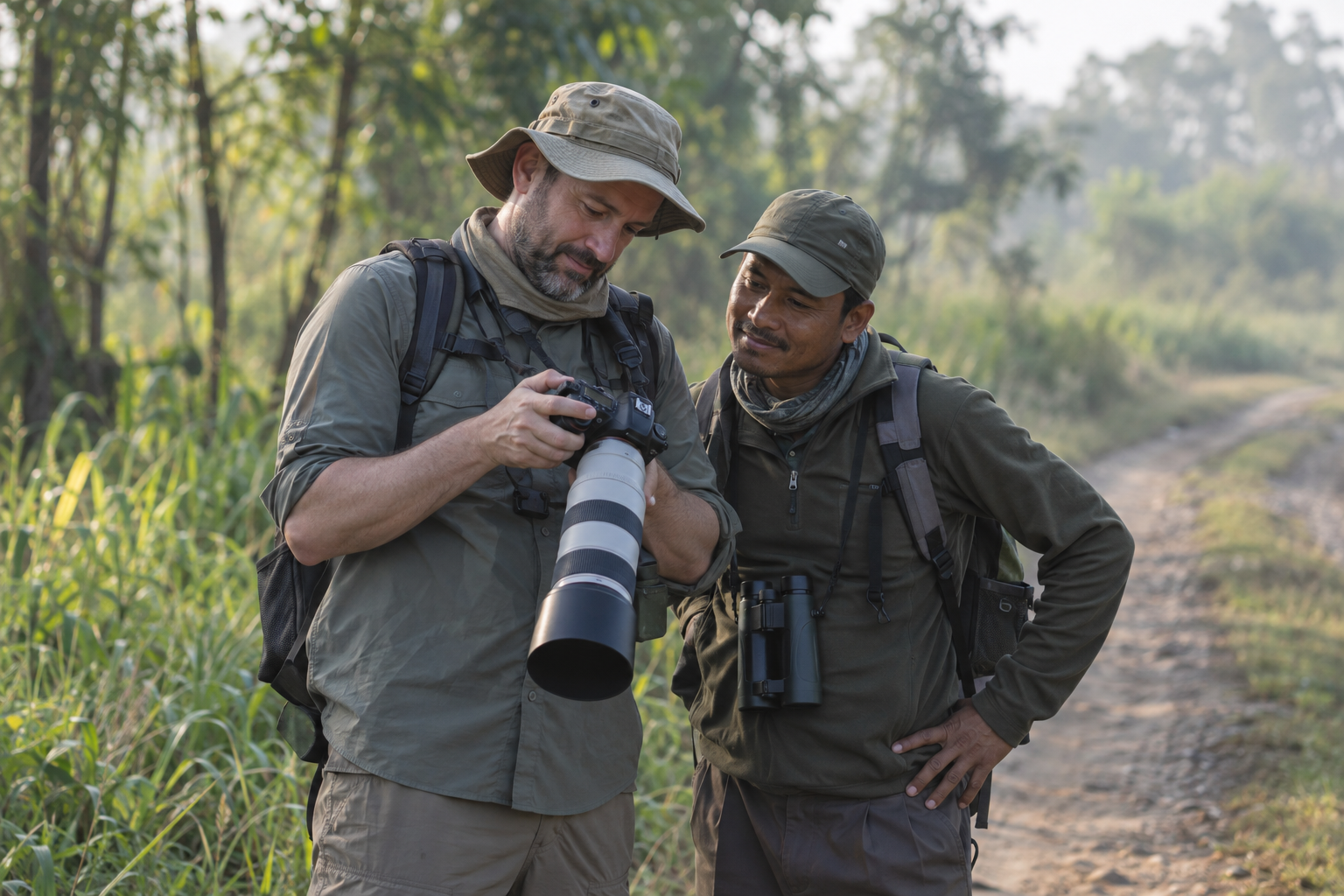
Should You Share That Nest Location? A Chitwan Wildlife Photography Publishing Guide
A wildlife photograph can reveal a sensitive location through its geotag, caption or recognisable background. This guide explores what visitors to Chitwan should check before publishing and what to ask local guides and conservation practitioners.
Conservation11 min read
Beyond Rhino Numbers: How Could Genetic Diversity Inform Conservation in Chitwan?
Rhino totals tell us how many animals live in Chitwan, but not how closely they are related or which animals contribute to future generations. This investigation will establish what local genetic research exists and explore how its findings could inform conservation without assuming routine monitoring is already underway.
Conservation7 min read
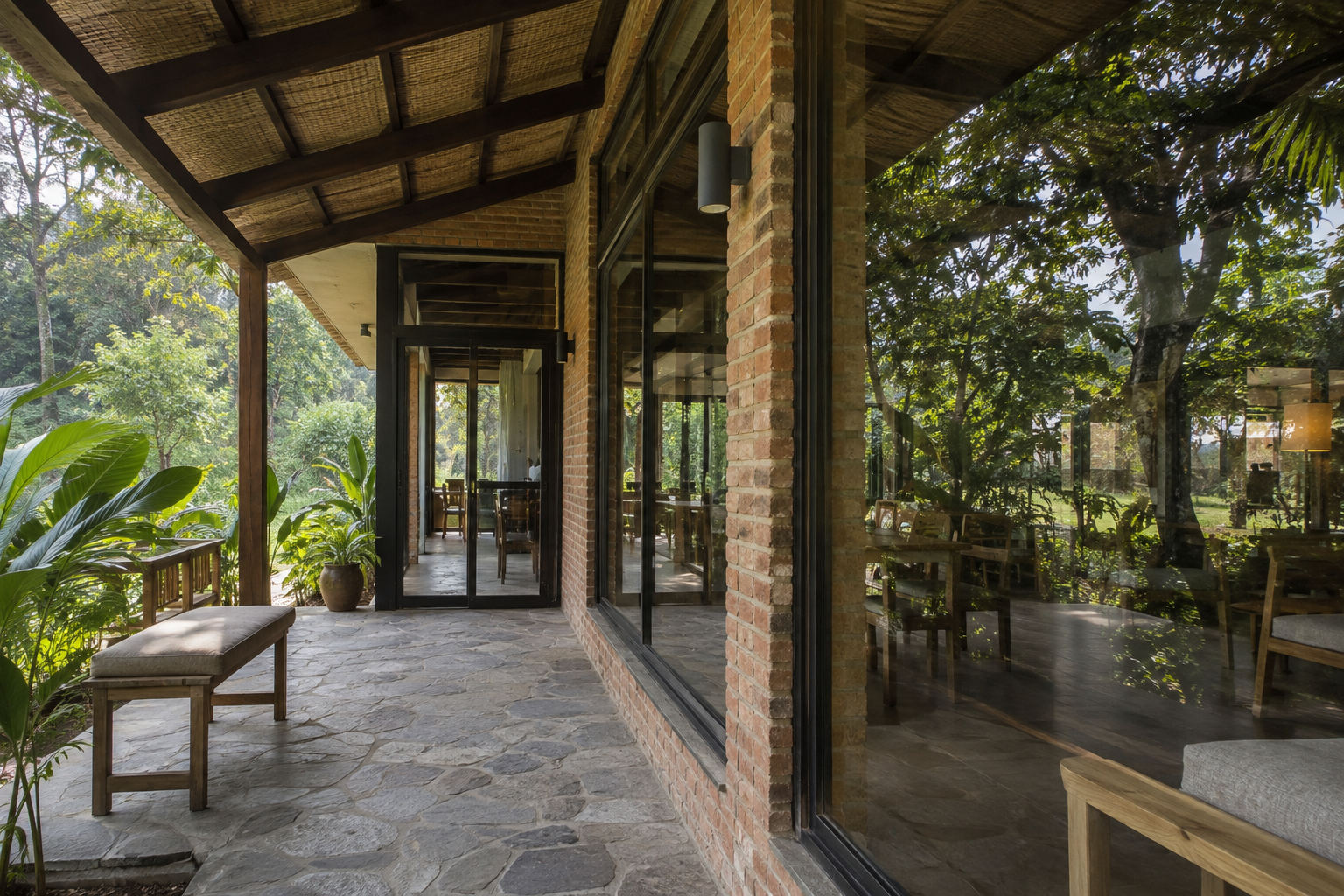
Can Birds See the Glass? Auditing Collision Risks at Chitwan’s Tourist Lodges
Reflective windows and clear glass corridors can create hazards for birds, but whether collisions occur at Chitwan’s tourist lodges needs investigation. This article plans a careful audit of building design, staff incident records and the evidence behind bird-safe glass treatments.
Wildlife21 min read
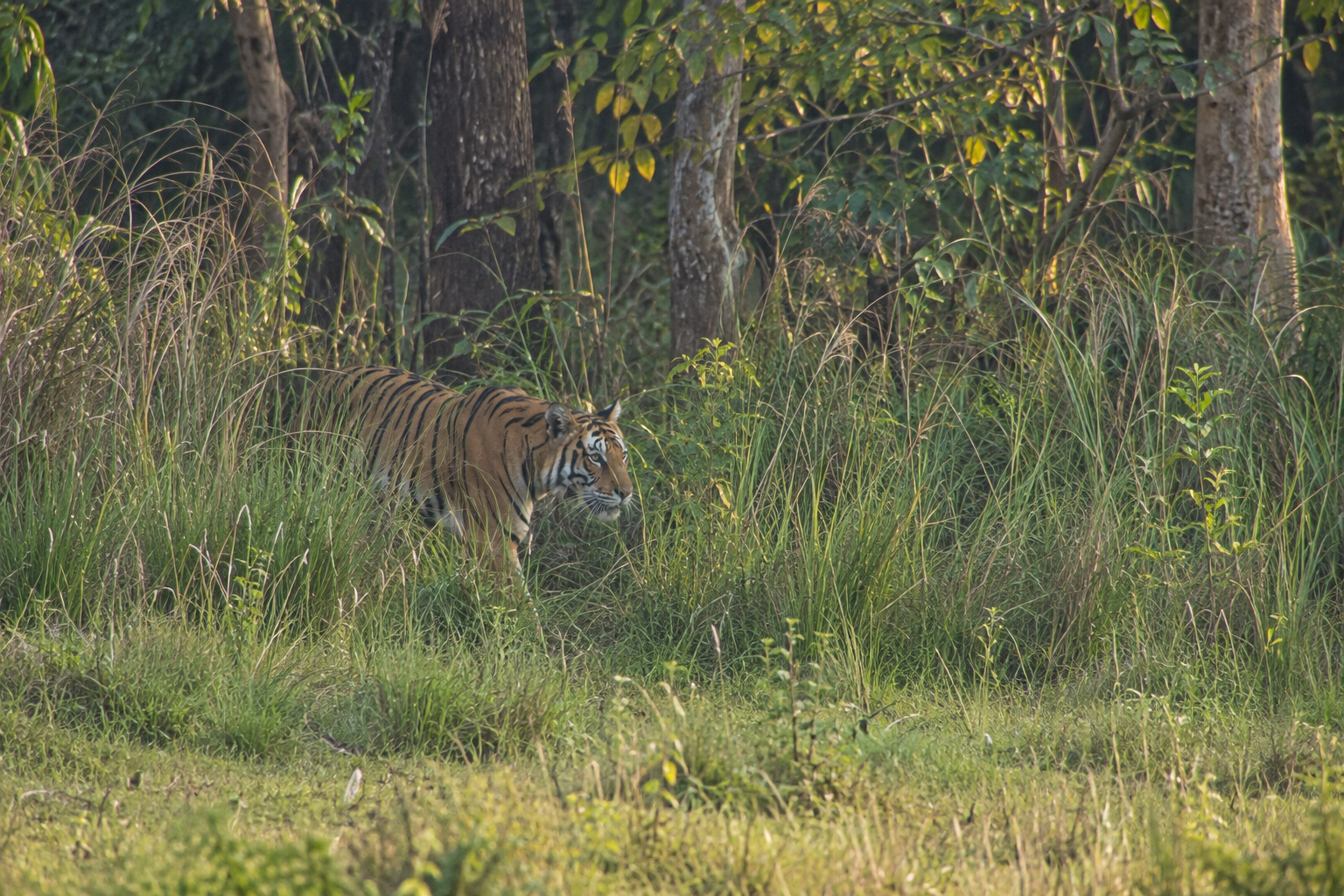
Royal Bengal Tigers in Chitwan National Park: How Habitat Shapes Hunting and Conservation
For tigers in Chitwan National Park, a hunting ground is a connected mosaic of forest, grassland and riverine cover—not simply an area with trees. This ecological explainer follows the links between vegetation, prey and ambush opportunities to show what protecting a functioning tiger habitat requires.
Travel16 min read
Traditional Nepali Food Every Traveller Should Try: What to Order and How to Eat It
Trying traditional Nepali food is easier when you know which dishes make a full meal and which belong alongside one. This practical guide explains what to order, how it arrives, how to eat it, and what to ask before your first bite.
Culture11 min read
10 Unique Cultural Traditions Around the World—and What They Mean to the People Who Keep Them
Behind every living tradition are people who give it meaning, pass it on, and sometimes change it. These ten community-specific profiles explore cultural practices through participants’ explanations, making room for different experiences within each community.
Wildlife8 min read
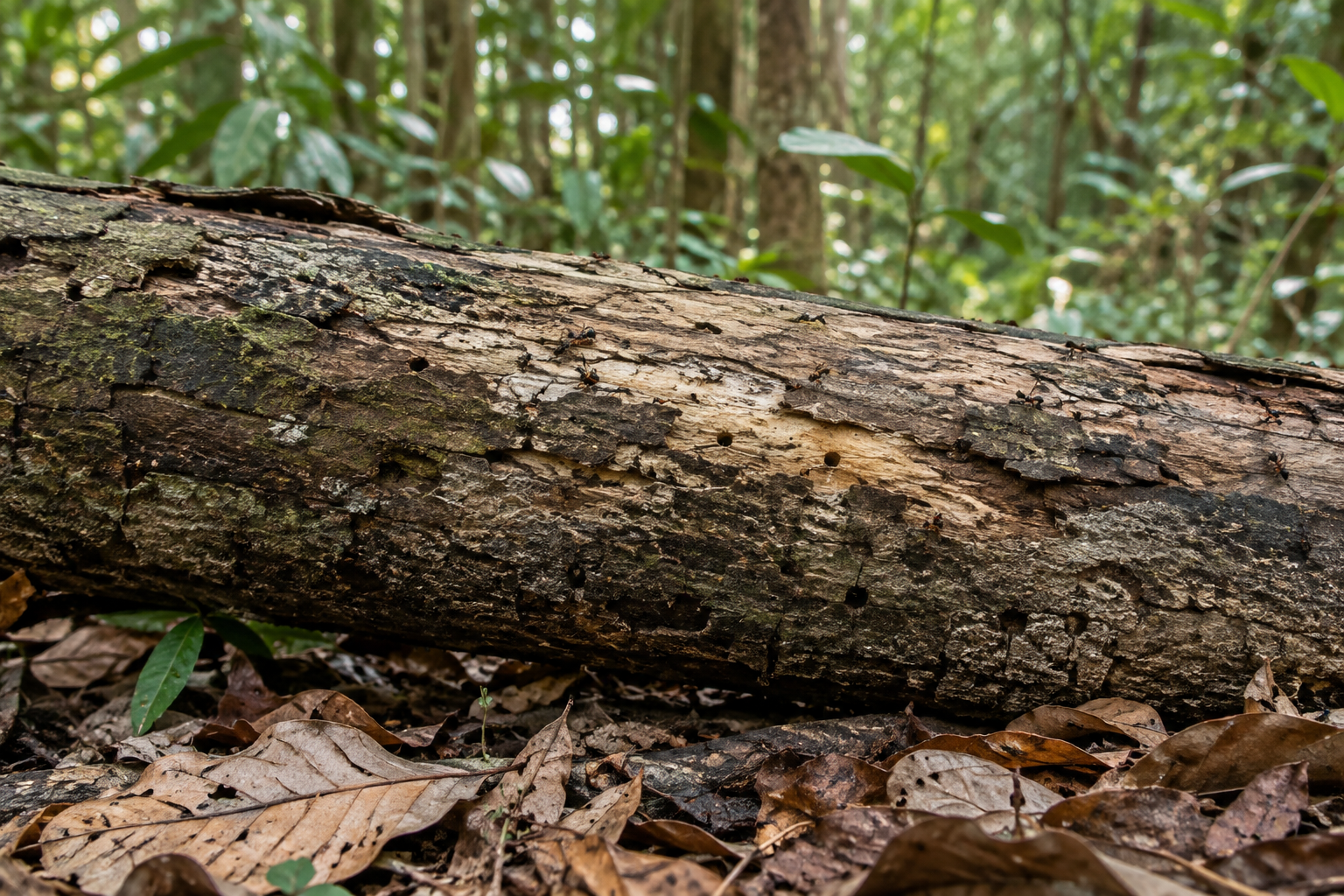
Who Lives Inside Chitwan’s Fallen Logs? Looking Beyond Living Trees
A fallen log in Chitwan can offer small animals shelter, feeding places and cover from the forest outside. Follow a naturalist’s close inspection of individual logs to discover what can be seen—and what remains hidden.
Wildlife21 min read
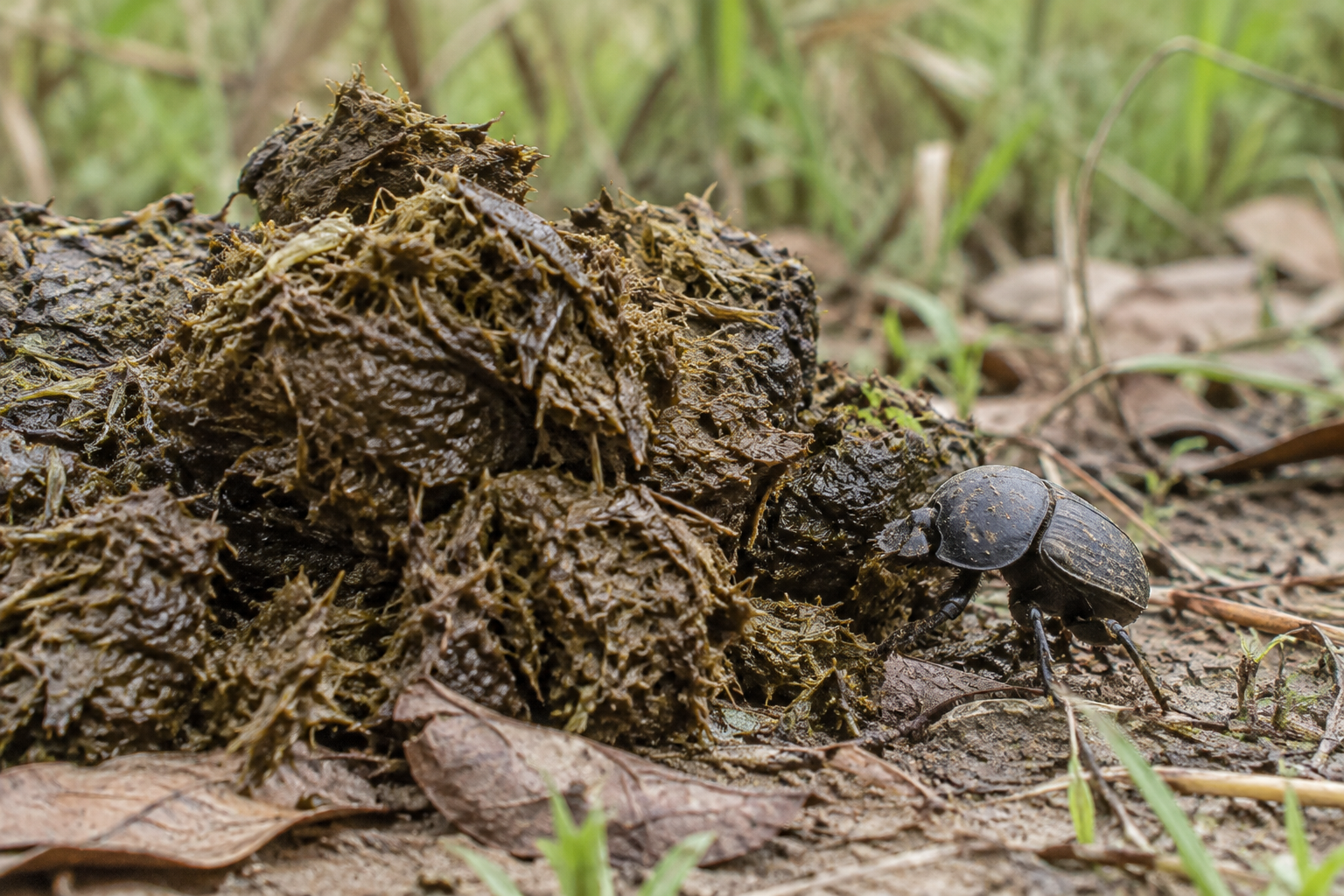
What Happens to Rhino Dung in Chitwan? Following an Overlooked Food Web
A pile of rhino dung in Chitwan is more than waste: it can become food, shelter and a hunting ground for small organisms. Follow its journey from fresh deposit to decomposing remains, and explore how researchers investigate the life it supports.
Wildlife16 min read
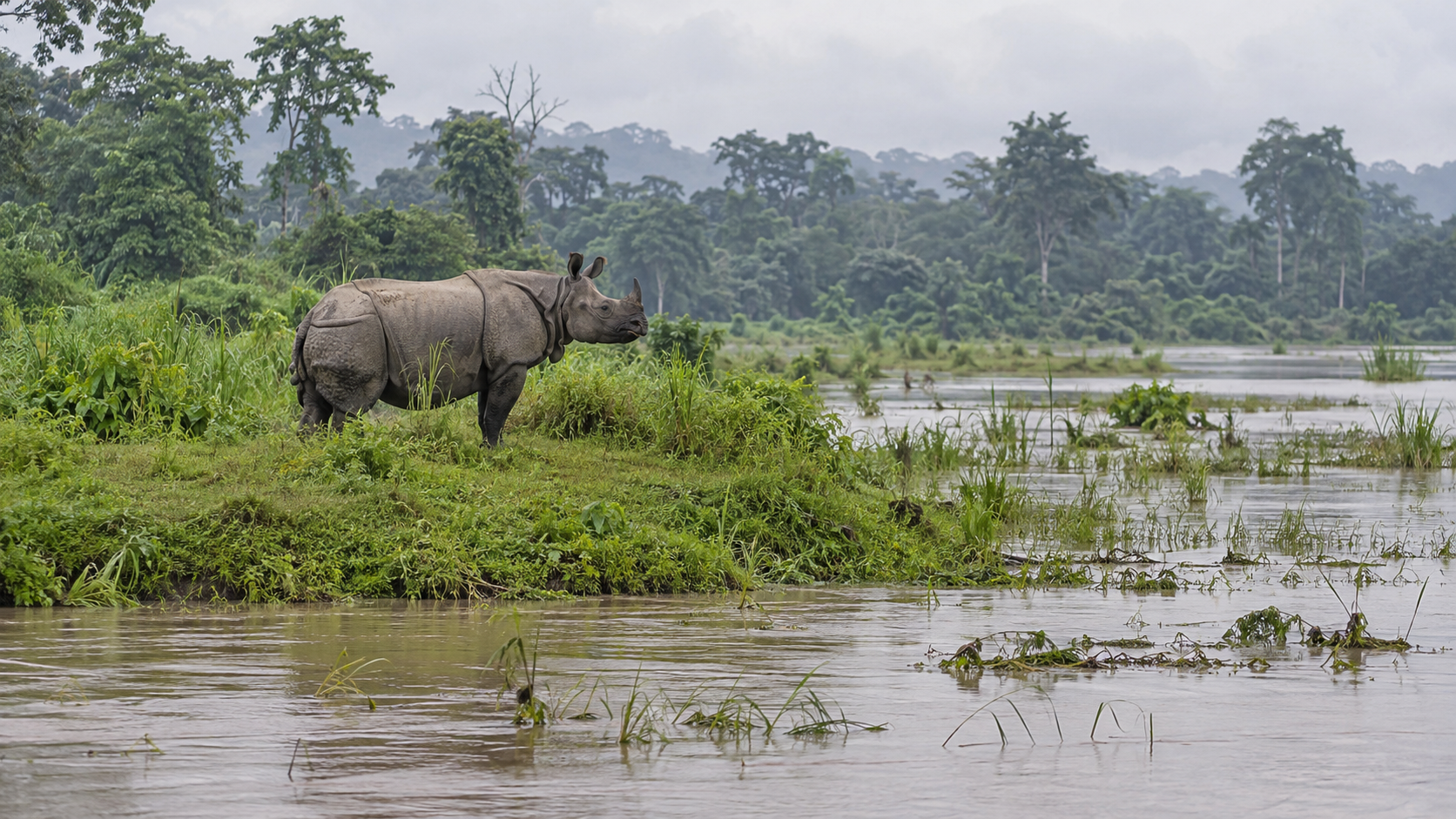
When Chitwan Floods: Where Can Wildlife Reach Higher Ground?
When monsoon floods spread across Chitwan’s river floodplains, wildlife needs dry ground it can actually reach. This investigation asks where those refuges lie and whether land use around the park keeps escape routes open or cuts them off.
Conservation11 min read
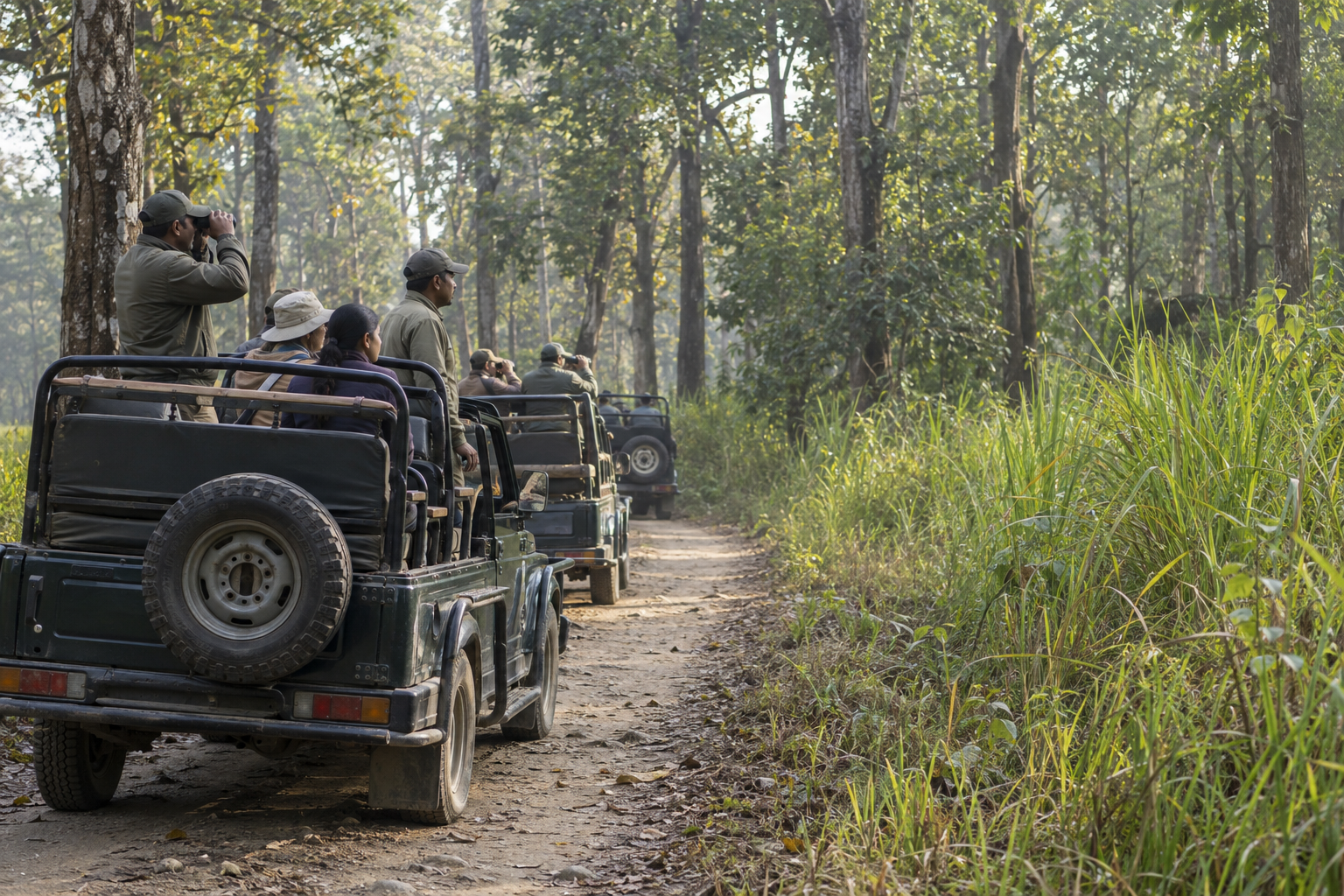
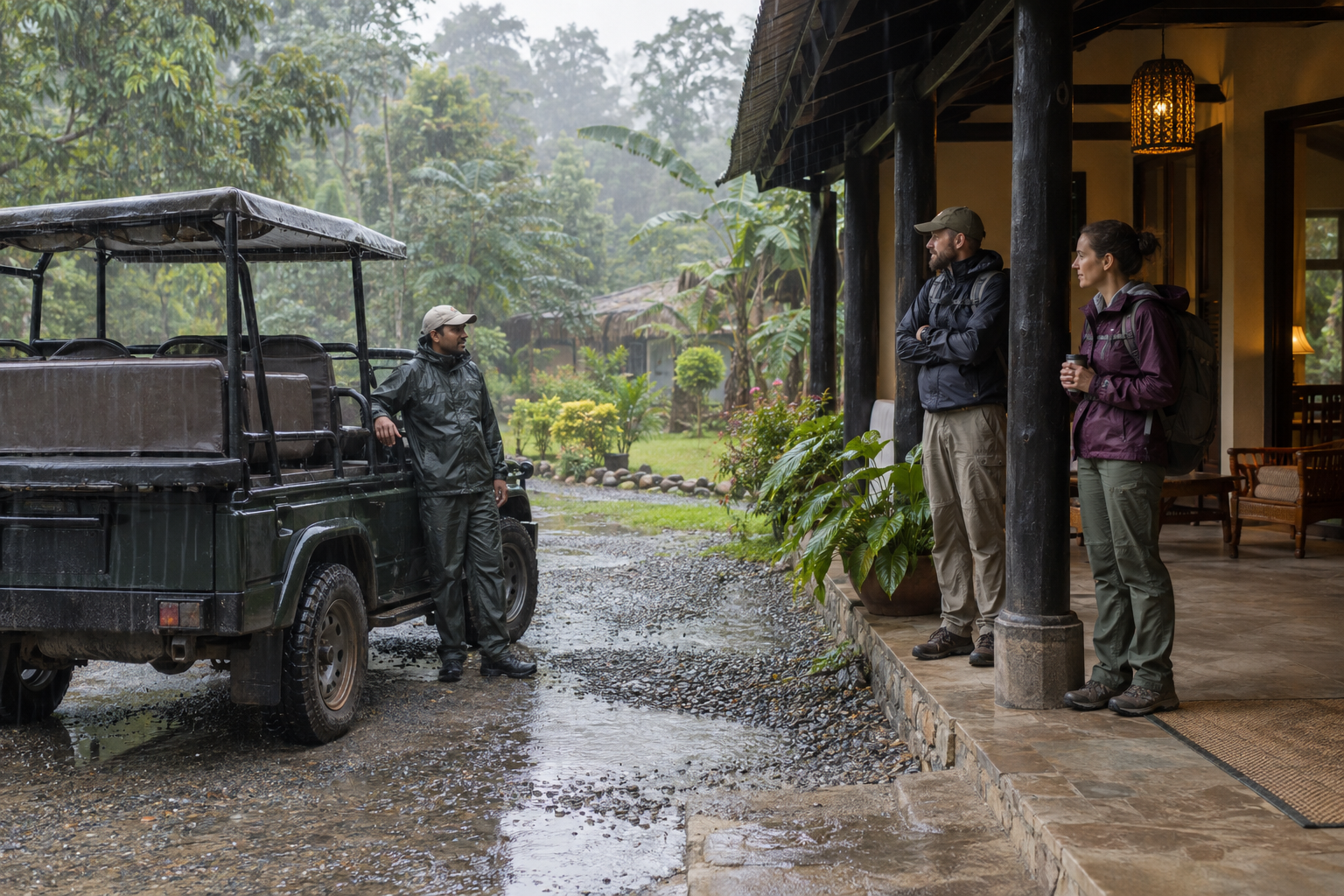
When Safari Vehicles Crowd a Sighting: Who Sets the Limits in Chitwan?
When safari vehicles gather around wildlife in Chitwan, who decides how close they can get and when they should move on? This investigation will compare published viewing rules with reported practice, examining vehicle spacing, waiting times and guides’ authority.
Wildlife8 min read
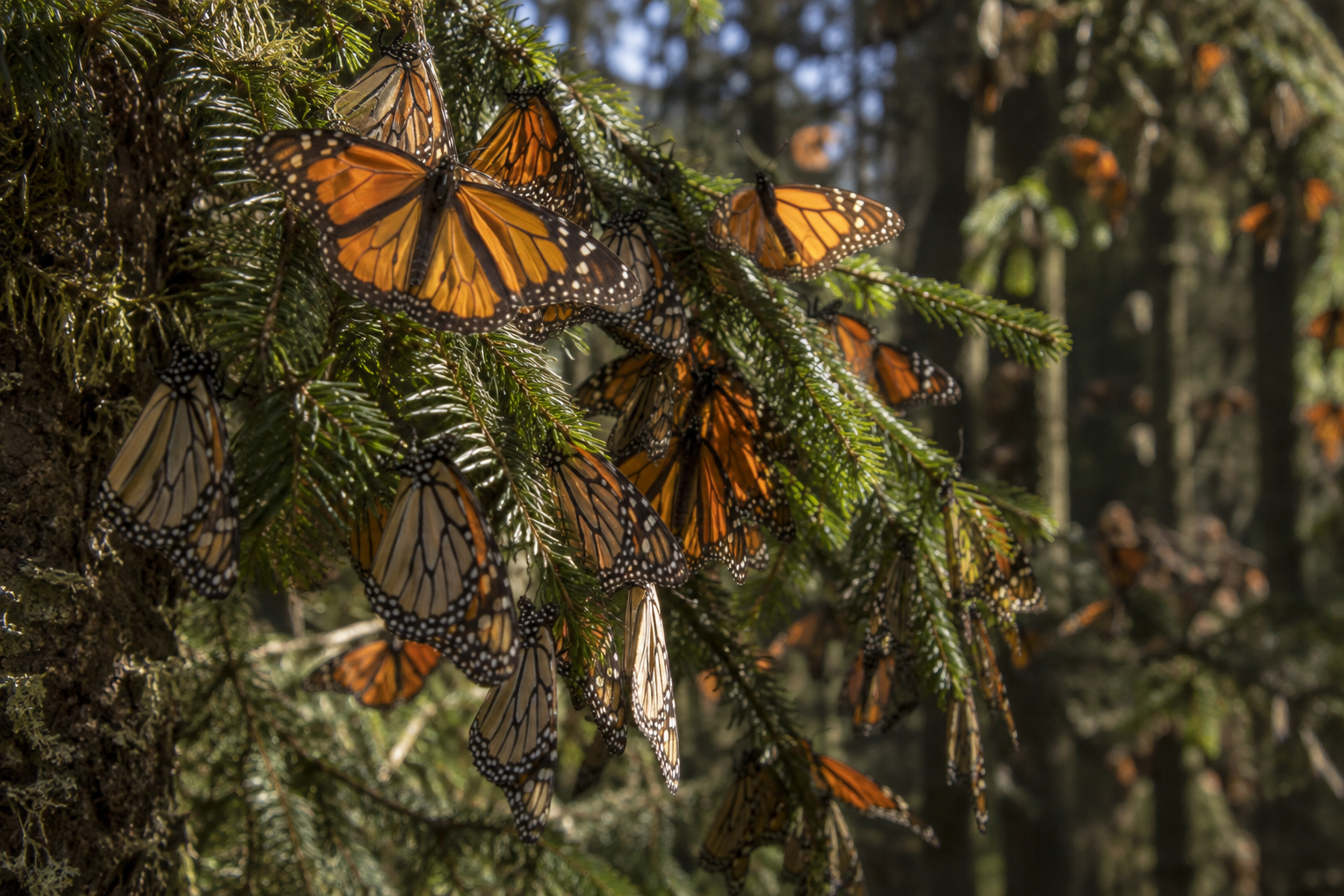
The World’s Most Beautiful Butterflies and Where to Find Them: A Wild-Sighting Guide
Meet some of the most beautiful butterflies in the world through the wild places they inhabit. This guide pairs six standout species with realistic destinations, suitable habitats and viewing windows to verify before you travel.
Travel22 min read
20 Most Beautiful Places in the World You Must Visit: When the Famous View Is Actually Visible
The world’s famous views do not look like their postcards every day. Explore 20 beautiful places through their seasonal visibility, weather trade-offs and the difference between a perfect photograph and a typical visit.
Travel17 min read
15 Cheapest Countries to Visit in Europe in 2027: What a Seven-Day Trip Really Costs
Compare 15 affordable European destinations using the same seven-day budget for accommodation, meals, local transport and basic sightseeing. Dated price evidence and clearly labelled 2027 projections will show what each trip could cost, with international flights and visa expenses listed separately.
Digital Life11 min read
15 Best Remote Jobs in Europe You Can Do From Home: Who Can Actually Apply?
Remote jobs in Europe are not always open to people living outside Europe—or even outside a single hiring country. Compare 15 roles by residency, work authorization and permitted hiring locations, with clear guidance for applicants based in Nepal.
Conservation7 min read
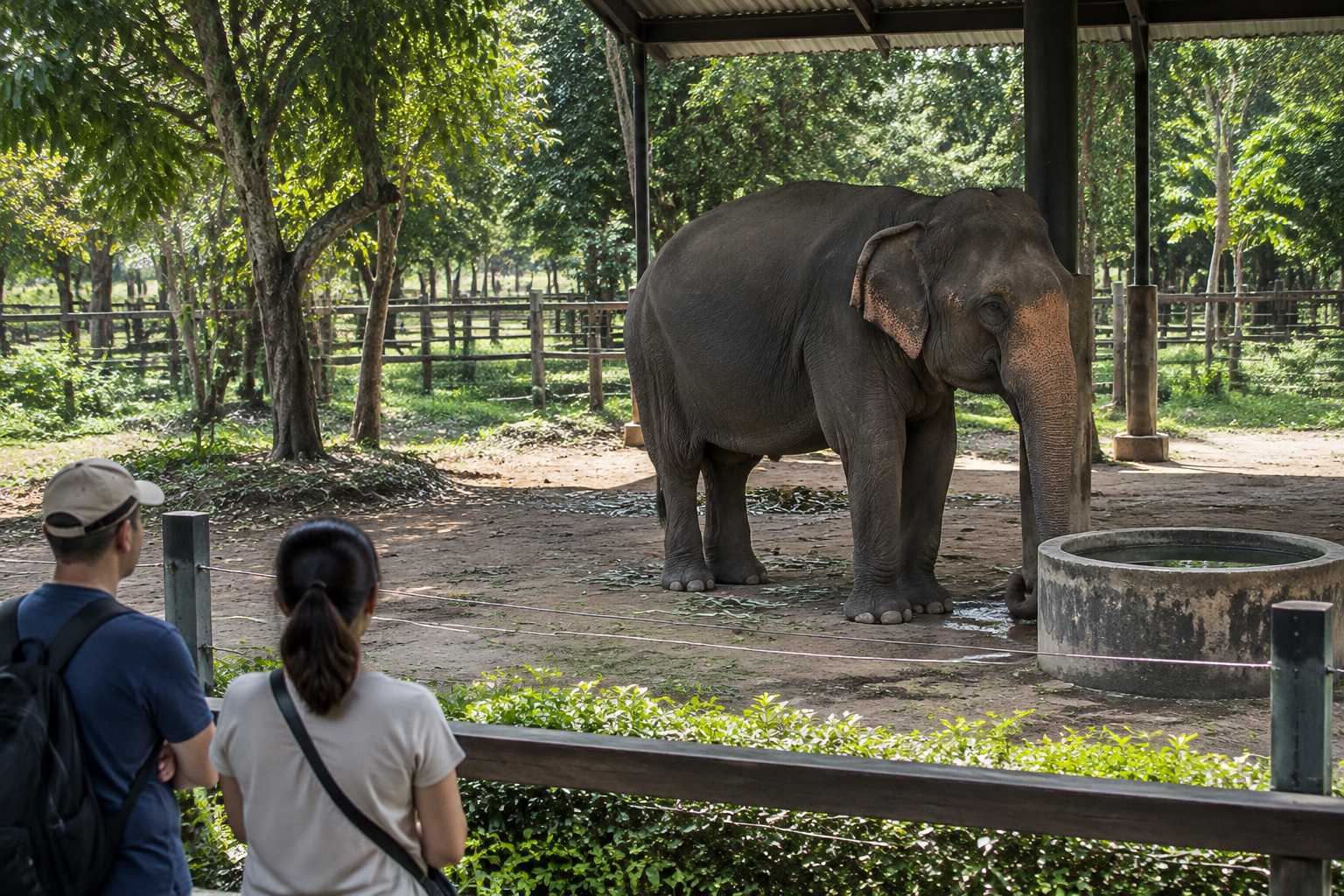
Before Booking an Elephant Activity in Chitwan: What Welfare Evidence Can Visitors Check?
Before booking an elephant activity in Chitwan, visitors can ask for evidence about working hours, restraint, social contact and daily care. This guide separates useful observations and records from marketing claims, without treating any activity label as a welfare guarantee.
Wildlife21 min read
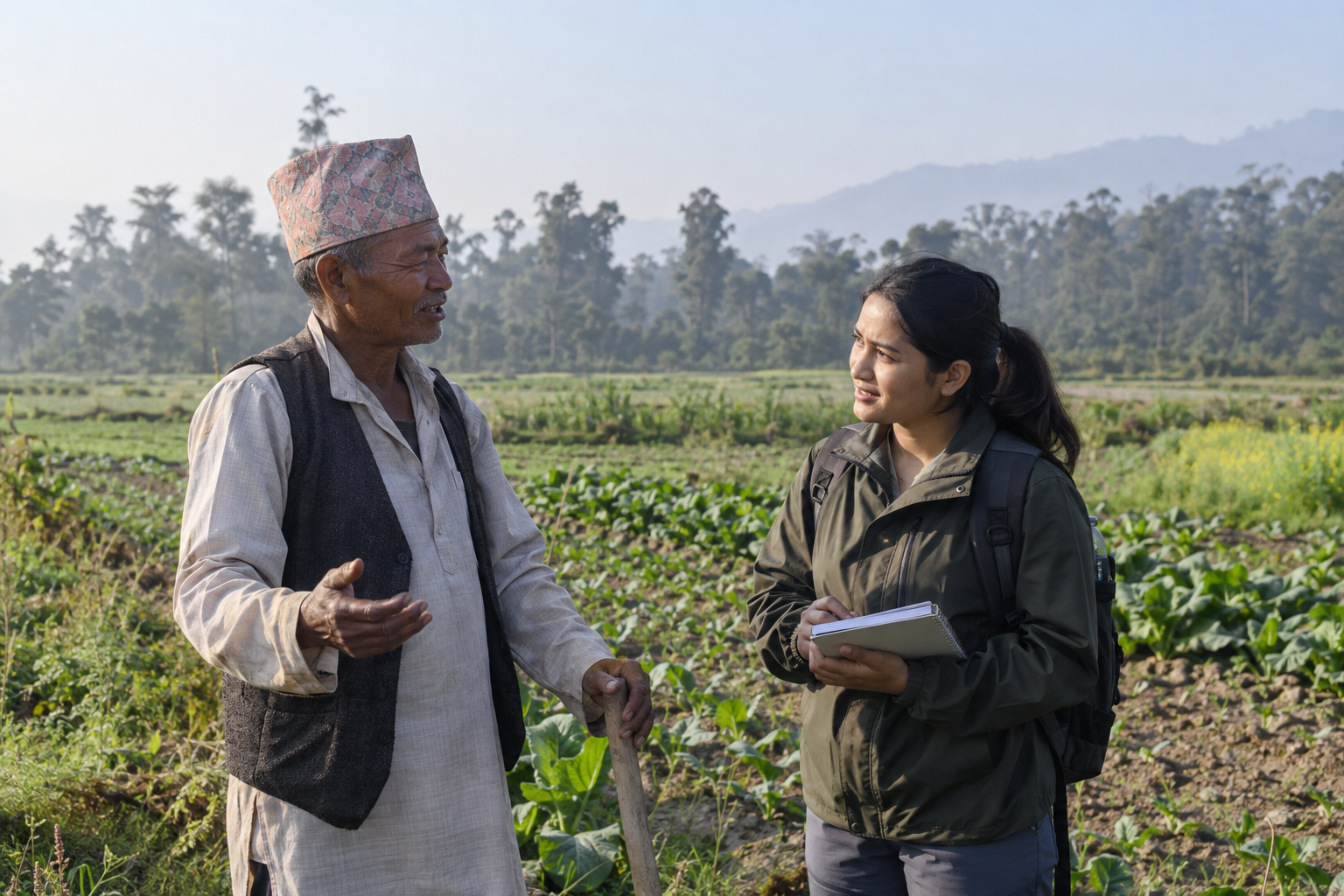
What Reaches Chitwan’s Wildlife from Farms at the Park Edge?
What do we know about pesticides and wildlife in Chitwan, and what still needs testing? This investigation centres farmers and conservation researchers as it examines records of pesticide use near the park, available monitoring and unanswered questions about exposure.
Wildlife16 min read
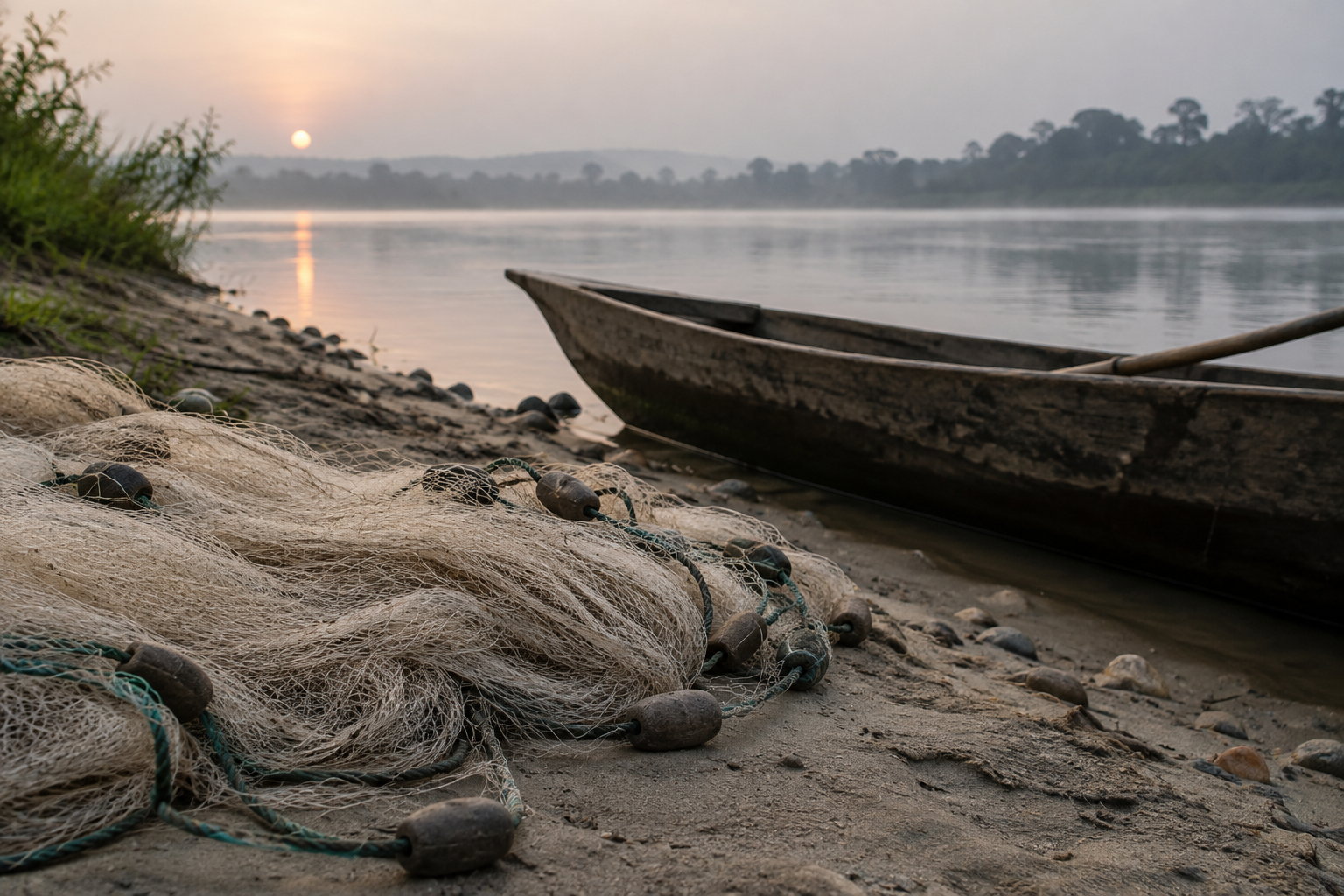
Fishing Gear and Wildlife in Chitwan: What Happens After an Accidental Catch?
What happens when fishing gear accidentally catches wildlife in Chitwan? This investigation will follow the reporting process, examine barriers fishers face, and check whether practical advice on safer gear and handling is available locally.
Conservation11 min read
Are Chitwan’s Tourist Lodges Feeding Wildlife Without Meaning To?
Could feeding wildlife in Chitwan happen through lodge dining areas and food stores, even when nobody intends it? This investigation will examine deliberate feeding, accessible leftovers and food storage through on-site reporting, without assuming these practices occur.
Digital Life8 min read
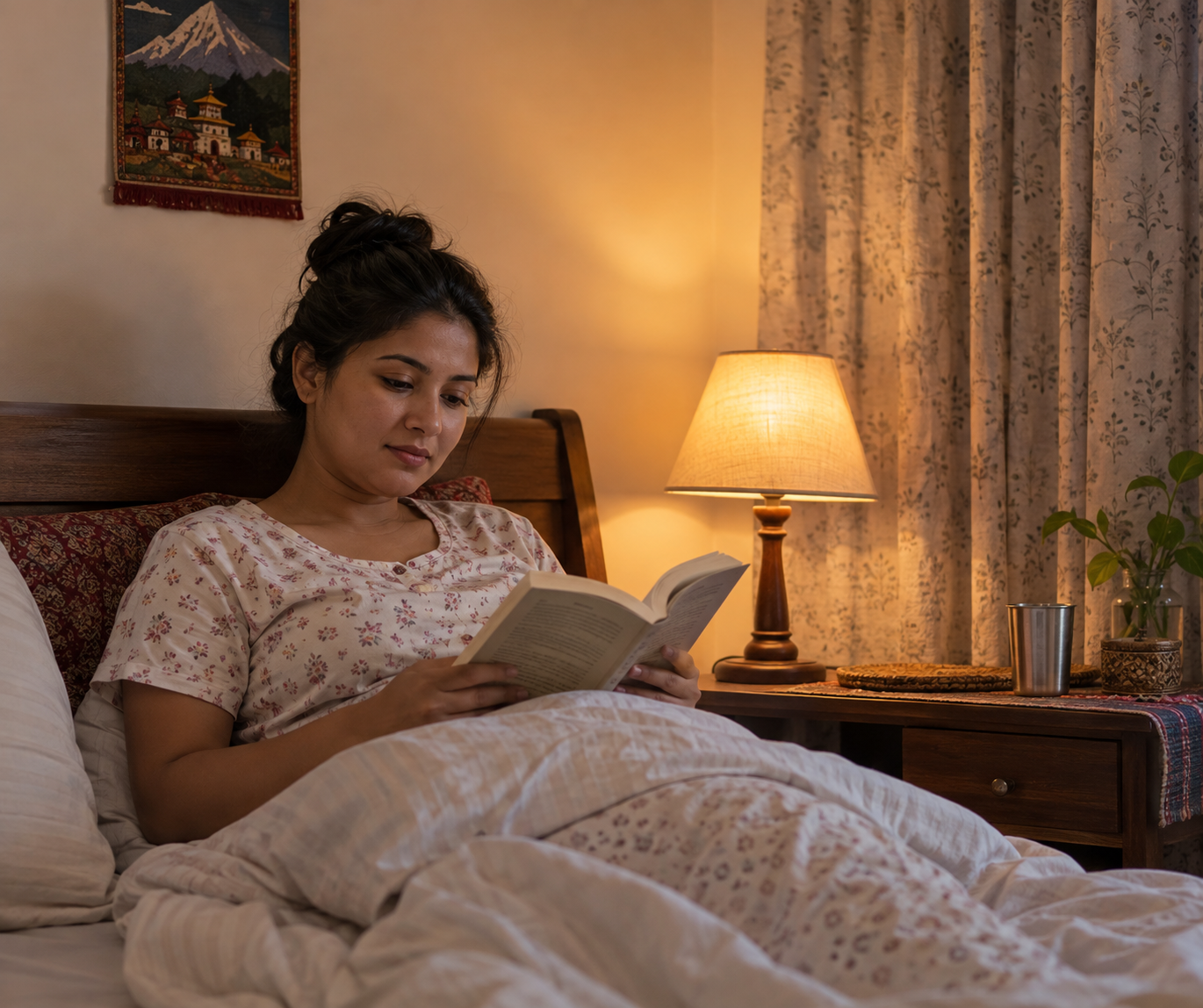
How to Improve Your Sleep Naturally: 10 Science-Backed Tips You Can Try at Home
Better sleep can start with small changes to your daily routine, without buying supplements or sleep gadgets. Explore 10 practical habits, what research suggests about each, and why they may not work equally well for everyone.
Travel21 min read
When a Chitwan Safari Is Cancelled: Who Gets a Refund?
A cancelled Chitwan safari does not automatically mean a full refund—or no refund at all. We examine written lodge and operator terms, separate park-access and weather disruptions from customer cancellations, and trace who handles repayment when an agent or booking platform is involved.
Wildlife16 min read
10 Rare and Endangered Animals You Can Discover in Nepal: Rarity, Status and Sighting Reality
Not every rare animal in Nepal is officially Endangered, and conservation status alone cannot tell you how likely you are to see one. Compare ten remarkable species by their global classification, presence in Nepal and realistic chances of a responsible wild encounter.
Travel11 min read
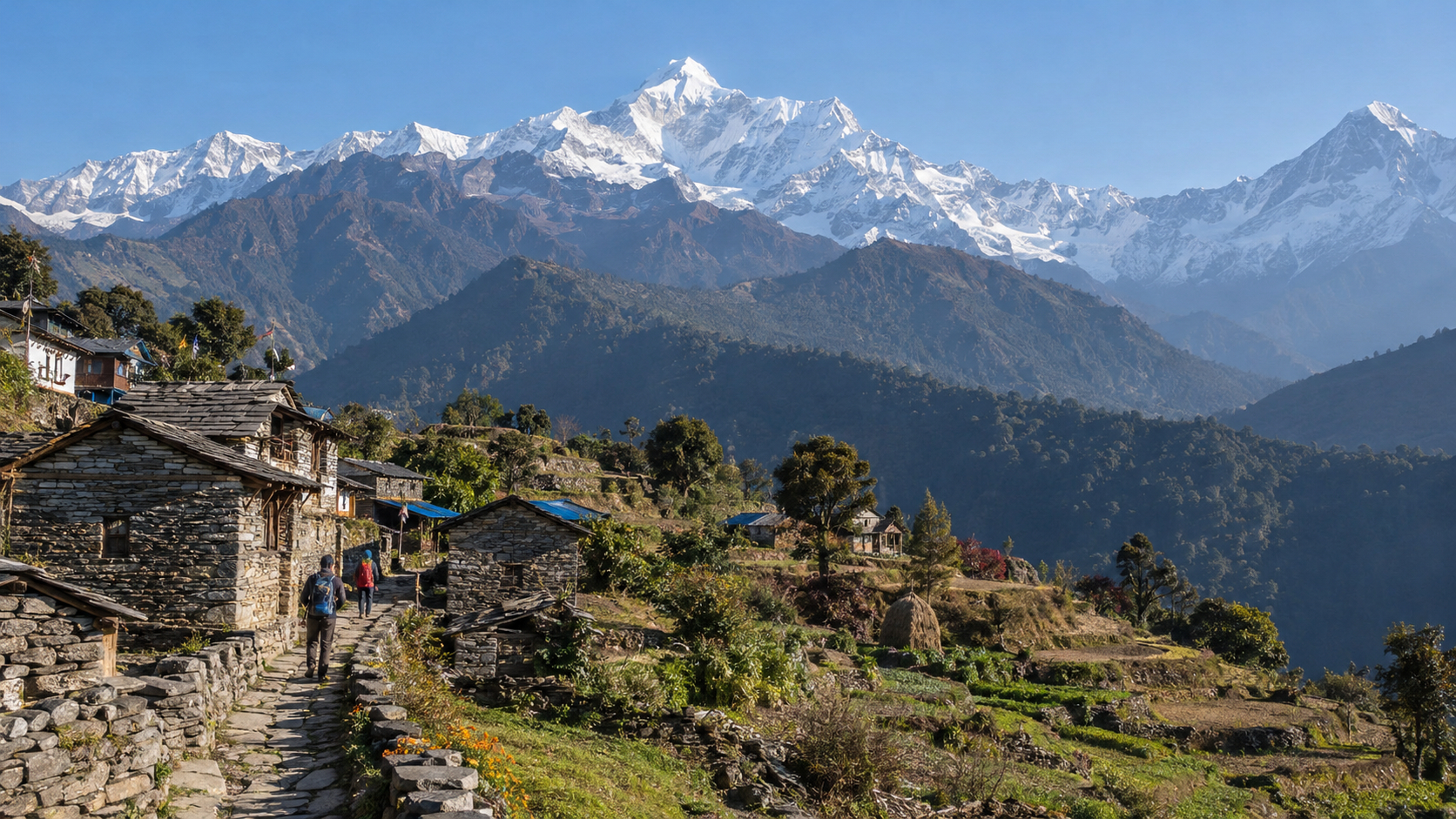
20 Most Beautiful Countries to Visit in 2027: Mountains, Wildlife and Living Culture
The most beautiful countries in the world offer more than striking views: they also hold remarkable wildlife and living cultural traditions. This balanced selection explores 20 destinations for 2027, from Nepal’s Himalayan trails to tropical forests, desert landscapes and coastal communities.
Digital Life7 min read
15 Best AI Tools That Can Make Your Life Easier in 2026: An Everyday Task Guide
Find AI tools for everyday jobs, from drafting work emails to sorting documents and planning a busy week. This guide compares 15 options through repeatable tasks, setup effort and practical limitations, with examples relevant to readers in Nepal.
Digital Life21 min read
Freelancing vs. Online Business in 2026: Which Leaves You More Profit in Nepal?
Freelance income and online sales can look impressive until costs and unpaid hours are counted. This comparison uses clearly labelled, matched scenarios to show which model could leave you with more profit in Nepal.
Digital Life16 min read
10 Real Ways to Earn Money Online Without Investment in Nepal: The First-Payment Test
An online earning method only works if you can turn completed work into usable money in Nepal. This guide compares ten options through a first-payment test, checking eligibility, withdrawal routes, payout thresholds and deductions before recommending them.
Digital Life11 min read
How to Make Money Online in Nepal: A Beginner’s Guide to Selling Digital Services to Tourism Businesses
A practical way to start earning online in Nepal is to offer a small, clearly defined writing service to a tourism business. This guide follows one lodge website-copy project, from making a sample and pitching the owner to agreeing on scope and handing over finished work.
Wildlife8 min read
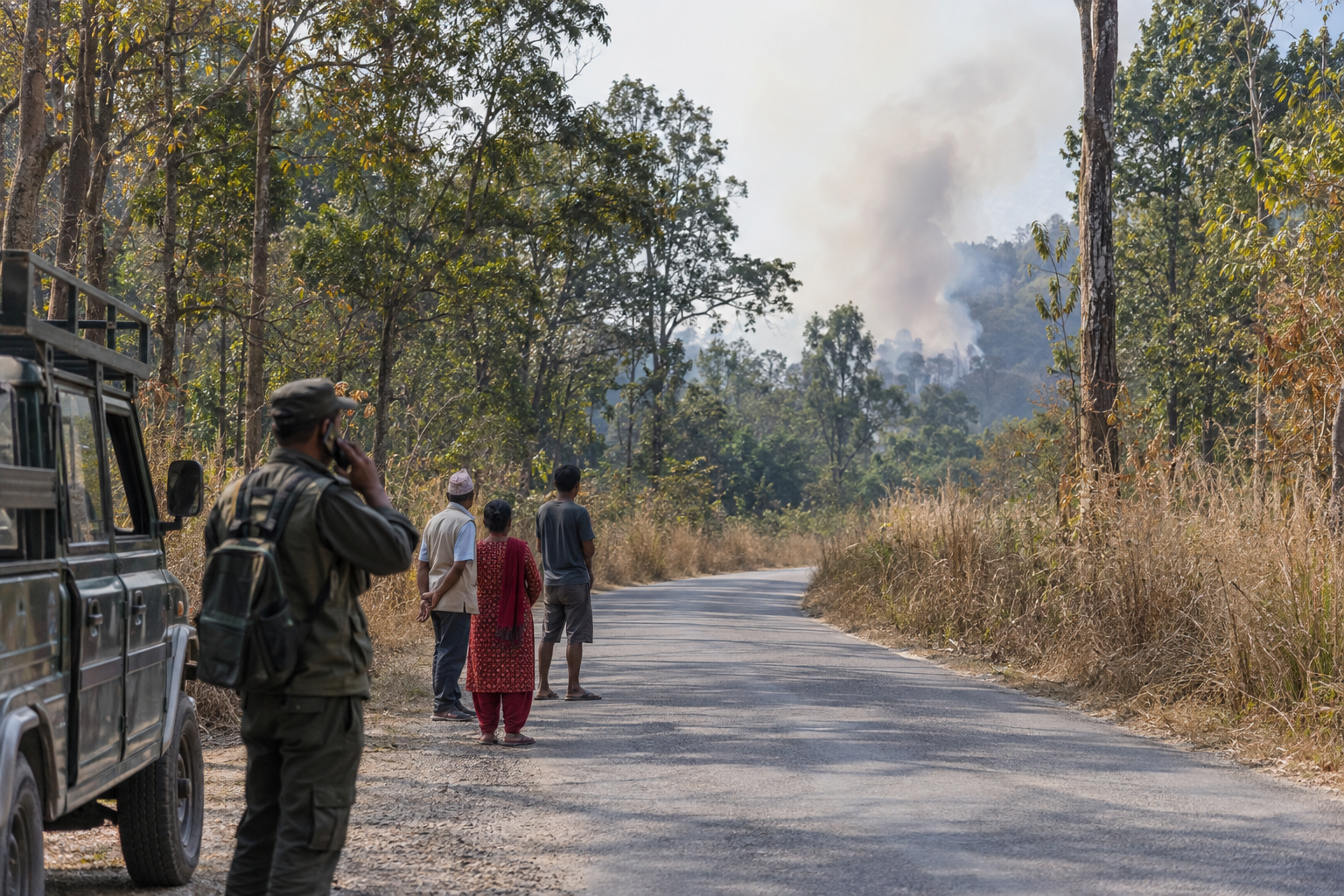
When Fire Reaches Chitwan’s Forest Edge: Who Detects It and Who Responds?
When smoke appears at Chitwan’s forest edge, how does a sighting become a coordinated response? This investigation follows the reporting chain, examines responder safety, and asks how warnings reach nearby residents and tourism workers.
Wildlife21 min read
Common Crow Butterfly: Identification and Habitat
Learn to recognise the common crow butterfly through its dark wings, pale markings and other useful field clues. This focused species guide separates identification from habitat and flags Nepal-specific details for verification before publication.
Wildlife16 min read
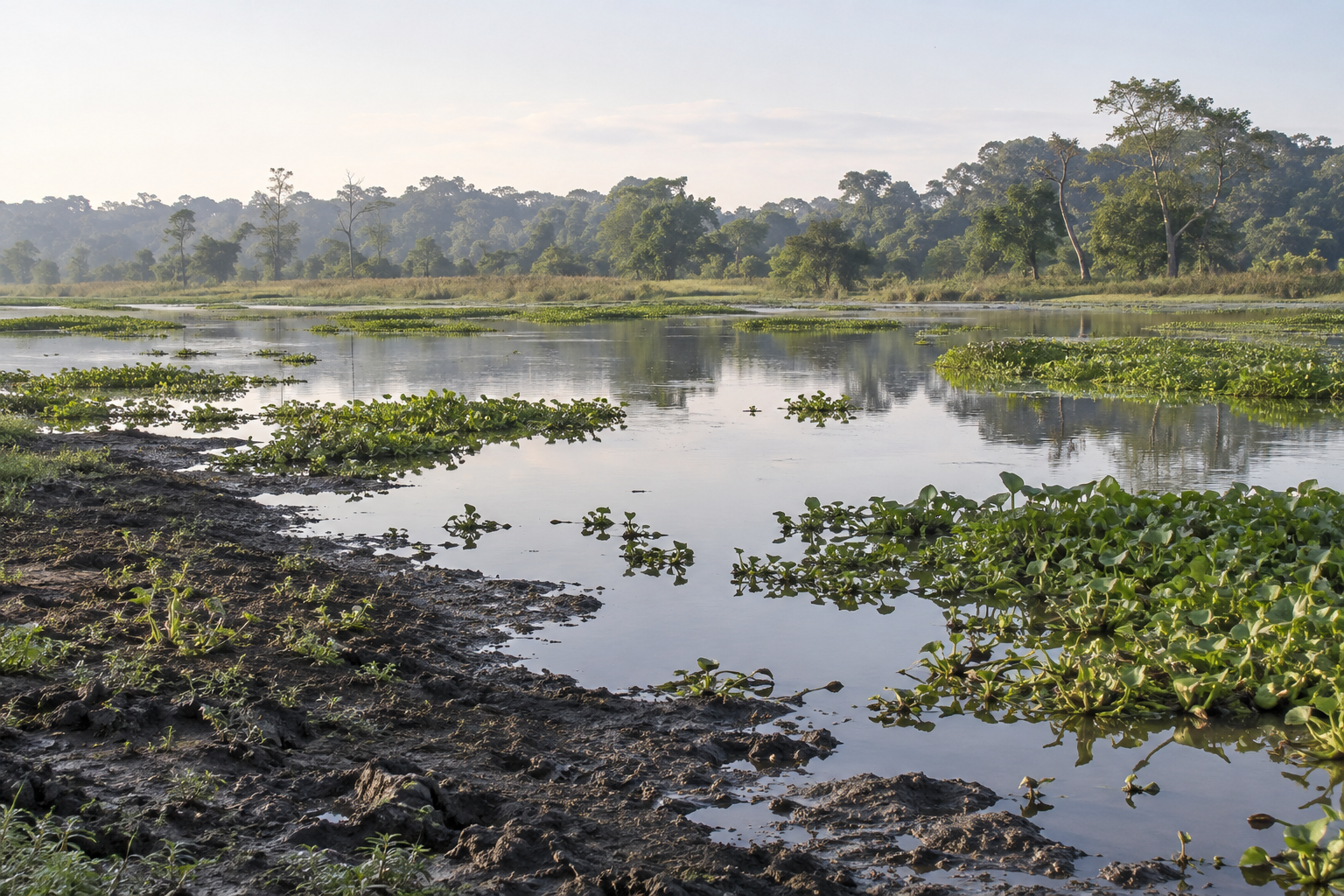
What Is Growing Over Chitwan’s Wetlands? Investigating Invasive-Plant Removal
When vegetation spreads across a Chitwan wetland, how do managers decide what belongs and what needs removing? This investigation will establish which plants and removal methods are locally documented, then examine whether the work produces measurable benefits for wildlife.
Conservation11 min read
After Dark in Sauraha: Can Tourist Lodges Make Room for Wildlife-Friendly Lighting?
Could Sauraha’s tourist lodges light paths and entrances while keeping more of the night dark? This reporting plan pairs outdoor lighting audits at willing lodges with specialist advice to investigate practical changes, local costs and wildlife questions that need evidence.
Wildlife8 min read
Becoming a Chitwan Nature Guide: Training, Entry Costs and the First Paid Season
What does it take to get hired as a nature guide in Chitwan, and what must a beginner pay before starting work? This investigation will follow new guides and question recruiters about accepted qualifications, supervised entry routes and the terms of a first paid season.
Wildlife11 min read
Blue Mormon Butterfly: How Large Is One of Asia’s Largest Butterflies?
The blue mormon butterfly looks impressive, but a close-up photograph cannot tell us its true size. Explore how wingspan is measured and what evidence supports calling this swallowtail one of Asia’s largest butterflies.
Wildlife8 min read
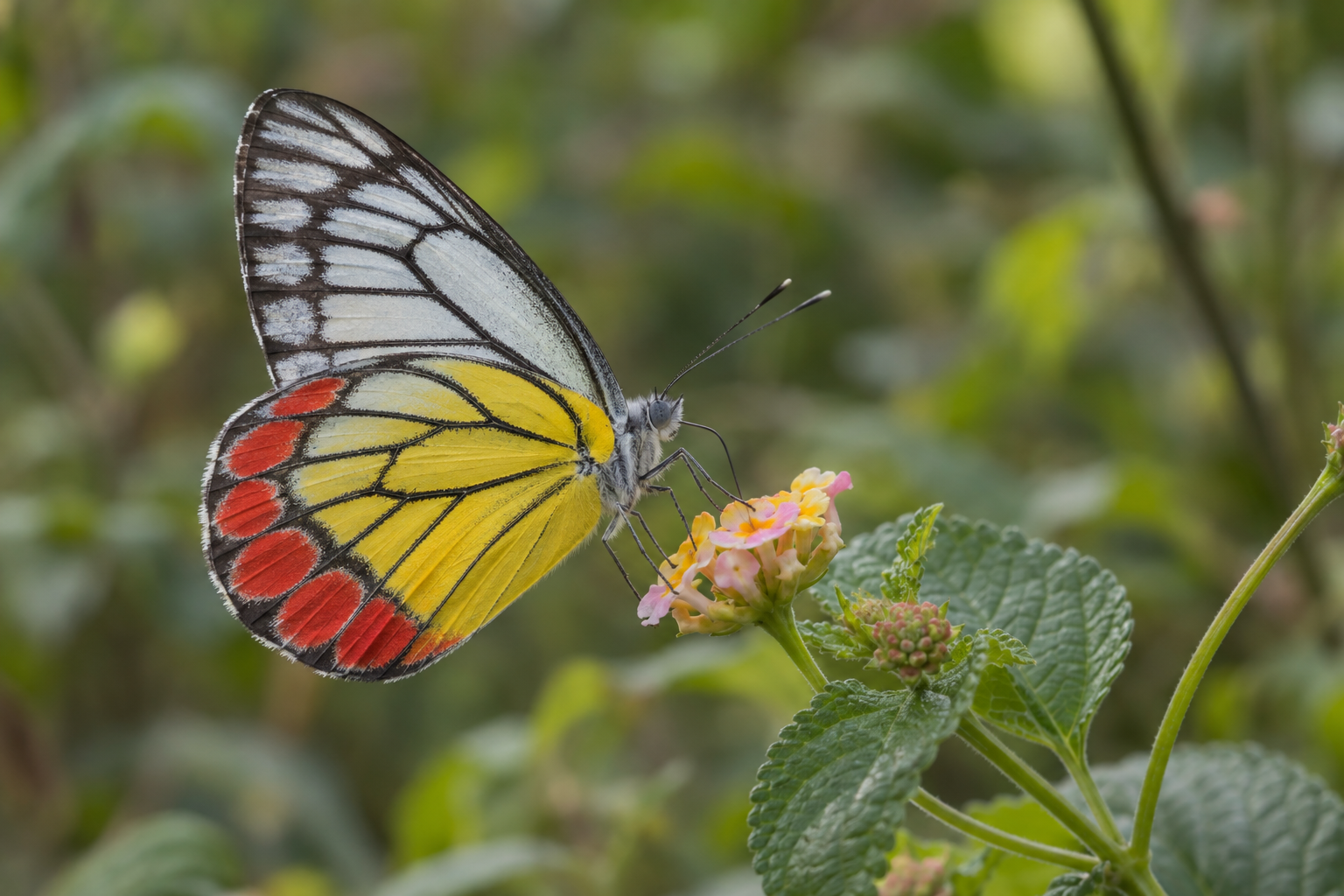
Common Rose Butterfly: Nature’s Living Artwork, Seen Close Up
Look closely at the common rose butterfly, where dark wings frame pale patches and vivid red markings. This annotated visual essay uses verified photographs to reveal details that a passing glance can miss.
Wildlife21 min read
Common Mormon: A Beautiful Butterfly of Nepal, Beyond Its Wings
The common mormon butterfly has a story that begins long before its first flight, among the leaves of its caterpillar’s food plants. Follow its life cycle and everyday behaviour through a Nepal-focused portrait grounded in documented observations.
Wildlife14 min read
The Colourful World of Butterflies in Chitwan National Park: A Beginner’s Identification Guide
Discover butterflies in Chitwan National Park through the colours, wing shapes and resting postures that make identification rewarding. This beginner’s guide introduces locally recorded butterflies, explains common lookalikes and shows how to turn a brief encounter into a useful observation.
Travel10 min read
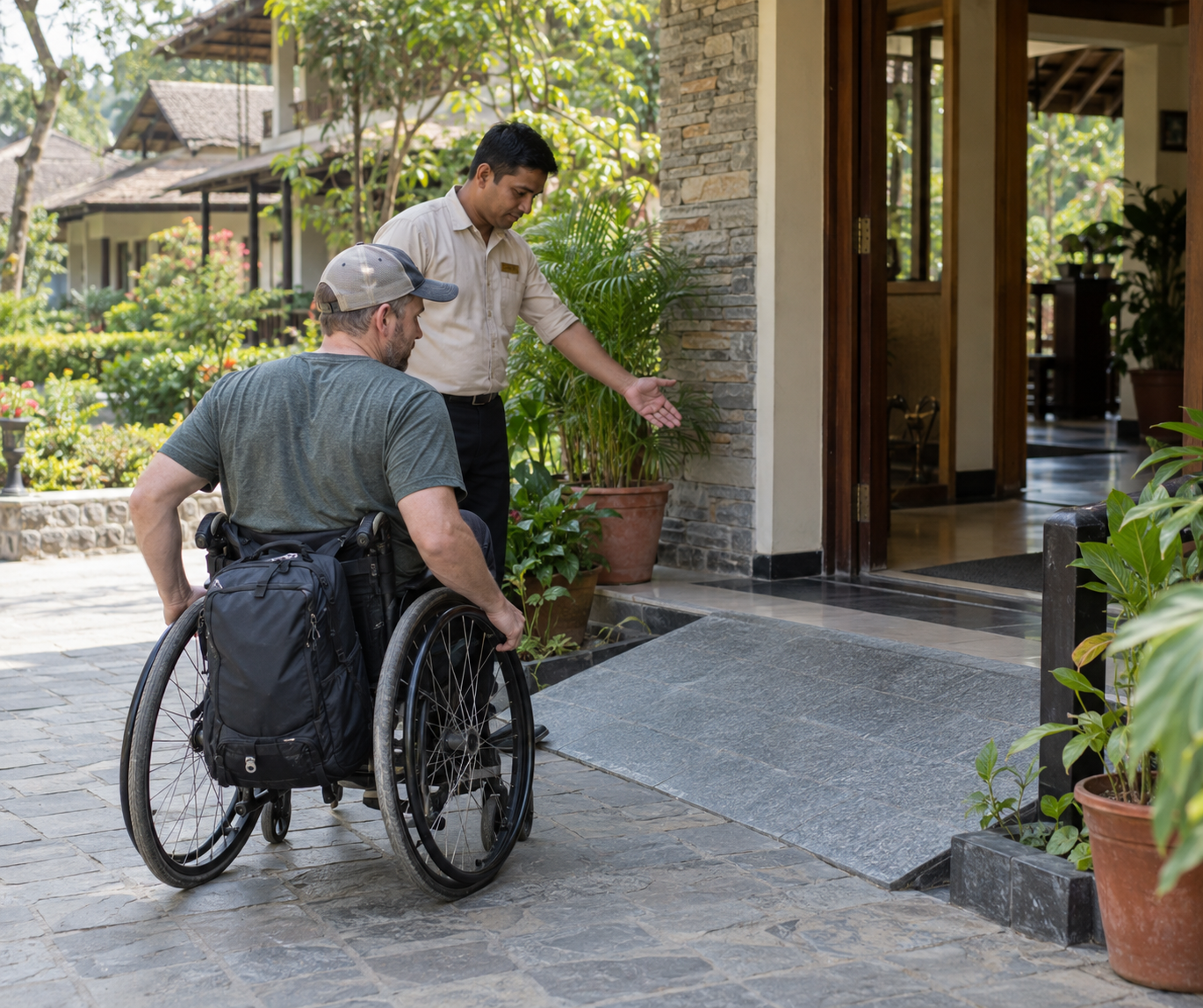
Can You Visit Chitwan with Limited Mobility? An Accessibility Audit of Sauraha
A visit to Sauraha with limited mobility can be possible, but an accessible room is only one part of the journey. This practical audit explains what to verify about entrances, toilets, transfers and wildlife viewing before you book.
Conservation7 min read
Where Does a Chitwan Park Entry Fee Go? Following Tourism Money into Conservation
A Chitwan park ticket starts a financial trail, but it does not reveal where the money ultimately goes. Following that trail through revenue records, government budgets and buffer-zone accounts shows what visitors can verify—and where questions remain.
Wildlife20 min read
Who Shares Chitwan’s River Water? Investigating Dry-Season Decisions Along the Rapti
Along Chitwan’s Rapti River, wildlife, households, farms and tourism businesses depend on water through different systems and competing expectations. Understanding who gets what requires allocation records, flow measurements and interviews—not assumptions about shortages or ecological damage.
Wildlife15 min read
Where Can Wildlife Cross Safely? Investigating Roads Around Chitwan
Roads around Chitwan cut across a landscape that wildlife must move through, but a crossing structure alone does not prove safe passage. We examine documented risk areas, existing mitigation, and the evidence needed to judge whether transport infrastructure protects movement.
Conservation10 min read
How Quiet Is Chitwan’s Tourism Edge? Investigating Noise Around Sauraha
Around Sauraha, the sounds of visitor life meet a landscape valued for wildlife and quiet. This evidence-conscious investigation explains what to compare, whose experiences matter, and why audible disturbance is not automatically proof of wildlife harm.
Wildlife7 min read
Who Treats an Injured Wild Rhino? Reporting on Veterinary Care in Chitwan
Treating an injured wild rhino involves more than a veterinarian: park authorities, field staff and monitoring teams all have a role. This interview-led reporting framework examines assessment, authorization and animal welfare, while identifying the Chitwan procedures that still need local verification.
Conservation7 min read
After the Safari: Where Does Sauraha’s Tourism Waste Go?
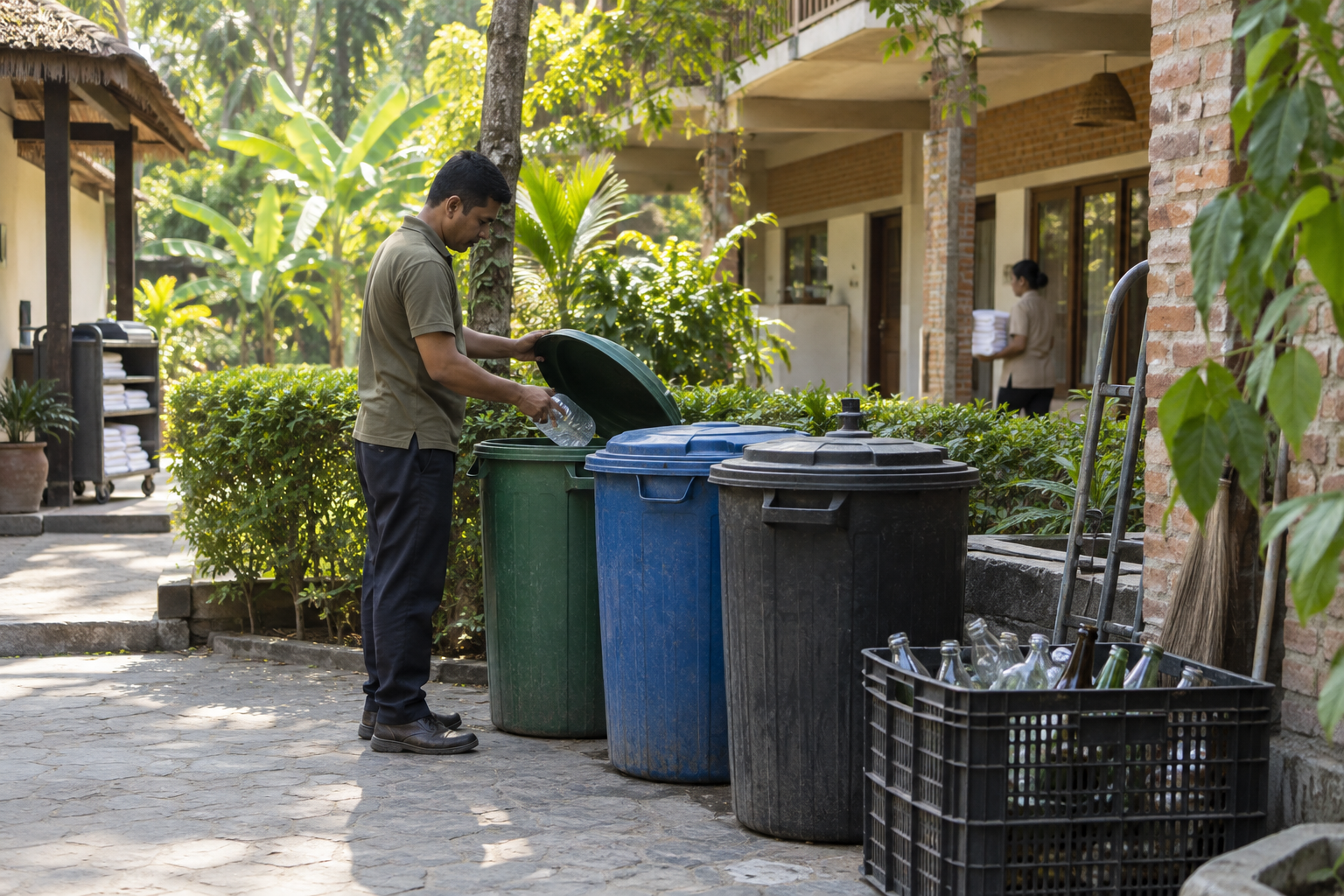
A clean hotel courtyard does not reveal what happens to its rubbish after collection. Following Sauraha’s tourism waste means asking who separates it, who carries it away, and whether its final destination can be verified.
Wildlife6 min read
Beyond the Animals: How Chitwan’s Sal Forest Renews Itself
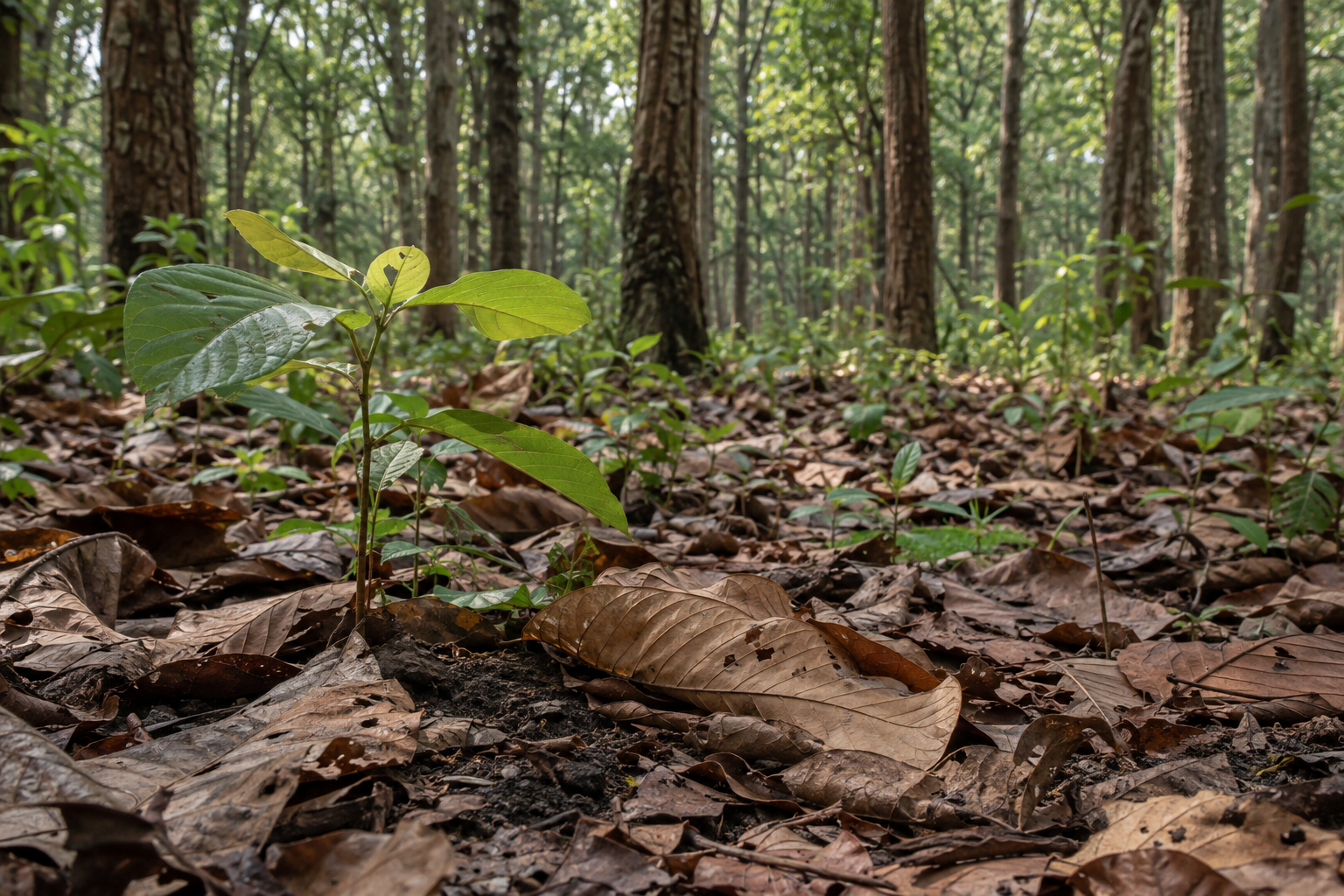
Beneath Chitwan’s sal trees, fallen leaves, fungi and seasonal rain help shape the next generation of forest. Following that process from leaf litter to young trees reveals why successful renewal depends on much more than a seed reaching the ground.
Wildlife7 min read
Behind Chitwan’s Wildlife Counts: How Camera-Trap Images Become Conservation Evidence
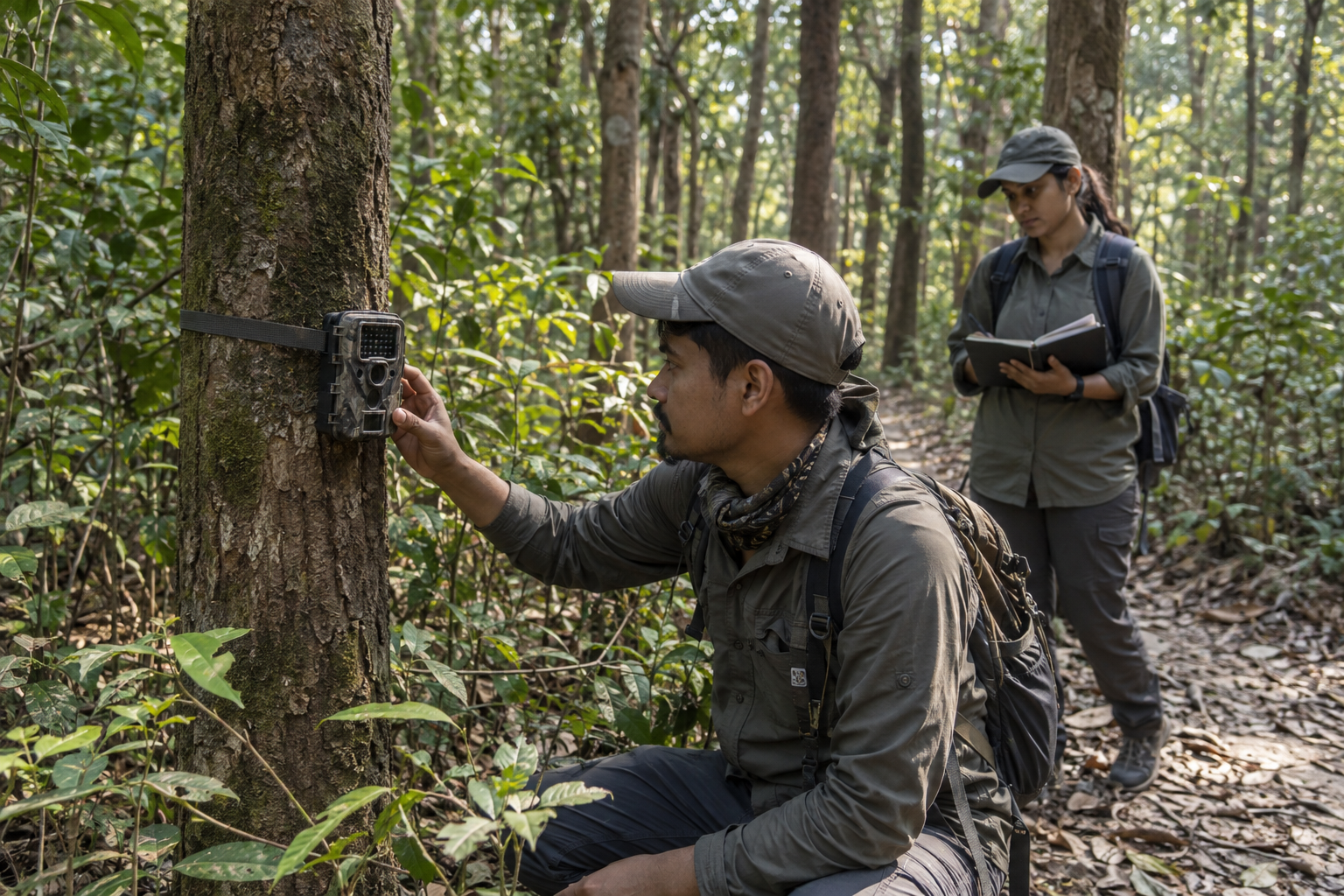
A camera-trap photograph is only the beginning of Chitwan wildlife monitoring, not a finished wildlife count. Follow the work from camera placement and image review to population estimates, overlooked animals and the sensitive information that should stay out of public view.
Wildlife6 min read
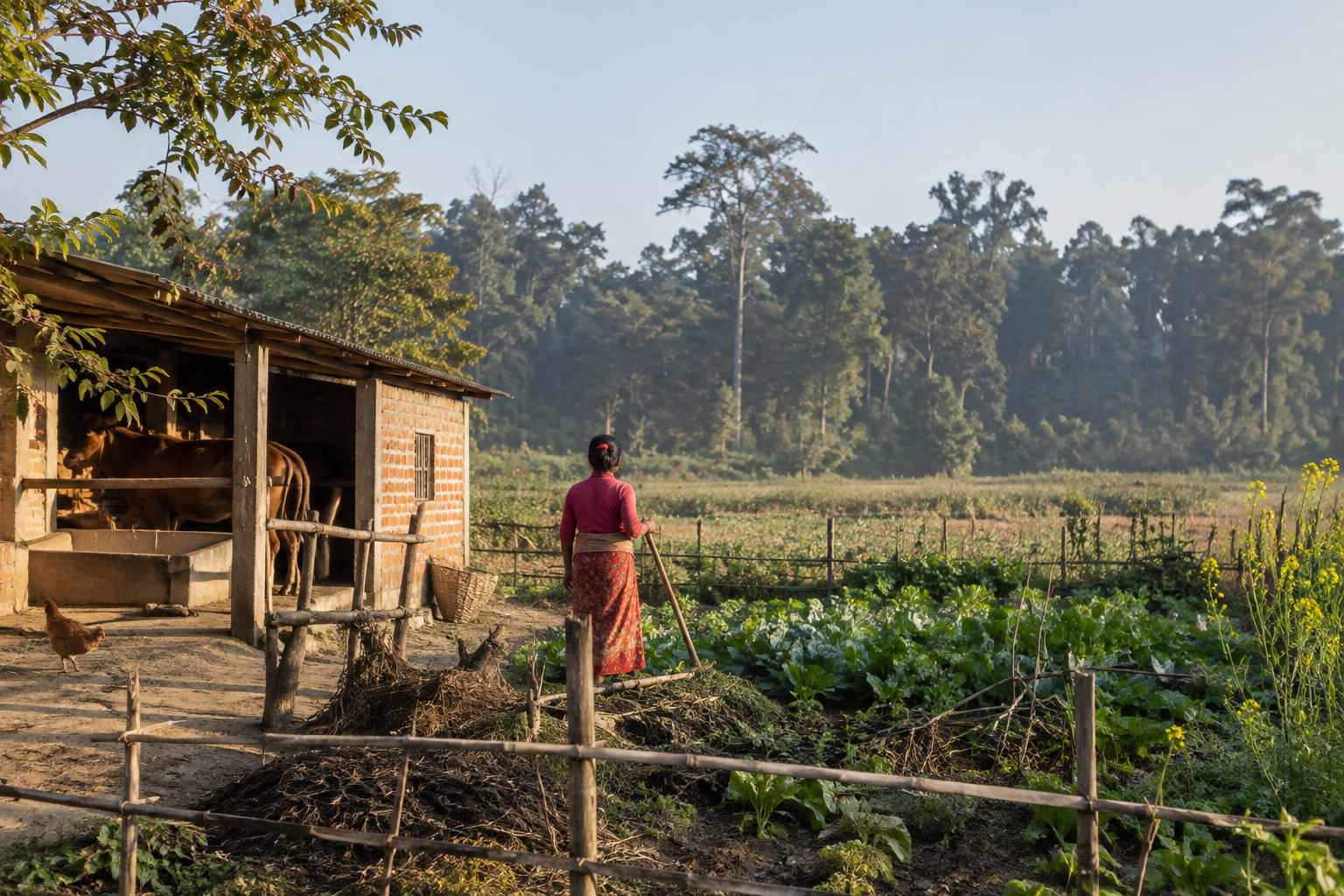
Living Beside Chitwan National Park: Who Bears the Cost of Wildlife Encounters?
For households beside Chitwan National Park, a wildlife encounter can mean lost crops, damaged livestock shelters and nights without proper sleep. Understanding who bears these costs requires looking beyond reported incidents to the work of protection and the practical barriers to getting assistance.